

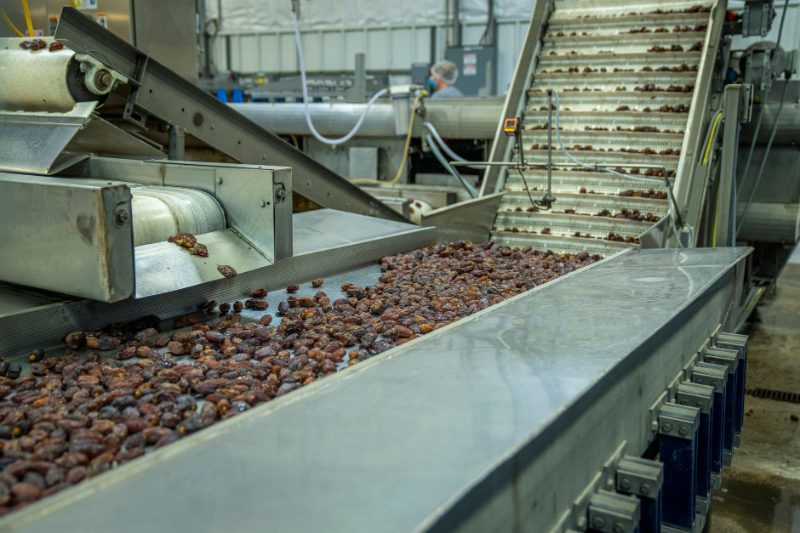
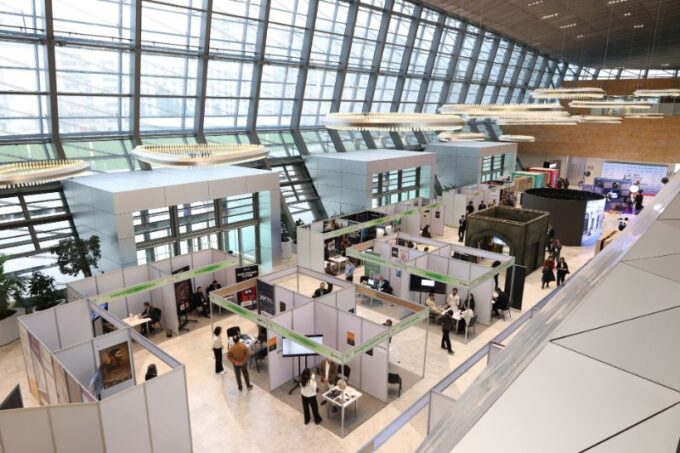
The Food & Drink Processing Expo 2026 opened its doors from July 1 to 3 at the CODISSIA Trade Fair Complex in Coimbatore, drawing equipment manufacturers, ingredient suppliers and cold chain specialists from across India and abroad. The three-day showcase has emerged as one of the sector’s most closely watched events this year, offering a live snapshot of how fast Indian food manufacturers are moving from manual, labour-intensive production lines toward automated, data-driven plants.
Automation Takes Centre Stage
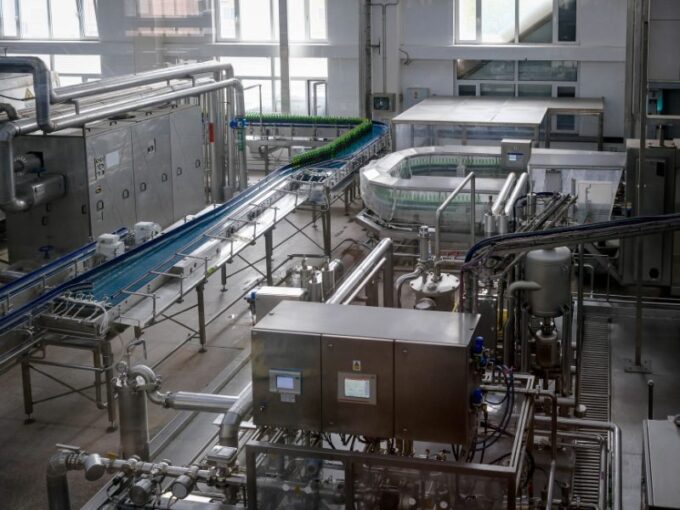
Exhibitors at the Coimbatore expo used the floor to unveil new lines of processing machinery aimed squarely at small and mid-sized manufacturers who have historically been priced out of automation. Coimbatore itself has long been a manufacturing hub for pumps, motors and industrial equipment, and organisers leaned on that regional strength to position the expo as a meeting point between Tamil Nadu’s engineering base and the food processing industry’s growing appetite for precision machinery. Robotics-assisted packing lines, modular pasteurisation units and compact dairy processing systems were among the categories drawing the heaviest foot traffic, according to exhibitors on site.
Cold chain technology was another major theme, reflecting a persistent pain point for Indian food processors: post-harvest losses that industry estimates have long pegged in the tens of billions of rupees annually. Several exhibitors showcased modular cold storage units designed for installation closer to farms and mandis, aiming to cut the distance perishable produce travels before it can be stabilised. That shift toward decentralised cold storage has been gaining traction as processors look to shorten supply chains and reduce spoilage, particularly for high-value categories like dairy, seafood and fresh produce.
A Platform for Regional Manufacturers
For many mid-sized food companies based in South India, the Coimbatore expo functions less as a launch pad for global announcements and more as a practical sourcing event, where plant managers and procurement heads can compare machinery from multiple vendors in a single visit. Organisers reported strong participation from dairy processors, bakery equipment makers and value-added snack manufacturers, segments that have all seen steady consumer demand growth over the past several quarters. The event also featured sessions on food safety compliance and packaging innovation, areas where Indian exporters continue to face scrutiny from international buyers holding processors to stringent certification standards.
Industry participants used the platform to discuss financing options for capital equipment purchases, an increasingly relevant conversation as interest rates and equipment costs weigh on smaller manufacturers’ expansion plans. Several equipment financing firms had a visible presence at the expo, offering leasing and instalment structures specifically tailored to food processing machinery, a sign that the ecosystem around capital access is maturing alongside the production technology itself.
What It Signals for the Broader Sector
Trade shows like the Coimbatore expo rarely generate headline-grabbing announcements on their own, but they offer a useful barometer of where the food processing industry’s investment appetite is heading. This year’s edition suggests manufacturers are prioritising automation and cold chain resilience over sheer capacity expansion, a maturing signal for a sector that has spent the past decade primarily focused on scaling volume. With India’s processed food exports having already crossed $7.88 billion in the last fiscal year and government incentive schemes continuing to channel capital into the space, events like this one are likely to keep growing in scale and relevance in the years ahead.
For now, the takeaway from Coimbatore is one of steady, unglamorous progress: smaller manufacturers investing in the machinery and cold chain infrastructure that larger players adopted years ago, gradually narrowing the productivity gap between India’s organised and unorganised food processing segments.









Leave a comment