

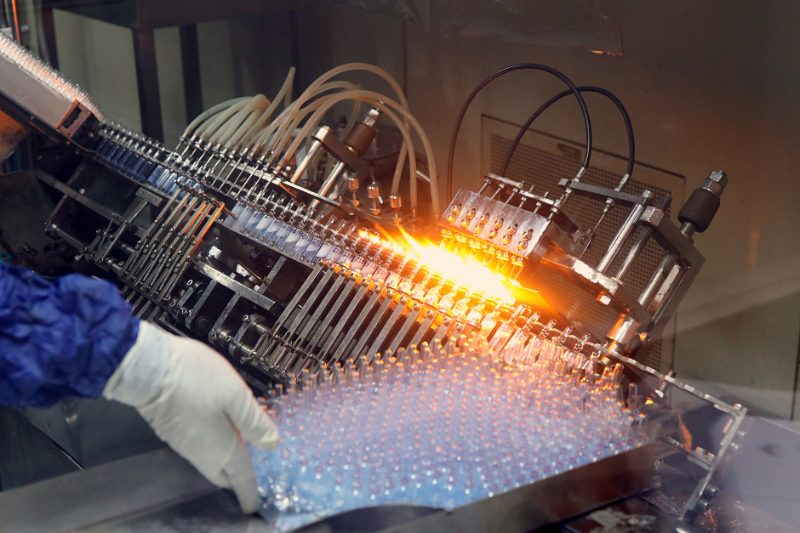
Washington’s 100 percent tariffs on patented pharmaceuticals and active pharmaceutical ingredients (APIs) are set to take effect this month for large pharmaceutical companies, with smaller manufacturers facing the same levy from September. The move represents one of the most aggressive uses of trade policy against the pharmaceutical sector in recent memory, and has triggered a wave of direct negotiations between major drugmakers and the US administration over potential carve-outs.
The Policy and Its Rationale
The tariffs, framed by the administration as a national security measure aimed at reducing US dependence on foreign-manufactured medicines and active ingredients, apply to patented drugs and the APIs used to produce them. Unlike broader tariff actions targeting steel, aluminium or electronics, this measure strikes directly at an industry with famously complex, globally distributed supply chains — many companies manufacture APIs in India, China or Europe before finishing and packaging drugs domestically or elsewhere.
Crucially, the policy allows pharmaceutical companies to negotiate pricing agreements and onshoring commitments in exchange for tariff relief, effectively turning the levy into a negotiating lever to accelerate domestic manufacturing investment. Several large drugmakers are reportedly in advanced discussions with the administration, offering commitments to build or expand US manufacturing capacity in return for exemptions or phased implementation.
Ripple Effects Across Global Pharma Supply Chains
For India, which supplies a substantial share of the world’s generic drugs and APIs, the tariffs carry mixed implications. Generic medicines are technically outside the immediate scope of the patented-drug tariff, but Indian API manufacturers supplying inputs for patented formulations sold in the US could still feel indirect pressure if global drugmakers restructure their sourcing to minimise tariff exposure. Indian pharmaceutical industry bodies have been monitoring the situation closely, wary that any broadening of the tariff’s scope could affect a sector that remains one of the country’s largest net exporters.
European and Japanese pharmaceutical majors, many of which have significant patented drug portfolios sold into the US market, are similarly exposed, and industry lobbying efforts in Washington have intensified in recent weeks. Analysts note that the tariffs, if fully implemented without broad exemptions, could add billions of dollars in costs across the industry — costs that companies will likely try to pass through to US healthcare payers and, ultimately, patients, unless offset by domestic manufacturing subsidies or pricing concessions.
Market Reaction and Outlook
Equity markets have reacted unevenly, with shares of companies further along in onshoring negotiations generally outperforming peers still exposed to the full tariff impact. Healthcare policy analysts caution that the ultimate effect on drug prices and availability in the US will depend heavily on how many companies secure exemptions and on what terms, making the coming weeks a critical window for the sector.
More broadly, the pharmaceutical tariff underscores a growing pattern in US trade policy: using targeted, sector-specific tariffs not merely to protect domestic industry, but as an explicit tool to reshape where critical goods are manufactured. For global pharmaceutical supply chains built over decades around efficiency and specialisation, adapting to this new reality will require significant capital investment and time — both of which remain in short supply as the July deadline approaches.









Leave a comment