


India’s tyre industry is intensifying pressure on the government over a widening natural rubber import duty India gap, with the Automotive Tyre Manufacturers Association (ATMA) formally requesting duty-free imports to close a supply shortfall projected to exceed 5 lakh tonnes this fiscal year. The demand comes as domestic natural rubber consumption is set to cross 13 lakh tonnes in FY27, far outstripping the Rubber Board’s own production estimate of roughly 7,90,000 tonnes.
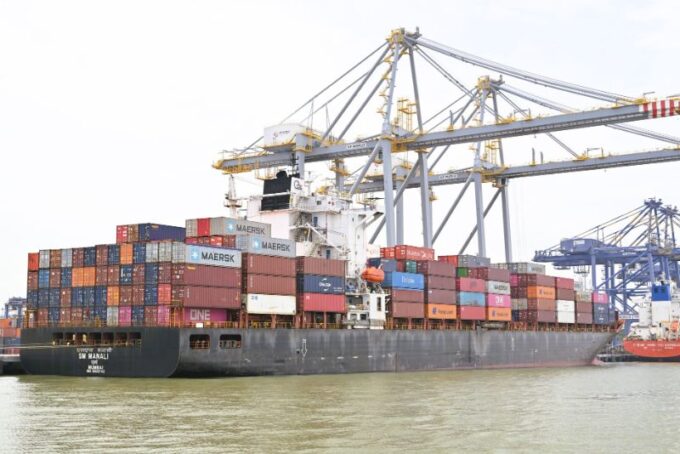
ATMA, which represents about 80% of India’s tyre manufacturing capacity and is headquartered in New Delhi, has told the Ministry of Commerce and Industry that current port restrictions — natural rubber imports are permitted through only two ports, Chennai and Jawaharlal Nehru Port Trust (JNPT) — are adding costs and delays at a moment when domestic supply already cannot keep pace with tyre production needs. The association is pushing for imports to be allowed duty-free up to the size of the projected demand-supply gap, arguing that existing tariffs on natural rubber make Indian tyre manufacturing less competitive against global peers who source rubber more cheaply.
Why Is ATMA Demanding Duty-Free Natural Rubber Imports Now?
The core issue is a structural mismatch: India’s tyre sector needs upward of 13 lakh tonnes of natural rubber annually, but domestic plantations, concentrated heavily around Kottayam in Kerala, are expected to produce only about 7,90,000 tonnes in FY27 per Rubber Board projections. That leaves a gap of over 5 lakh tonnes that must be met through imports — and under the current duty structure, those imports carry a cost premium that ATMA says squeezes tyre makers’ margins just as they’re trying to keep pace with rising commercial and passenger vehicle demand. ATMA has separately welcomed a temporary customs duty exemption the government granted on select raw materials, including synthetic rubber and certain resins, valid until June 30, 2026 — but that relief covers synthetic rubber, not natural rubber, leaving the core ask unresolved.
What Does This Mean for Tyre Prices and the Broader Supply Chain?
If the government grants ATMA’s request, the immediate effect would be cheaper, faster-flowing natural rubber for tyre manufacturers like MRF, CEAT, Apollo Tyres, JK Tyre and Balkrishna Industries, potentially easing the input-cost pressure that has weighed on the sector alongside crude oil volatility this year. If the request is denied or only partially granted, tyre makers may continue relying on a restrictive two-port import channel that adds logistics costs and lead time, keeping pressure on margins even as global natural rubber futures have eased to near two-month lows below 210 US cents per kilogram. Rubber growers in Kerala, meanwhile, have historically opposed duty-free imports, fearing that cheaper foreign rubber would depress domestic farmgate prices — setting up a familiar tension between plantation states and tyre manufacturing hubs that any policy change will have to navigate.
Market Reaction and Industry Response
ATMA’s public statements frame this as an urgent competitiveness issue rather than a routine policy ask, noting that insufficient natural rubber availability is directly affecting tyre production capacity in India. The Rubber Board, for its part, has leaned into supply-side initiatives rather than import liberalization, launching the Indian Sustainable Natural Rubber (iSNR) certification and the INR Konnect platform aimed at boosting domestic production and connecting growers with buyers more efficiently. Tyre industry commentary has also linked this rubber-supply debate to the broader raw-material cost story that drove tyre stocks up as much as 7% earlier this month on falling crude oil prices — reinforcing that both crude and natural rubber costs are now front-of-mind for investors and manufacturers alike.
What Happens Next?
The Ministry of Commerce and Industry is expected to weigh ATMA’s request alongside Rubber Board production data over the coming weeks, with any decision likely to factor in feedback from Kerala’s rubber grower associations, who have pushed back on similar proposals in the past. Watch for the outcome of the temporary synthetic rubber and resin duty exemption due to lapse around June 30, 2026, as its renewal or expansion could signal how the government intends to handle natural rubber duties too. Also worth tracking: Rubber Board production data releases through the July-August tapping season, and whether Bengaluru’s upcoming Rubber Week 2026 (July 29-31), which brings together industry leaders and policymakers, produces any fresh signals on import policy.
Frequently Asked Questions
Why is ATMA asking for duty-free natural rubber imports?
ATMA says India’s natural rubber demand will cross 13 lakh tonnes in FY27 while domestic production is projected at only about 7.9 lakh tonnes, leaving a gap of over 5 lakh tonnes that current import duties and port restrictions make expensive and slow to fill.
Which ports currently handle India’s natural rubber imports?
Natural rubber imports into India are currently restricted to just two ports, Chennai and Jawaharlal Nehru Port Trust (JNPT), which ATMA says adds unnecessary costs and delays for tyre manufacturers.
Has the government given any duty relief on rubber-related raw materials?
Yes, the government granted a temporary customs duty exemption on select raw materials such as synthetic rubber and certain resins, valid until June 30, 2026. However, this exemption does not cover natural rubber, which remains ATMA’s primary ask.
How would duty-free natural rubber imports affect Indian tyre makers?
Duty-free imports would lower raw material costs for companies like MRF, CEAT, Apollo Tyres and JK Tyre, potentially improving margins and production capacity, though Kerala’s rubber growers have historically opposed such moves over concerns about falling domestic farmgate prices.










Leave a comment