

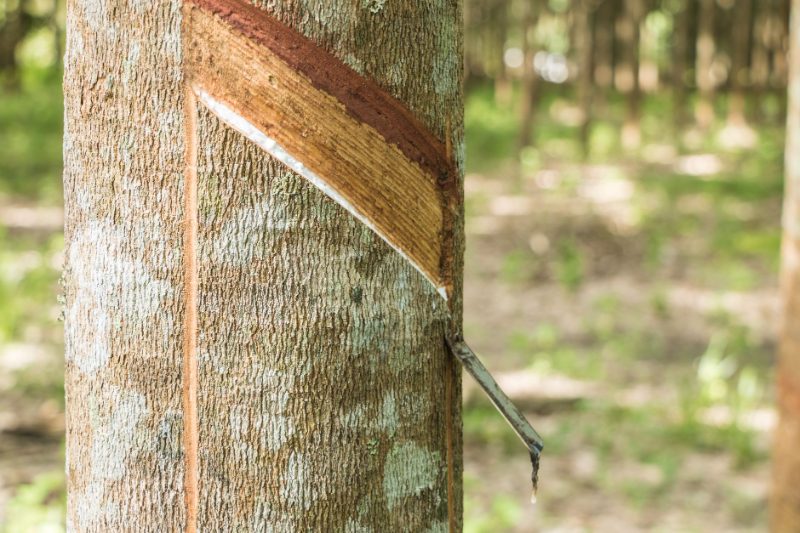
Natural rubber futures have slipped below 210 US cents per kilogram, touching their lowest level in nearly two months, as weakening Chinese auto demand collides with improving supply from Southeast Asia’s major producing nations. The price slide has direct implications for India’s tyre manufacturers and rubber goods producers, who import a significant share of their natural rubber requirements and remain highly sensitive to global benchmark price swings even as domestic production initiatives try to close the supply gap.
China’s Auto Slowdown Weighs on Demand
The immediate trigger for the price decline is a darkening outlook for Chinese vehicle demand, the single largest end market for natural rubber consumption globally through tyre manufacturing. BYD’s domestic sales fell 22% year-on-year in June, prompting the China Passenger Car Association to sharply revise its 2026 sales forecast to an 11% decline, a significant deterioration from the roughly 1% drop previously projected. Because tyres account for the overwhelming majority of natural rubber consumption worldwide, any material slowdown in vehicle sales and replacement tyre demand in China ripples quickly through global rubber pricing.
Supply Side Adds to the Pressure
Compounding the demand-side weakness, Indonesia and Vietnam are entering their seasonal production upswing, with favourable weather boosting latex yields and tapping activity across both countries following the winter dormancy period. As two of the world’s largest natural rubber producers ramp up output simultaneously with softening demand signals from China, the combination has pushed futures prices to their weakest levels since early May, leaving little near-term support for a price rebound.
What This Means for Indian Tyre Makers
For India’s tyre industry — the world’s third-largest consumer and second-largest producer of tyres, with annual consumption around 380 million units — softer global rubber prices offer a measure of input cost relief at a time when domestic manufacturers are simultaneously investing heavily in capacity expansion. MRF’s memorandum of understanding with the Tamil Nadu government to build a new greenfield plant in Sivaganga district, representing an investment of approximately ₹5,300 crore over 12 years, illustrates the scale of capital commitment major Indian tyre makers are making even as global rubber markets remain volatile. Lower input costs, if sustained, would help protect margins as these expansion projects come online.
India’s Push for Rubber Self-Sufficiency
The price volatility also reinforces the urgency behind India’s domestic rubber production initiatives. The Rubber Board has launched the Indian Sustainable Natural Rubber programme alongside the INR Konnect platform, a web-based system designed to connect growers of untapped rubber holdings with interested cultivators, targeting 20-25% of India’s neglected or underutilised rubber plantations. With India still reliant on imports to meet a meaningful share of domestic natural rubber demand, reducing that exposure to global price swings — in either direction — remains a strategic priority for both policymakers and tyre manufacturers.
Outlook
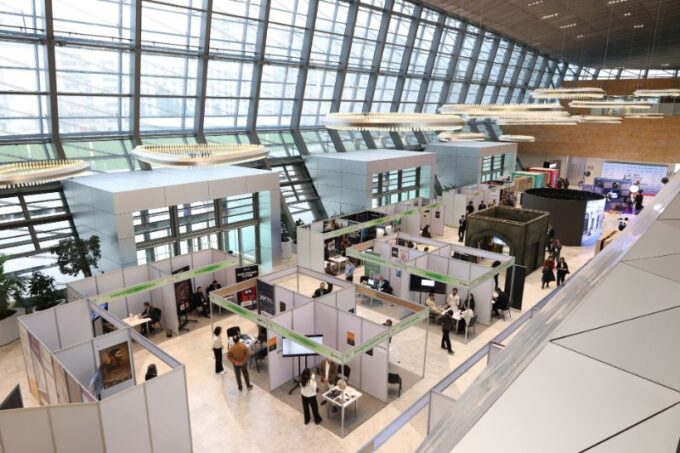
Market participants will be watching whether China’s auto sales weakness proves temporary or signals a more structural slowdown, given its outsized influence on global rubber demand. Meanwhile, the industry gathers later this month for TechnoBiz’s Rubber Week 2026 in Bengaluru, running July 29-31, where supply chain resilience and price volatility are expected to feature prominently in discussions among growers, processors and tyre manufacturers navigating an increasingly unpredictable global rubber market.









Leave a comment