

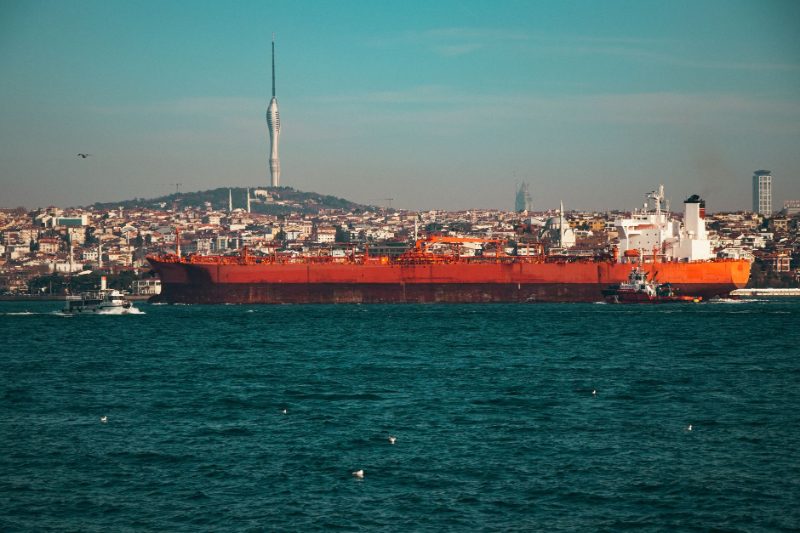
Tensions around the Strait of Hormuz have escalated again in 2026 following fresh missile exchanges between Israel and Iran, reigniting concerns over one of the world’s most critical energy trade chokepoints. The Strait of Hormuz tensions come after both sides carried out strikes before Iran signalled it would halt attacks, with Israel following suit in stating strikes would end “for now.”
The Strait of Hormuz carries roughly a fifth of global seaborne oil trade and remains central to energy security for India and much of Asia, which rely heavily on Gulf crude and LNG shipments passing through the corridor. Analysts describe the current standoff as structural rather than episodic, rooted in the broader realignment of Middle East geopolitics this year.
How Do Strait of Hormuz Tensions Affect Global Oil Trade?
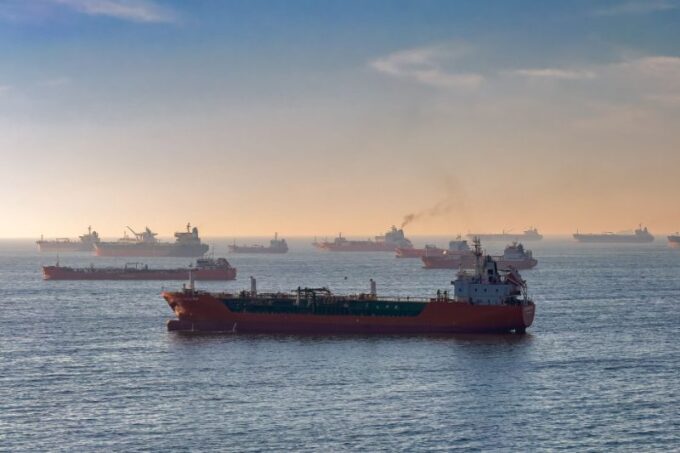
Any disruption or perceived risk to shipping through the Strait of Hormuz typically triggers a risk premium in crude oil prices, given the corridor’s role in transporting Gulf oil exports to Asia, Europe and beyond. Shipping insurers and tanker operators have historically responded to escalations with higher war-risk premiums and, in more severe cases, rerouting or reduced transit volumes, both of which raise landed energy costs for import-dependent economies including India.
What Do Geopolitical Analysts Say?
Analysts tracking the region describe 2026 as a “global power shift year,” with the Middle East standoff reflecting a broader polycentric realignment rather than a return to a simple two-bloc rivalry. Regional experts note that while both Israel and Iran have signalled a pause in direct strikes, the underlying structural drivers — Iran’s regional posture, Gulf security arrangements, and US involvement — remain unresolved, keeping the risk of renewed escalation elevated.
Market and Trade Reaction
Crude oil benchmarks have shown volatility tracking each escalation and de-escalation signal from the region, with energy-importing economies watching prices closely given their exposure to Gulf supply. Indian refiners and oil marketing companies, which source a significant share of crude through Hormuz-transiting routes, remain sensitive to any prolonged disruption, while shipping and insurance markets continue to price in elevated risk premiums for Gulf transits.
What Happens Next?
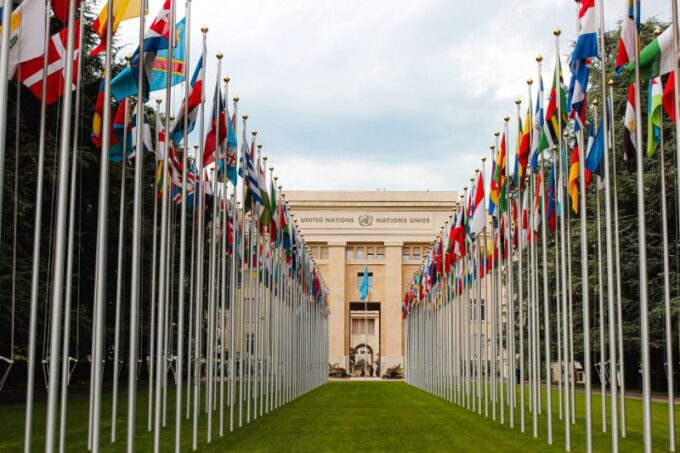
Diplomatic channels, including US-Iran talks referenced by international bodies this year, remain the primary avenue being watched for de-escalation. Energy markets and shipping operators are expected to continue monitoring the situation closely, with any renewed strikes likely to trigger fresh volatility in crude prices and freight rates.
Frequently Asked Questions
Why is the Strait of Hormuz important to global trade?
The Strait of Hormuz is a critical chokepoint for roughly a fifth of global seaborne oil trade, making any disruption there a direct risk to energy supply and pricing for import-dependent economies including India.
Have Israel and Iran stopped their strikes?
Both sides have signalled a pause, with Iran stating it would stop strikes before Israel said its attacks would end “for now,” though analysts caution the underlying tensions remain unresolved.
How could Strait of Hormuz tensions affect India?
India imports a significant share of its crude oil and LNG through Gulf routes transiting the Strait of Hormuz, so sustained tensions could raise energy import costs and pressure India’s trade balance.










Leave a comment