

The Delhi EV Policy 2026 is a sweeping zero-emission transport mandate that takes effect from July 1, 2026, and runs until March 31, 2030. The Delhi government notified the Delhi Electric Vehicle Policy 2026 offering 100% road tax and registration fee waivers on pure battery electric vehicles (BEVs) costing up to ₹30 lakh, along with direct purchase subsidies for two-wheelers and auto-rickshaws.
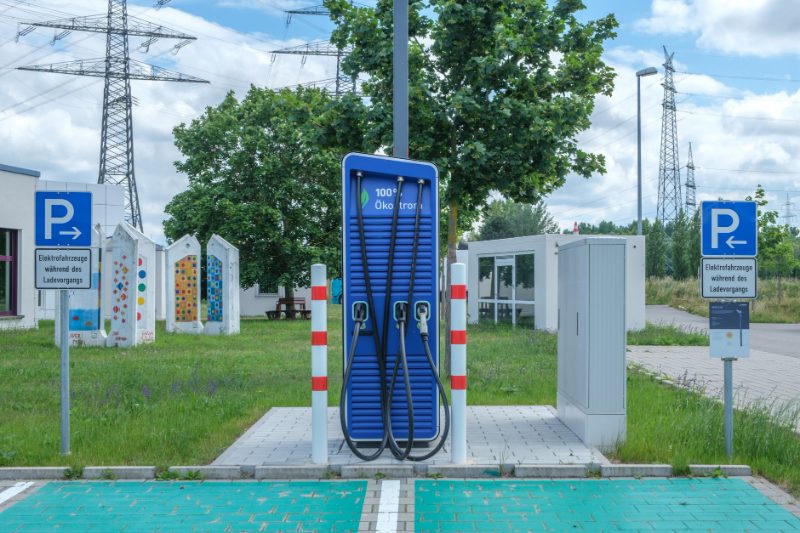
The policy was officially notified by the Delhi government on July 1, 2026, under the Transport Department of the Government of the National Capital Territory of Delhi. It allocates ₹15,000 crore over four years to expand electric mobility infrastructure, including over 30,000 EV charging points across the capital.
What Subsidies and Tax Benefits Does Delhi EV Policy 2026 Offer?
Under the Delhi EV Policy 2026, electric two-wheelers receive direct subsidies of ₹30,000 in Year 1, ₹20,000 in Year 2, and ₹10,000 in Year 3. Electric auto-rickshaws (L5 category) are eligible for subsidies of ₹50,000 in Year 1, ₹40,000 in Year 2, and ₹30,000 in Year 3. For passenger cars, a 100% lifetime road tax and registration fee waiver applies strictly to vehicles with an ex-showroom price of ₹30 lakh or below. Strong hybrid vehicles are explicitly excluded from all incentives — only pure BEVs qualify under the policy.
What Are the Mandatory EV Registration Deadlines for Delhi?
The Delhi EV Policy 2026 introduces phased registration bans on petrol and CNG vehicles. From January 1, 2027, only pure electric three-wheelers (L-5 passenger autos) and N1 category light goods carriers can receive fresh registrations in Delhi. From April 1, 2028, petrol and CNG-powered scooters and motorcycles will no longer be eligible for new registration — only pure electric two-wheelers will be permitted. These are binding regulatory mandates, not voluntary targets.
Market and Trade Reaction
The Delhi EV Policy 2026 is expected to accelerate EV demand significantly across the National Capital Region. Manufacturers including Ola Electric, TVS, Bajaj Auto, and Tata Motors are well-positioned to benefit from purchase subsidies and upcoming registration mandates. The ₹30 lakh price cap on tax exemptions covers approximately 85% of current electric passenger vehicle models sold in India. Analysts at CareEdge estimate the policy could catalyse over 2 lakh EV registrations annually in Delhi by FY28, up from approximately 70,000 in FY26.
What Happens Next?
The Delhi EV Policy 2026 is operational through March 31, 2030. The Transport Department will roll out the 30,000 charging point infrastructure plan in phases through 2027. Fleet operators and companies reliant on CNG auto-rickshaws must plan transitions before the January 2027 registration deadline. The next critical milestone is April 2028, when new petrol and CNG two-wheeler registrations will cease in Delhi, fundamentally reshaping the urban mobility market in the capital.
Frequently Asked Questions
Does the Delhi EV Policy 2026 include hybrid vehicles?
No. The Delhi EV Policy 2026 explicitly excludes strong hybrid vehicles from all subsidies, tax exemptions, and purchase incentives. Only pure battery electric vehicles (BEVs) are eligible under the policy framework.
What is the price cap for road tax exemption on electric cars in Delhi?
Under the Delhi EV Policy 2026, the 100% road tax and registration fee waiver for electric passenger cars applies only to vehicles with an ex-showroom price of ₹30 lakh or below. EVs priced above this threshold do not qualify for the exemption.
When will Delhi stop registering new petrol two-wheelers?
From April 1, 2028, the Delhi government will cease accepting registration applications for new petrol or CNG-powered scooters and motorcycles. Only pure electric two-wheelers will be permitted for fresh registration from that date under the Delhi EV Policy 2026.













Leave a comment