


The India-UK Free Trade Agreement (FTA) comes into force on July 15, 2026, marking one of the most significant bilateral trade milestones for both nations in decades. The India-UK free trade agreement will liberalise 99% of UK tariffs and 90% of Indian tariffs, boosting bilateral trade by an estimated £25.5 billion per year in the long run and raising both countries’ GDP by over £4.8 billion and £5.1 billion respectively.
Signed on July 24, 2025, the India-UK Comprehensive Economic and Trade Agreement (CETA) is the UK’s most economically significant bilateral trade deal since leaving the European Union and one of the most comprehensive agreements India has ever concluded. Commerce Minister Piyush Goyal has referred to it as the “Mother of All Deals,” reflecting its strategic scope across goods, services, investments, and mobility.
What Does the India-UK Free Trade Agreement Mean for Exporters?
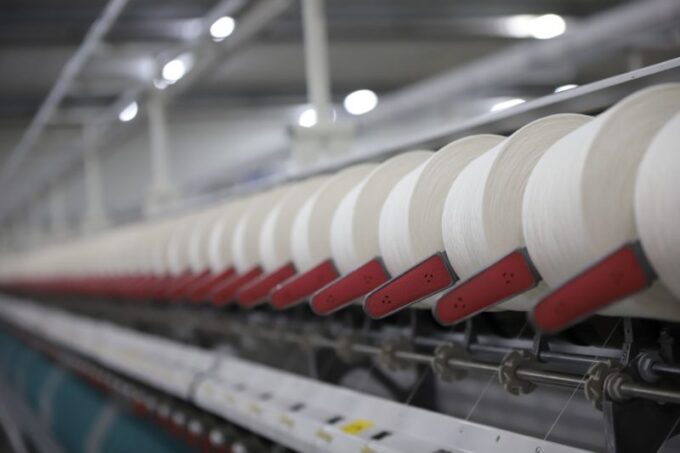
For Indian exporters, the India-UK FTA opens duty-free or preferential access to the UK market for a wide range of goods. Textiles and apparel, which previously faced UK tariffs of 9–12%, will now enter duty-free. Marine products, gems and jewellery, sports goods, toys, leather goods, and footwear are also key beneficiaries. Engineering goods, auto components, and organic chemicals gain significant tariff advantages. On the UK side, whisky tariffs in India fall from 150% to 40%, and automobile tariffs drop from 100% to 10% under a quota arrangement, opening a large and growing consumer market for British brands.
What Do Economists and Industry Bodies Say About the India-UK FTA?
The deal has been broadly welcomed by industry bodies on both sides. The Federation of Indian Export Organisations (FIEO) projects India’s exports to the UK could grow by $5–7 billion annually within three years. The UK’s Confederation of British Industry (CBI) called it a “transformative agreement” for British manufacturers and professional services firms. Economists note that the Double Contribution Convention on social security — also effective July 15 — eliminates dual social security contributions for Indian IT and services professionals on temporary UK assignments, extending their exemption period from 3 to 5 years, which could make UK assignments significantly more attractive for Indian skilled workers.
Market and Trade Reaction
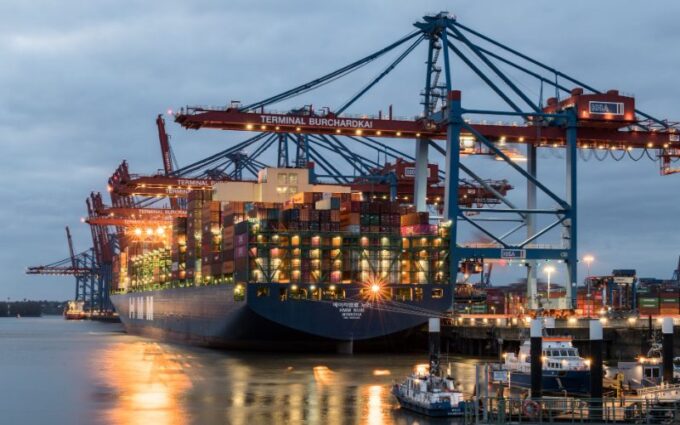
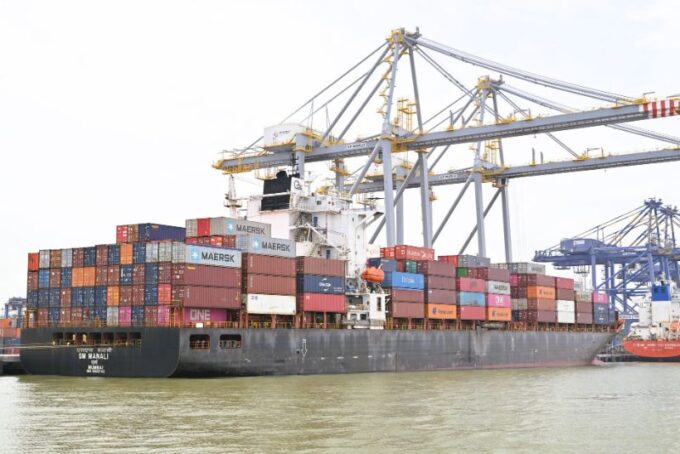
Indian textile and gems exporters have begun ramping up production and logistics ahead of July 15, anticipating a surge in UK-bound shipments. Sterling has remained steady following the FTA announcement, while Indian exporters in tariff-sensitive sectors have reported increased UK buyer interest over the past month. UK retail chains and supermarkets have begun sourcing discussions with Indian food and apparel suppliers. The deal is forecast to raise UK GDP by £4.8 billion and India’s GDP by £5.1 billion annually in the long run.
What Happens Next?
From July 15, 2026, exporters on both sides must present valid certificates of origin and product classifications compliant with the FTA’s rules of origin to claim preferential tariff rates. A review of the agreement’s implementation is planned after the first six months. Further tariff reductions are phased over 5–10 years, with some sensitive sectors such as dairy (India) and steel (UK) subject to safeguard provisions. India is also in parallel negotiations for FTAs with the EU and several Gulf states.
Frequently Asked Questions
When does the India-UK Free Trade Agreement come into force?
The India-UK Comprehensive Economic and Trade Agreement officially comes into force on July 15, 2026. It was signed on July 24, 2025, and India notified the customs tariff rules on July 3, 2026, giving businesses 12 days to prepare for operational implementation.
How much will India-UK bilateral trade increase under the FTA?
The India-UK FTA is projected to increase bilateral trade by £25.5 billion per year in the long run. It is expected to raise UK GDP by £4.8 billion and India’s GDP by £5.1 billion annually, making it one of the most economically impactful FTAs either country has concluded in recent years.
Which Indian sectors benefit most from the India-UK Free Trade Agreement?
Indian exporters in textiles, gems and jewellery, leather goods, footwear, marine products, engineering goods, auto components, and organic chemicals benefit most from duty-free or preferential access to the UK market under the India-UK FTA effective July 15, 2026.










Leave a comment