

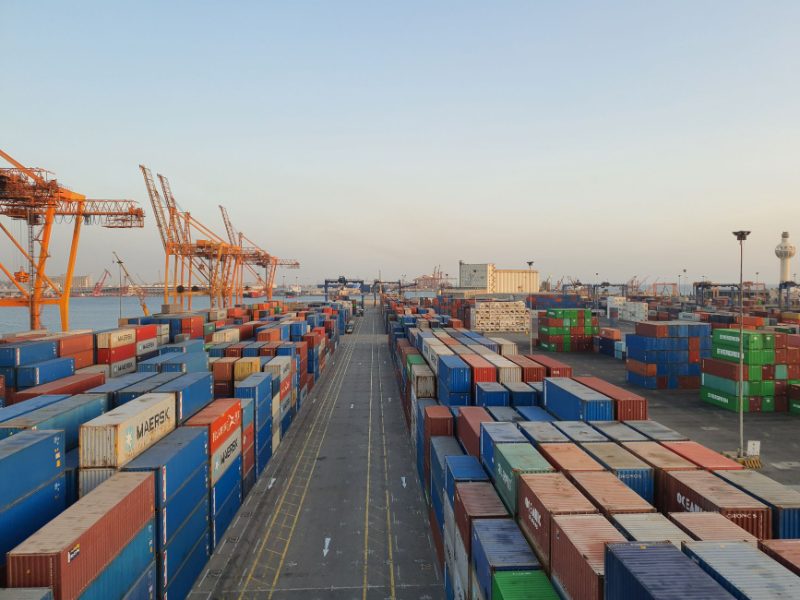
The India-UK Comprehensive Economic and Trade Agreement (CETA) enters into force on July 15, 2026, marking a landmark shift in bilateral trade between India and the United Kingdom. The India-UK CETA July 2026 will see the UK immediately eliminate duties on 99% of Indian tariff lines, with sectors including textiles, leather, marine products, engineering goods, and pharmaceuticals among the biggest beneficiaries.
The agreement was signed on February 10, 2026, and the Indian government notified the Customs Tariff Rules for the India-UK CETA in early July to clear the way for the July 15 implementation. The accompanying Double Contribution Convention (DCC) on social security takes effect alongside the CETA on July 15, 2026.
Which Indian Industries Benefit Most from India-UK CETA July 2026?
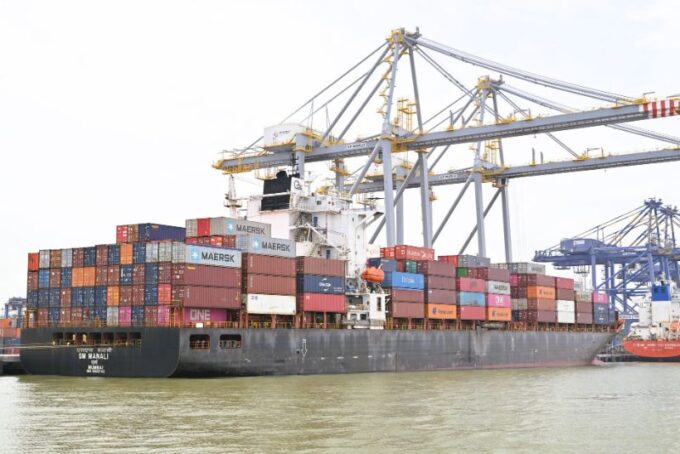
The India-UK CETA July 2026 eliminates UK duties across a wide range of Indian exports on Day 1. Key tariff reductions include: processed foods (duties up to 70% eliminated), marine products (21.5% eliminated), engineering goods and auto components (18% eliminated), leather and footwear (16% eliminated), textiles and clothing (12% eliminated), and chemicals and pharmaceuticals (8% eliminated). Labour-intensive sectors — textiles, leather, footwear, marine products, sports goods, toys, gems and jewellery — are set to gain the most from immediate duty-free access to the UK market, which is India’s 5th largest export destination.
How Does the Double Contribution Convention Help Indian Professionals in the UK?
The DCC, effective July 15, 2026, eliminates dual social security contribution requirements for Indian professionals on temporary assignments in the UK. Previously, Indian employees seconded to UK offices had to contribute to both the Indian EPF and the UK National Insurance system. The DCC now allows them to continue contributing solely in India for up to 5 years — extended from the earlier 3-year limit. The Indian government estimates over 75,000 Indian professionals employed by approximately 900 Indian companies operating in the UK will benefit, representing 90–95% of Indian professionals on intra-company transfers to the UK.
Market and Trade Reaction
India-UK bilateral merchandise trade stood at approximately $21 billion in FY26. The CETA is expected to boost UK GDP by £4.8 billion annually in the long term, according to UK government projections. For India, the deal is expected to increase merchandise exports to the UK by 25–30% over the next three years, according to Commerce Ministry estimates. Indian textile and garment exporters have expressed strong optimism, with the Confederation of Indian Textile Industry (CITI) projecting a 40% rise in textile shipments to the UK within two years of implementation. Currency markets saw the INR strengthen marginally against GBP following the official customs notification.
What Happens Next?
With the India-UK CETA entering force on July 15, 2026, exporters must register with the relevant customs authorities and obtain the required Certificate of Origin documentation to claim preferential tariff rates. The Indian government has set up a dedicated CETA helpdesk through the Directorate General of Foreign Trade (DGFT). A formal review of the agreement’s impact is scheduled for 2028. Businesses should also track the CPTPP expansion — Indonesia, the Philippines, and the UAE have launched accession negotiations — which could further reshape India’s trade opportunities in the Asia-Pacific region.
Frequently Asked Questions
When does the India-UK CETA come into effect?
The India-UK Comprehensive Economic and Trade Agreement (CETA) enters into force on July 15, 2026. The Customs Tariff Rules were notified by the Indian government in early July 2026 to enable the timely July 15 rollout.
What percentage of Indian tariff lines get duty-free access to the UK under CETA?
The UK will immediately eliminate duties on 99% of Indian tariff lines upon the CETA entering into force on July 15, 2026. This covers a broad range of goods including textiles, leather, marine products, engineering goods, chemicals, and pharmaceuticals.
Does the India-UK CETA include services trade?
Yes. The India-UK CETA covers services trade in addition to goods. The accompanying Double Contribution Convention (DCC) specifically addresses mobility of Indian professionals to the UK, eliminating dual social security contributions for up to 5 years for those on temporary assignments.










Leave a comment