

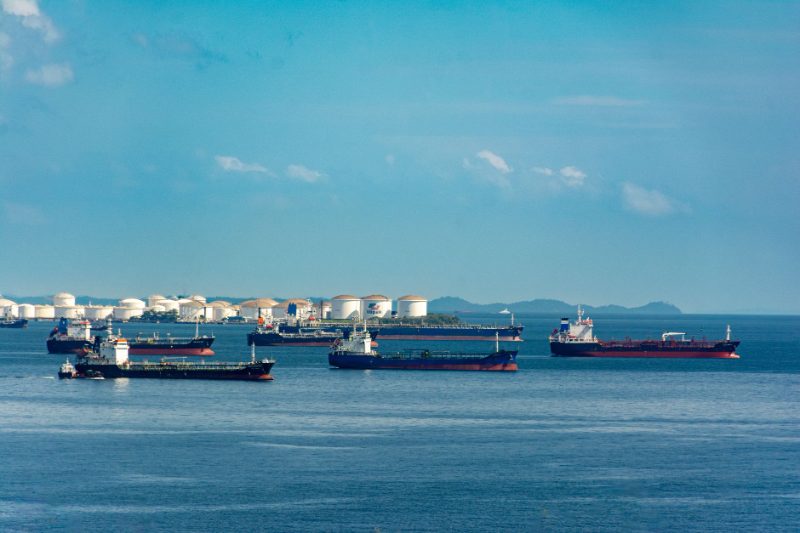
Geopolitical tensions in the Middle East are disrupting oil and LNG shipments through the Strait of Hormuz in 2026, triggering higher maritime insurance costs, rising freight rates, and significant supply chain risks for energy-importing nations. The Strait of Hormuz shipping disruption has reduced shipping volumes through one of the world’s most critical maritime chokepoints, with consequences rippling across global energy markets, trade finance, and industrial supply chains.
The Strait of Hormuz handles approximately 20% of the world’s oil trade and nearly a third of global LNG trade. Disruptions to this corridor have immediate knock-on effects on energy prices, marine insurance premiums, and the cost of goods dependent on oil and gas as inputs.
How Is the Strait of Hormuz Disruption Affecting Global Shipping Costs?
The security risk around the Strait of Hormuz has led to reduced shipping volumes, rising insurance costs, and higher risk premiums pushing up maritime freight rates for oil tankers and LNG carriers. War risk insurance premiums for tankers transiting the region have risen by an estimated 200-300 basis points since early 2026. Shipping companies have responded by rerouting vessels around the Cape of Good Hope, adding 10-14 days to voyage times and significantly increasing fuel and operating costs. Asia-Europe container spot rates rose over 40% in the first half of 2026, reflecting cumulative Red Sea and Hormuz disruption impacts.
What Do Economists and Energy Analysts Say About the Hormuz Crisis?
UNCTAD’s Trade and Development Foresights 2026 report identifies Middle East geopolitical tensions as having replaced trade policy as the primary source of global economic instability. The IMF has revised its 2026 oil price forecast upward by $8-12 per barrel to account for Hormuz risk premia. Goldman Sachs analysts have warned that a full closure of the Strait of Hormuz — even temporary — could push Brent crude above $150 per barrel and trigger a global recession. India, which sources approximately 60% of its crude oil from the Gulf region, has been actively diversifying imports toward Russian, African, and American suppliers to reduce Hormuz exposure.
Market and Trade Reaction
Global energy markets have priced in a sustained Hormuz risk premium, with Brent crude trading approximately 15% above pre-disruption levels. LNG spot prices in Asia have risen sharply, with Japan, South Korea, and India’s state energy companies securing long-term contracts to reduce exposure to spot market volatility. Shipping stocks including Frontline, Nordic American Tankers, and Teekay have seen elevated investor interest as tanker day rates surge. Manufacturing sectors in energy-intensive industries — including chemicals, steel, and fertilisers — have begun factoring higher energy costs into their pricing and production plans for the second half of 2026.
What Happens Next?
The trajectory of the Strait of Hormuz disruption depends largely on diplomatic developments in the broader Middle East geopolitical situation. Energy agencies including the IEA have called on OPEC+ members to increase production to offset supply disruptions. The US Navy has increased its presence in the region to protect commercial shipping, while several European nations have joined a maritime security coalition. Analysts expect freight rate volatility to persist through Q3 2026, with stabilisation contingent on de-escalation. India is accelerating its strategic petroleum reserve expansion and domestic refinery capacity additions to reduce dependence on Hormuz-routed imports.
Frequently Asked Questions
Why is the Strait of Hormuz so important to global trade?
The Strait of Hormuz is a narrow waterway between Oman and Iran that handles approximately 20% of the world’s oil trade and nearly one-third of global LNG trade. It is one of the world’s most critical maritime chokepoints — any disruption to shipping through the Strait immediately affects global energy prices, freight rates, and industrial supply chains worldwide.
How much have maritime freight rates risen due to the Strait of Hormuz disruption?
War risk insurance premiums for tankers transiting the Strait of Hormuz have risen by an estimated 200-300 basis points since early 2026. Asia-Europe container spot rates have increased over 40% in the first half of 2026, as shipping companies reroute vessels around the Cape of Good Hope, adding 10-14 days and significant additional costs to voyages.
How is India responding to the Strait of Hormuz shipping disruption?
India, which sources approximately 60% of its crude oil from Gulf suppliers routed through the Strait of Hormuz, has actively diversified its import sources toward Russian, African, and American crude to reduce exposure. India is also accelerating its strategic petroleum reserve expansion and domestic refinery capacity additions to improve energy security against future Hormuz disruptions.












Leave a comment