

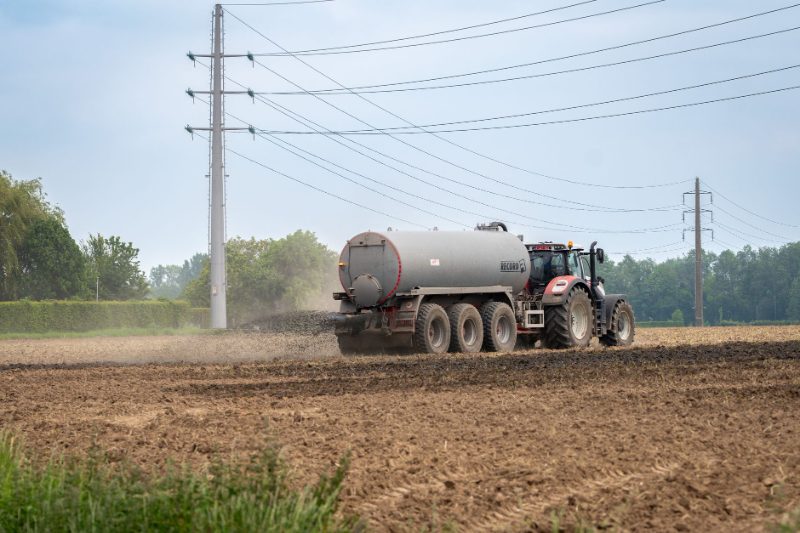
The Union Cabinet approved the National Investment Policy for Urea (NIPU 2026) on July 15, 2026, clearing the way for nine new gas-based urea plants with a combined production capacity of 10 million tonnes. The policy is designed to make India self-reliant in the country’s most widely consumed fertiliser and cut a persistent import bill.
NIPU 2026 was cleared by the Cabinet Committee on Economic Affairs (CCEA) under Prime Minister Narendra Modi, alongside Semicon Mission 2.0, at the same July 15 meeting. The Department of Fertilizers will administer the policy, which offers investment incentives to public and private players setting up gas-based urea capacity, replacing India’s reliance on naphtha and imported urea cargoes.
How Will NIPU 2026 Affect Fertiliser Supply and Farmers?
The nine planned plants, adding 10 million tonnes of annual capacity, are expected to close the gap between India’s roughly 35-million-tonne urea demand and current domestic output, which has historically required imports of several million tonnes a year. For farmers, the policy aims to stabilise subsidised urea availability during peak sowing seasons and reduce the government’s fertiliser subsidy exposure to volatile global gas and urea prices.
What Do Industry Bodies and Economists Say?
Fertiliser industry associations have welcomed the policy’s gas-based design, noting that assured natural gas allocation and pricing support are critical for the economics of new urea capacity. Economists tracking India’s subsidy bill point out that reducing import dependence directly lowers foreign exchange outflows, particularly relevant given elevated global energy prices tied to ongoing Middle East supply disruptions.
Market and Trade Reaction
Listed fertiliser manufacturers and gas distribution companies drew investor attention following the Cabinet clearance, given the multi-year capital expenditure cycle the policy is expected to trigger. The move also reduces India’s exposure to global urea trade flows at a time when energy and fertiliser costs have been pushed higher by the Strait of Hormuz crisis.
What Happens Next?
The Department of Fertilizers is expected to invite investment proposals and finalise gas allocation terms for the nine plants in the coming months. Analysts will watch which states host the new capacity, how quickly gas supply agreements are signed, and whether construction timelines allow India to meaningfully cut urea imports within this decade.
Frequently Asked Questions
What is NIPU 2026?
NIPU 2026, or the National Investment Policy for Urea, is a Cabinet-approved policy to set up nine new gas-based urea plants with 10 million tonnes of combined capacity, aimed at making India self-reliant in urea production.
When was NIPU 2026 approved?
The Cabinet Committee on Economic Affairs approved NIPU 2026 on July 15, 2026.
Why is India investing in gas-based urea plants?
Gas-based plants are more cost-efficient and lower-emission than naphtha-based production, and the investment is intended to cut India’s dependence on imported urea and reduce the government’s fertiliser subsidy burden.











Leave a comment