

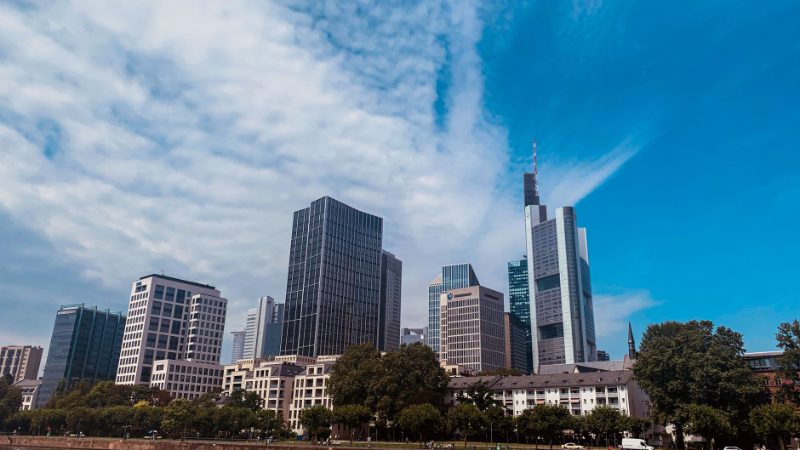
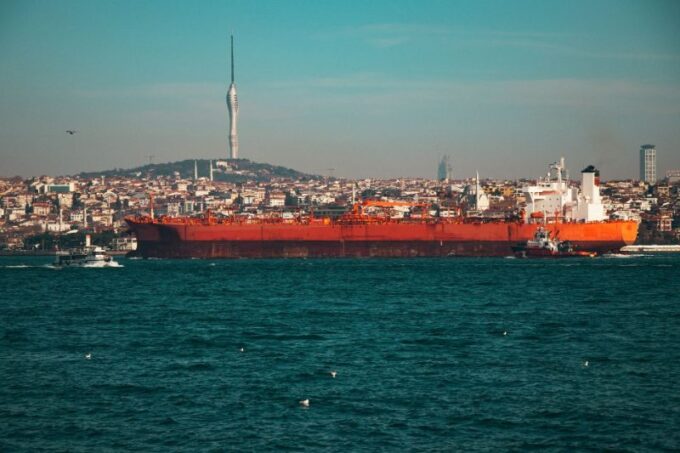
Global markets rallied on July 16, 2026 after softer-than-expected US June inflation data soothed investor nerves, with the Dow closing at 40,211.72 and the S&P 500 and Nasdaq both up roughly 0.3%. The relief rally came even as Brent crude climbed near $85 a barrel on renewed Strait of Hormuz tensions, underscoring how geopolitics and monetary policy are pulling markets in opposite directions.
President Trump signalled a possible “goodwill” opening toward Iran even as the US carried out a fresh wave of strikes on Bandar Abbas, leaving markets uncertain whether de-escalation or further conflict is more likely. The mixed signals came alongside a sharp, chip-led selloff across Asia, with Japan’s Nikkei and South Korea’s Kospi both opening sharply weaker as memory and equipment makers led declines in Tokyo.
How Are Central Banks Responding to the Current Volatility?
The Bank of Korea delivered a 25 basis point hike on July 16, lifting its base rate to 2.75%, a move aimed at shoring up a depreciating won and containing inflation expectations amid the global energy price shock. In Latin America, Brazil’s central bank is expected to hold its Selic rate at a restrictive 14.25%, balancing support for oil-exporting revenue gains against inflation risks from the same Hormuz-driven price pressure.
What Do Analysts Say?
Bloomberg’s geopolitical economy coverage highlights that softer US CPI data is providing a cushion for equity markets even as energy markets remain on edge, creating a bifurcated global picture: rate-sensitive assets rallying on disinflation hopes while commodity and shipping-exposed sectors price in continued Hormuz risk. Analysts describe the current setup as a “mixed blessing” for oil-exporting Latin American economies, which gain from higher crude prices but face imported inflation pressure.
Market and Trade Reaction
Asian equity markets bore the brunt of Wednesday’s volatility, with chip-sector weakness in Tokyo and Seoul contrasting with Wall Street’s gains. Currency markets also moved, with the Korean won under pressure despite the Bank of Korea’s rate hike, while broader emerging-market currencies remained sensitive to further Hormuz-related oil price swings.
What Happens Next?
Markets will watch closely for any diplomatic developments between the US and Iran following Trump’s “goodwill” remarks, alongside further central bank responses to elevated energy prices. Upcoming US economic data and any escalation or de-escalation in the Strait of Hormuz will remain the key swing factors for global equity and currency markets in the days ahead.
Frequently Asked Questions
Why did global markets rally on July 16, 2026?
Markets rallied after softer-than-expected US June inflation data, with the Dow closing at 40,211.72 and the S&P 500 and Nasdaq both gaining about 0.3%.
Why did Asian markets sell off the same day?
A chip-led selloff hit Japan’s Nikkei and South Korea’s Kospi, driven by weakness in memory and equipment makers alongside broader risk-off sentiment from Strait of Hormuz tensions.
What action did the Bank of Korea take?
The Bank of Korea raised its base rate by 25 basis points to 2.75% on July 16, 2026, to support a depreciating won and manage inflation expectations.









Leave a comment