

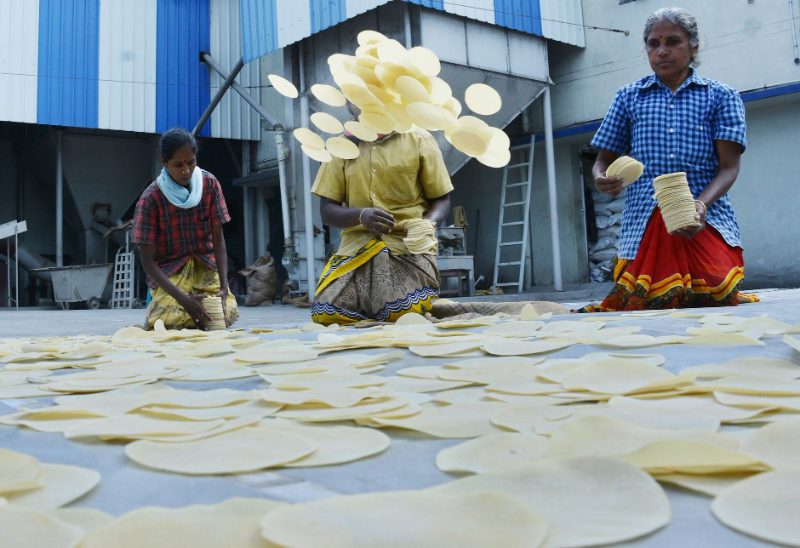
India’s food processing sector is on track to become a $600 billion industry by 2030, according to a new FICCI-Deloitte report released on July 16, 2026. The report says the food processing sector India is shifting from a supply-led, volume-driven model to a consumer-centric, value-focused growth engine.
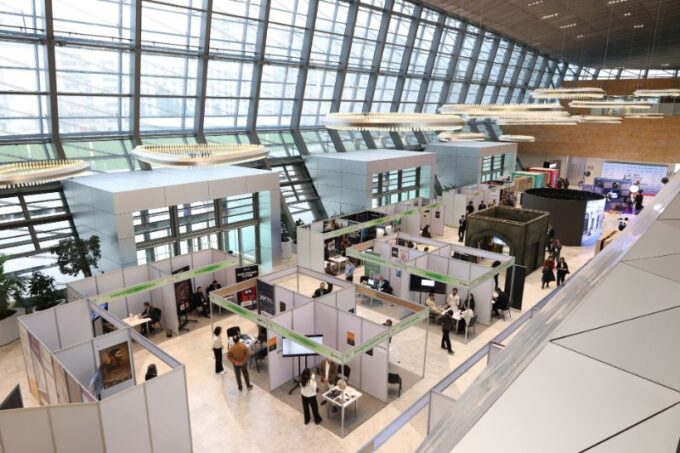
The report was launched at the 17th edition of FOODWORLD India, FICCI’s flagship food processing convention, held at Hotel Shangri-La Eros in New Delhi. Andhra Pradesh Industries, Commerce and Food Processing Minister T.G. Bharath used the platform to announce the state’s own targets: Rs 30,000 crore in investment and more than 3 lakh new jobs by 2029. Food Processing Industries Secretary Avinash Joshi said the central government is working to build a unified “Bharat” brand to promote Indian processed foods and cuisine in overseas markets.
Why Is India’s Food Processing Sector Targeting $600 Billion by 2030?
The growth case rests on rising incomes, rapid urbanisation and a consumer base that increasingly wants healthier, convenient and premium food products. The FICCI-Deloitte report projects the processed food market will reach USD 560-580 billion by 2030, with health and functional food categories growing 15-20% annually, nearly double the pace of the broader food market. Online grocery and quick commerce channels are also reshaping how Indian consumers buy processed food, pushing brands to rethink packaging, shelf life and last-mile logistics.
What Does This Mean for the Broader Food Processing Industry?
A $600 billion food processing sector India target implies large downstream demand for packaging, cold chain, logistics and ingredient suppliers. Andhra Pradesh’s Rs 30,000 crore investment push signals that states are competing aggressively for food processing capacity, which typically brings ancillary investment in warehousing and agri-infrastructure. The report’s emphasis on AI, precision agriculture, predictive demand forecasting and digital supply chains suggests processors will need to upgrade technology stacks to stay competitive, raising the bar for smaller regional players.
Market Reaction and Industry Response
Industry body FICCI positioned the report as evidence that India’s food processing sector is entering a “value-led growth phase,” a shift it says will help exporters and premium domestic brands capture more margin than pure commodity processing. State governments, led by Andhra Pradesh’s announcement at the same event, are already responding with fresh investment pledges tied to job creation targets. Trade watchers say the emphasis on a national “Bharat” food brand mirrors moves in other export-oriented sectors to build country-level recognition abroad.
What Happens Next?
Watch for state-level policy announcements over the coming months as more states unveil food processing investment packages similar to Andhra Pradesh’s. The Ministry of Food Processing Industries is expected to detail its “Bharat” branding initiative, while companies in health and functional foods — the fastest-growing sub-segment — are likely to announce capacity expansions to capture the 15-20% annual growth the report highlights.
Frequently Asked Questions
How big could India’s food processing sector become by 2030?
The FICCI-Deloitte report projects the food processing sector India could reach $600 billion by 2030, with the processed food market alone expected to hit USD 560-580 billion.
What is driving growth in India’s food processing industry?
Growth is being driven by rising incomes, urbanisation, demand for healthier and premium products, and the expansion of online and quick commerce grocery channels.
Which Indian state announced new food processing investment targets?
Andhra Pradesh announced plans to attract Rs 30,000 crore in investment and create over 3 lakh jobs in food processing by 2029.









Leave a comment