

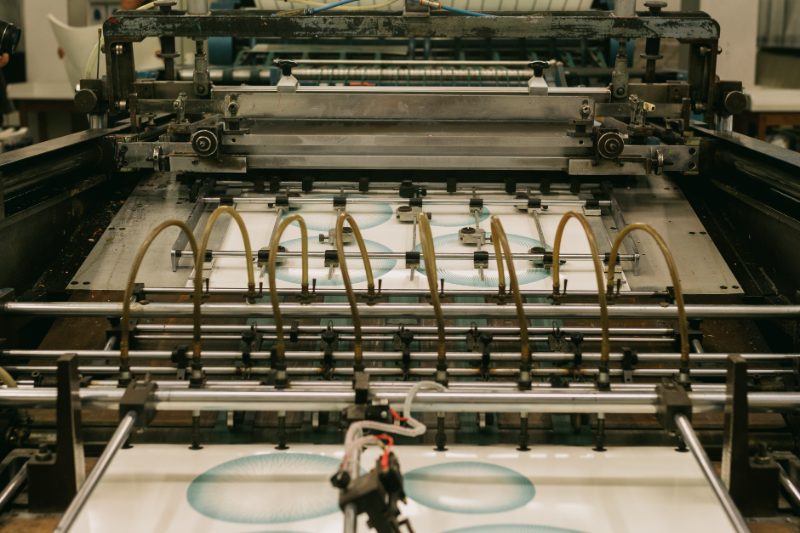
JK Paper Ltd began commercial production at its new Bleached Chemi-Thermo Mechanical Pulp (BCTMP) plant on June 30, 2026, adding fresh pulping capacity as Indian paper majors invest to meet rising packaging-grade demand. The JK Paper BCTMP plant is part of a wider capacity build-out sweeping the country’s paper industry through 2026.
The commissioning comes as rival Seshasayee Paper and Boards separately confirmed plans to raise capacity from 2.55 lakh tonnes to 4 lakh tonnes, backed by an investment of Rs 750-800 crore over the next two years, while smaller players such as Sardhana Paper Mill in Meerut have already expanded to 400 tonnes per day with a new 250 TPD kraft paper machine.
Why Are Paper Companies Investing in New Capacity Now?
India’s paper industry is undergoing a structural shift from writing and printing grades toward packaging-dominated demand, with packaging paper and paperboard the strongest-growing segment in 2026, posting high single-digit to low double-digit growth that far outpaces traditional paper categories. BCTMP pulp, which JK Paper’s new plant produces, is commonly used to make higher-strength packaging and specialty paper grades, positioning the company to capture this packaging-led demand shift rather than compete in the structurally declining writing and printing segment.
What Does This Mean for the Broader Paper Industry?
The near-simultaneous capacity moves by JK Paper, Seshasayee Paper and Sardhana Paper Mill point to an industry betting on continued packaging paper demand even as overall sector profitability stays under pressure. India’s paper industry is estimated at Rs 90,000-95,000 crore in 2026, with demand growth expected at 5-7% for the fiscal year, but high raw material costs, dependence on imported pulp and wastepaper, and energy intensity continue to constrain margins across the sector, meaning new capacity additions carry real execution risk if demand growth undershoots expectations.
Market Reaction and Industry Response
Industry watchers have flagged mixed results across paper majors in recent quarters, with some companies returning to profitability while others reported sharp profit declines, underscoring how capacity expansion decisions are being made against a backdrop of uneven earnings. Seshasayee Paper’s two-year, Rs 750-800 crore investment plan signals confidence that packaging-grade demand will absorb the additional capacity, even as the company navigates near-term cost pressures.
What Happens Next?
JK Paper’s BCTMP plant is expected to ramp up production through the rest of FY27, and investors will watch its next quarterly results for early signs of how the new pulping capacity affects margins. Seshasayee Paper’s capacity expansion to 4 lakh tonnes is expected to play out over the next two years, with progress updates likely at subsequent board meetings and investor calls.
Frequently Asked Questions
What is a BCTMP plant and why did JK Paper build one?
BCTMP stands for Bleached Chemi-Thermo Mechanical Pulp, a pulping process used to make stronger packaging and specialty paper grades. JK Paper commissioned its new BCTMP plant on June 30, 2026, to capture growing demand for packaging-grade paper.
How much capacity is Seshasayee Paper adding?
Seshasayee Paper and Boards plans to raise capacity from 2.55 lakh tonnes to 4 lakh tonnes over the next two years, backed by an investment of Rs 750-800 crore.
Why is India’s paper industry shifting toward packaging grades?
Packaging paper and paperboard are the fastest-growing segment in 2026 as e-commerce and FMCG packaging demand rises, while traditional writing and printing paper faces structural decline from digital substitution.











Leave a comment