

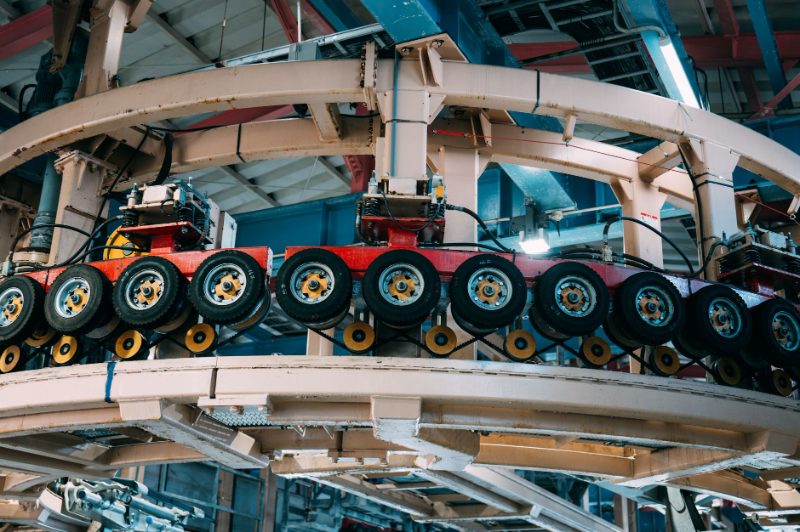
CEAT Limited reported a sharp 96.4% year-on-year drop in Q1 FY27 consolidated net profit to ₹4 crore, down from ₹112 crore a year earlier, even as revenue grew a robust 22.3% to ₹4,318 crore. The tyre maker’s stock tumbled 9.4% after the results, as investors focused on the profit collapse rather than the strong topline growth.
CEAT presented its Q1 FY27 results on July 17, 2026, attributing the profit decline mainly to a forex loss and rising raw material costs. Shares fell to an intraday low of ₹3,471 on the National Stock Exchange the day after results were announced, dragging down the broader tyre pack, with JK Tyre shedding 4% and Apollo Tyres, TVS Srichakra, Balkrishna Industries, and MRF slipping around 1% each.
Why Did CEAT’s Profit Crash Despite Strong Revenue Growth?
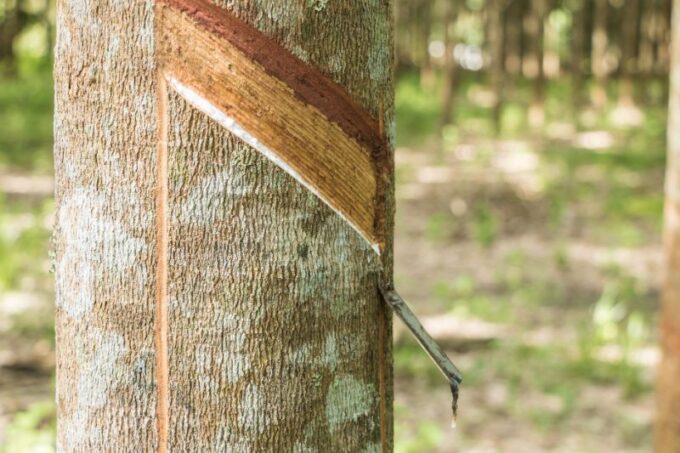
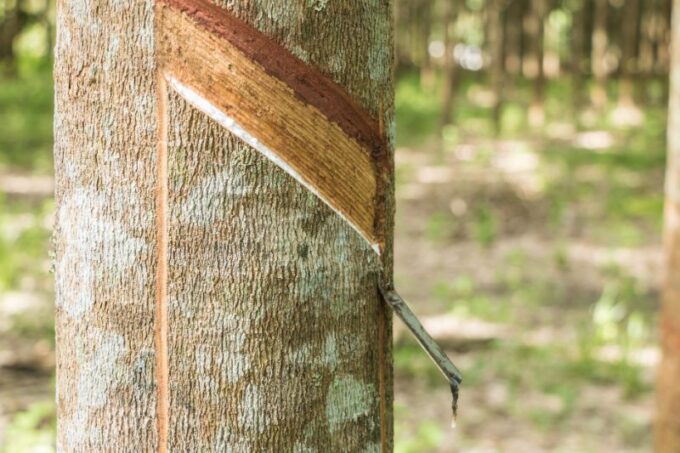
CEAT’s revenue grew 22.3% year-on-year and 2.4% sequentially, but a significant forex loss combined with rising input costs wiped out nearly all of the operating gains at the net profit level. Management flagged that raw material costs, largely tied to natural and synthetic rubber along with crude-linked inputs, are expected to rise a further 8-10% in Q2 FY27 compared with Q1 levels, signalling continued margin pressure ahead.
What Does This Mean for India’s Tyre and Rubber Industry?
CEAT’s results illustrate a broader margin squeeze across India’s tyre sector, where strong replacement and export demand is being offset by volatile rubber and currency costs. The company’s recognition as the 4th strongest tyre brand globally by Brand Finance 2026 shows brand equity remains solid even as profitability lags, suggesting the sector’s near-term challenge is cost management rather than demand generation.
Market Reaction and Industry Response
CEAT shares fell 9.4% intraday the day after results, and the selloff spread across the tyre pack, with JK Tyre down 4% and Apollo Tyres, MRF, TVS Srichakra, and Balkrishna Industries all declining. Analysts have flagged that the market is now pricing in a tougher Q2 FY27 for the sector given management’s own guidance on further raw material cost increases of 8-10%.
What Happens Next?
Investors will watch whether CEAT and peers can pass on higher raw material costs through price hikes without hurting replacement-market demand. Natural rubber price trends, the rupee’s trajectory against the dollar, and Q2 FY27 commentary from other tyre makers such as Apollo Tyres and MRF will be key signals for whether the sector’s margin pressure is a one-quarter blip or a longer trend.
Frequently Asked Questions
Why did CEAT’s net profit fall 96% in Q1 FY27?
CEAT’s net profit fell to ₹4 crore from ₹112 crore mainly due to a forex loss combined with rising raw material costs, even though consolidated revenue grew 22.3% year-on-year to ₹4,318 crore.
Why did tyre stocks fall after CEAT’s results?
CEAT shares dropped 9.4% and dragged down JK Tyre, Apollo Tyres, MRF, and other tyre stocks as investors reacted to the sharp profit decline and management’s guidance of a further 8-10% rise in raw material costs in Q2 FY27.
What is driving raw material cost pressure for Indian tyre makers?
Rising natural and synthetic rubber costs, along with crude-linked inputs and currency volatility, are the main drivers of cost pressure that tyre makers like CEAT are flagging for the coming quarters.








Leave a comment