

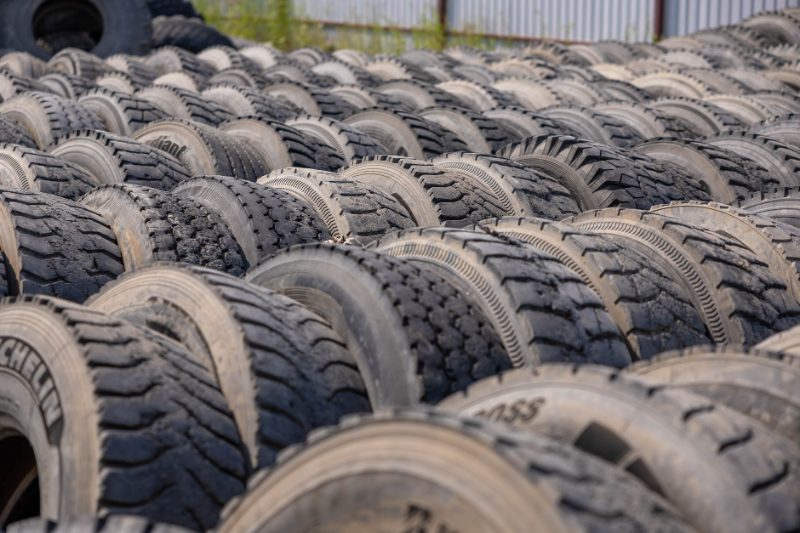
Apollo Tyres reported a steep fall in Q1 consolidated net profit to ₹12.9 crore from ₹302 crore a year earlier, even as revenue rose 3.6% to ₹6,561 crore, adding to a growing list of Indian tyre makers whose earnings were squeezed by rising raw material costs this quarter. The results mirror a similar profit collapse at rival CEAT in the same reporting period.
The sharp decline in profitability came despite steady top-line growth, pointing to industry-wide margin compression rather than a company-specific issue. Apollo Tyres’ stock slipped alongside the broader tyre pack as investors digested a second consecutive quarter of weak profitability across major listed tyre makers.
Why Did Apollo Tyres’ Profit Fall So Sharply?
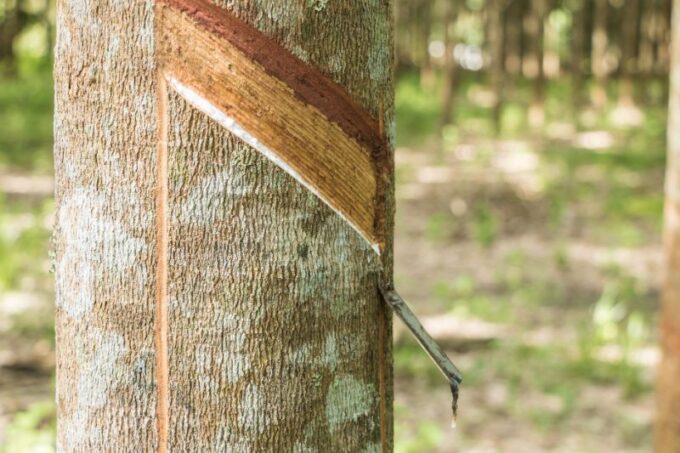
Rising raw material costs, particularly natural and synthetic rubber along with crude-linked inputs, squeezed margins even as Apollo Tyres grew revenue by 3.6%. Unlike a one-off event, this pattern is consistent with what CEAT reported for the same quarter, suggesting an industry-wide cost shock rather than a company-specific stumble. Currency volatility has added a further layer of pressure on companies with meaningful import exposure for raw materials.
What Does This Mean for India’s Tyre and Rubber Sector?
With both CEAT and Apollo Tyres reporting sharp profit declines in the same quarter, the results point to a sector-wide margin squeeze that is likely to persist into Q2 FY27 based on management commentary from peers about further raw material cost increases. Tyre makers with stronger export mixes and premium product portfolios may be better positioned to pass on cost increases, while smaller players could see sharper profitability hits.
Market Reaction and Industry Response
Apollo Tyres shares moved lower along with JK Tyre, TVS Srichakra, and Balkrishna Industries as the sector-wide earnings weakness became clear. Industry body the Automotive Tyre Manufacturers’ Association (ATMA) has highlighted rising input costs as a persistent theme for 2026, even as global demand for Indian tyres and rubber products remains strong on supply-chain diversification by international buyers.
What Happens Next?
Apollo Tyres and its peers are expected to seek price increases in the replacement tyre market to offset raw material inflation, though the timing and extent of any hikes will depend on demand elasticity and competitive dynamics. Investors will watch natural rubber price trends and rupee movements closely, since both were cited as key swing factors behind this quarter’s profit erosion across the tyre industry.
Frequently Asked Questions
Why did Apollo Tyres’ profit fall in the June quarter?
Apollo Tyres’ net profit fell to ₹12.9 crore from ₹302 crore a year earlier mainly due to rising raw material costs, even though revenue grew 3.6% to ₹6,561 crore.
Is the profit decline unique to Apollo Tyres?
No. Rival CEAT reported a similarly sharp profit decline for the same quarter, suggesting the pressure comes from industry-wide raw material and currency cost increases rather than company-specific issues.
What should investors watch next for tyre stocks?
Natural rubber prices, rupee movements, and whether tyre makers can push through price hikes in the replacement market are the key factors that will determine whether margins recover in the coming quarters.







Leave a comment