

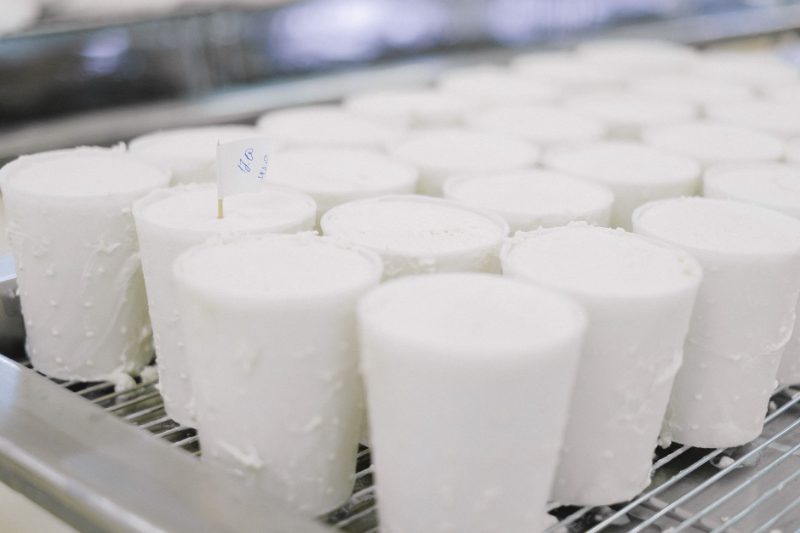
Heritage Foods posted its highest-ever quarterly revenue of ₹1,338.09 crore for Q1 FY27, up 17.71% year-on-year, but consolidated net profit fell 38.42% to ₹24.97 crore as rising milk procurement costs squeezed margins. The Hyderabad-based dairy major’s board approved the results on July 16, 2026, with an earnings call held the following day to walk investors through the quarter.
The quarter ended June 30, 2026 saw Heritage Foods’ revenue climb from ₹1,136.76 crore a year earlier, driven largely by its value-added products (VAP) portfolio, which contributed a record 44% of total quarterly revenue, up from a smaller share a year ago. However, consolidated EBITDA fell 16.37% year-on-year to ₹61.8 crore, with the EBITDA margin contracting sharply to 4.62% from 6.50% in the same quarter last year — a 188 basis point squeeze that offset much of the topline growth. Net profit dropped to ₹24.97 crore from ₹40.55 crore in Q1 FY26, even as the company’s ice cream and value-added dairy lines continued to expand.
Why Did Heritage Foods’ Profit Fall Despite Record Revenue?
Industry-wide inflation in raw milk prices, driven by higher fodder costs and tight regional supply across major dairy-producing states, pushed up procurement costs faster than Heritage Foods could pass them through to consumers. This is the central reason behind the Heritage Foods Q1 results showing a wide gap between revenue growth and profit performance: an 18% jump in sales alongside a nearly 40% drop in net profit. The company’s own commentary pointed to margin compression concentrated in its liquid milk segment, even as higher-margin categories like paneer, curd, and flavoured dairy products grew faster than the base business. Milk procurement, which typically accounts for the bulk of a dairy processor’s cost of goods sold, has been under pressure across southern and western India this year as fodder prices rose and herd yields softened in parts of the supply chain.
What Does This Mean for India’s Dairy Processing Sector?
Heritage Foods is not alone in facing this cost pressure. Dairy processors across India have flagged similar fodder-driven input inflation this quarter, and the trend is pushing the sector toward faster adoption of value-added, higher-margin products such as cheese, yogurt, and premium curd. Analysts tracking the space say companies with a larger share of value-added products in their revenue mix — like Heritage Foods’ 44% VAP contribution — are better insulated from raw milk price swings than those reliant on commodity liquid milk sales, where pricing power is limited by competition and regulated procurement pricing to farmers. This is likely to accelerate consolidation and premiumisation across the broader food processing and dairy segment through FY27, with mid-sized regional dairies facing the toughest squeeze if they lack a value-added portfolio to offset commodity milk margins.
Market Reaction and Industry Response
Heritage Foods’ board announced a final dividend of ₹2.50 per equity share, amounting to 50% of face value, payable on July 30, 2026 — a signal of confidence in the underlying cash flow despite the profit decline. The company held its earnings call on July 17, 2026 at 4:00 PM IST to walk investors through the results and field questions on cost trends. Sector watchers noted that while the topline beat was welcomed, the sharper-than-expected margin contraction is likely to keep near-term analyst estimates on dairy stocks conservative until milk procurement costs stabilise. Peer dairy companies are expected to face similar scrutiny as they report their own Q1 FY27 numbers over the coming weeks.
What Happens Next?
Heritage Foods management will be watched closely for commentary on procurement cost trends heading into Q2 FY27, particularly as monsoon patterns affect fodder availability and milk supply across key producing states. The dividend payment on July 30, 2026 will be a near-term catalyst for shareholders, while the company’s continued push into value-added dairy — ice cream, cheese, and premium curd — will be the key metric determining whether margins recover in the second half of the fiscal year. Investors will also track whether Heritage Foods can sustain its 44% VAP revenue share or push it higher as a structural hedge against future milk price volatility.
Frequently Asked Questions
What was Heritage Foods’ Q1 FY27 revenue?
Heritage Foods reported consolidated revenue of ₹1,338.09 crore for Q1 FY27, up 17.71% from ₹1,136.76 crore in the same quarter last year, marking its highest-ever quarterly revenue.
Why did Heritage Foods’ profit decline despite higher revenue?
Net profit fell 38.42% to ₹24.97 crore mainly because of rising milk procurement costs across major dairy-producing regions, which compressed EBITDA margin by 188 basis points to 4.62% from 6.50% a year earlier.
When will Heritage Foods pay its dividend?
The board approved a final dividend of ₹2.50 per equity share, 50% of face value, which is scheduled to be paid to shareholders on July 30, 2026.









Leave a comment