

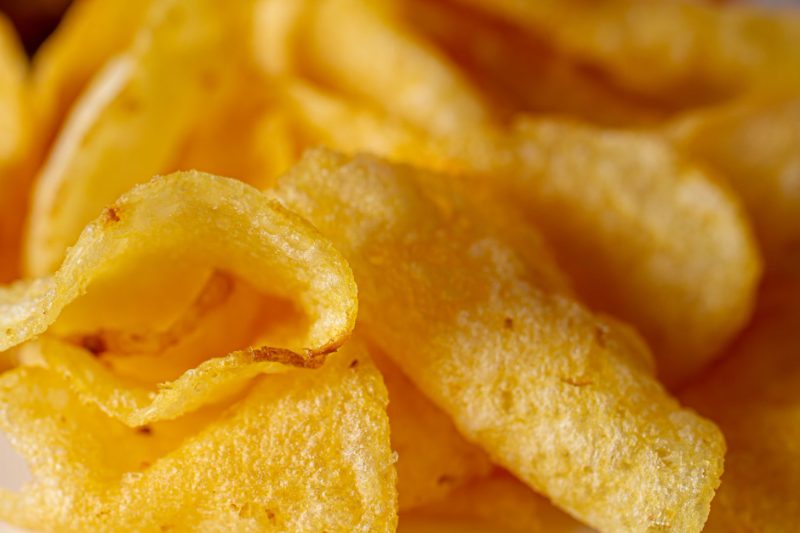
PepsiCo India has inaugurated a ₹778-crore (USD 81.5 million) potato chips manufacturing plant in Nalbari district, Assam, marking the company’s fifth food processing facility in the country and its first project of this scale in the northeast. The plant will source potatoes locally, lifting the region’s food processing capacity and creating new opportunities for thousands of farmers.
Assam Chief Minister Himanta Biswa Sarma inaugurated the facility at Banekuchi in Nalbari district on September 10, 2026, completing the project within three years of the foundation stone being laid. The plant will increase PepsiCo’s annual potato requirement from the region from 30,000 metric tonnes to 70,000 metric tonnes by 2030, directly benefiting local farming communities that will supply the raw material.
Why Is PepsiCo Investing in Assam’s Food Processing Sector?
PepsiCo’s decision to set up its fifth Indian food plant in Assam reflects a broader push by the food processing industry to move production closer to raw material sources in India’s northeast. By locating the plant near potato-growing regions, PepsiCo reduces logistics costs and stabilises its supply chain while giving farmers a nearby, reliable buyer. The ₹778-crore investment is among the largest single food processing commitments in Assam in recent years, and it aligns with the state government’s push to attract manufacturing investment beyond the traditional tea and oil sectors.
What Does This Mean for India’s Broader Food Processing Industry?
The Nalbari plant arrives as India’s food processing industry targets raising the share of agricultural produce that undergoes processing to 25-30 percent, up from the current 16-17 percent. Large-scale plants like PepsiCo’s create a template that other food companies may follow into underserved states, spreading food processing infrastructure beyond the traditional hubs of Maharashtra, Punjab and Gujarat. Farmers in Assam gain a structured off-take agreement, while PepsiCo strengthens its raw material security amid rising demand for packaged snacks across India. Local officials estimate the plant will also generate hundreds of direct and indirect jobs in logistics, quality control and packaging once it reaches full capacity.
Market Reaction and Industry Response
State officials have welcomed the investment as validation of Assam’s industrial policy, which offers incentives for food processing units. Industry bodies tracking the Pradhan Mantri Kisan SAMPADA Yojana (PMKSY) cold-chain scheme note that 408 integrated cold-chain projects have been approved nationally as of FY2025-26, with 300 already completed, providing the logistics backbone that plants like PepsiCo’s Nalbari facility depend on to move perishable produce efficiently. Competing snack makers are watching closely to see whether the plant’s farmer-linkage model can be replicated at scale.
What Happens Next?
PepsiCo has indicated it will scale potato sourcing from the region gradually through 2030, working with contract farmers to improve yields and quality through agronomy support programmes. Analysts expect other food and snack manufacturers to scout similar northeastern locations over the next 12-18 months as companies look to diversify manufacturing away from saturated western and northern industrial belts, and as the government’s food processing targets push more capital toward underserved regions.
Frequently Asked Questions
How much did PepsiCo invest in its Assam potato chips plant?
PepsiCo invested approximately ₹778 crore (USD 81.5 million) to build the potato chips manufacturing facility at Banekuchi in Nalbari district, Assam.
When did the Nalbari plant open?
Assam Chief Minister Himanta Biswa Sarma inaugurated the plant on September 10, 2026, roughly three years after the foundation stone was laid.
How will the plant affect local potato farmers?
The plant will raise PepsiCo’s annual potato requirement from the region from 30,000 MT to 70,000 MT by 2030, giving local farmers a larger, stable market for their produce.








Leave a comment