

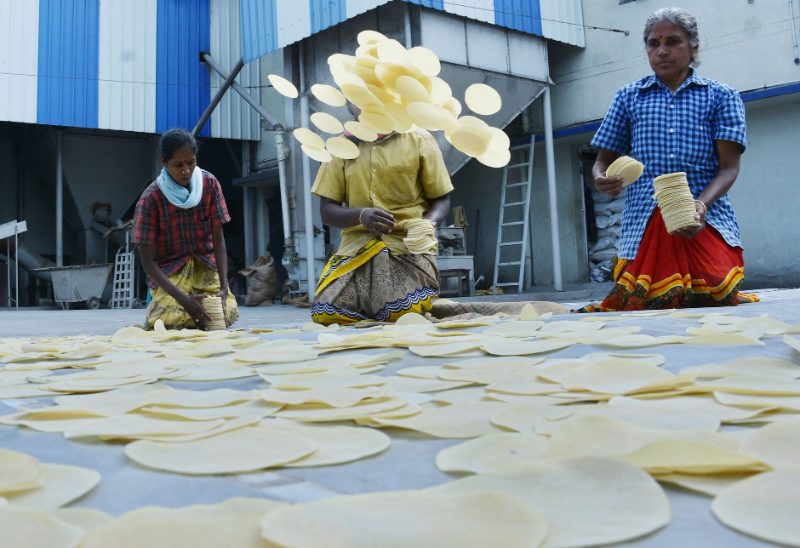
India is targeting a jump in its food processing level to 25-30% of total agricultural produce, up from the current 16-17%, as the government pushes to cut post-harvest losses and expand value-added exports. The goal was outlined by industry experts and trade officials in New Delhi ahead of Anuga Select India and Anuga FoodTec India 2026.
The announcement came at a precursor event for Anuga FoodTec India 2026, scheduled from September 29 to October 1 at the Bombay Exhibition Centre in Mumbai. India’s food processing industry is currently valued at more than USD 500 billion, and officials say raising the processing share is central to reducing wastage in a country where a large portion of fruits, vegetables, and grains still spoil before reaching processing units.
Why Is India Pushing to Raise Its Food Processing Level in 2026?
Only 16-17% of India’s agricultural produce currently goes through formal processing, well below levels seen in countries with mature food value chains. Government officials say raising this to 25-30% would unlock significant value addition, reduce the estimated post-harvest losses that run into thousands of crores annually, and strengthen India’s position as a food exporter. The push is backed by schemes such as the Production Linked Incentive Scheme for Food Processing Industry (PLISFPI), which has already approved 165 applications across 274 project locations, including 68 MSME beneficiaries.
What Does This Mean for the Broader Food Processing Industry?
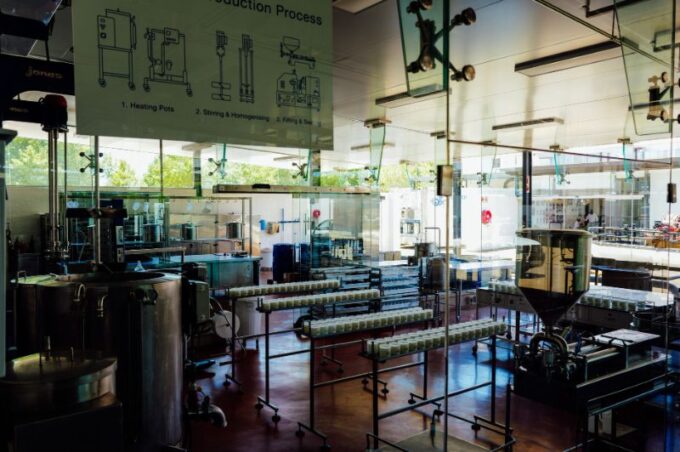
A higher processing target directly benefits equipment manufacturers, cold-chain logistics providers, and packaging companies that serve the food sector. Anuga FoodTec India 2026 is expected to bring together global machinery manufacturers to showcase processing, packaging, and preservation technology tailored to Indian producers. Analysts note that increased processing capacity also supports downstream sectors such as ready-to-eat foods, dairy, and marine exports, which have historically lagged behind India’s raw agricultural output in dollar value.
Market Reaction and Industry Response
Trade bodies attending the New Delhi precursor event welcomed the target, noting that PLI-backed beneficiaries have already reported investments exceeding ₹920 crore, with the government disbursing incentives worth ₹2,000 crore. Sales of PLI-supported products have grown 10.58% year-on-year, with export sales up 7.41%, according to Ministry of Food Processing Industries data. Industry representatives said the 25-30% target is achievable but will require sustained investment in cold storage and rural processing infrastructure.
What Happens Next?
Anuga FoodTec India 2026 in Mumbai from September 29 to October 1 will be the next major checkpoint, where processing equipment makers and Indian food companies are expected to sign fresh partnerships. The Ministry of Food Processing Industries is also expected to release updated PLISFPI performance figures before the scheme’s FY2026-27 conclusion, which will indicate how close the sector is getting to the new processing target.
Frequently Asked Questions
What is India’s current food processing level?
India currently processes about 16-17% of its total agricultural produce, a figure the government wants to raise to 25-30% to cut post-harvest losses and boost exports.
What is the PLI Scheme for Food Processing Industry?
The Production Linked Incentive Scheme for Food Processing Industry (PLISFPI) is a six-year, ₹10,900 crore central scheme running through FY2026-27 that has approved 165 applications across 274 project locations to boost manufacturing and exports.
When is Anuga FoodTec India 2026?
Anuga FoodTec India 2026 runs from September 29 to October 1, 2026, at the Bombay Exhibition Centre in Mumbai, bringing together global food processing machinery manufacturers.






Leave a comment