

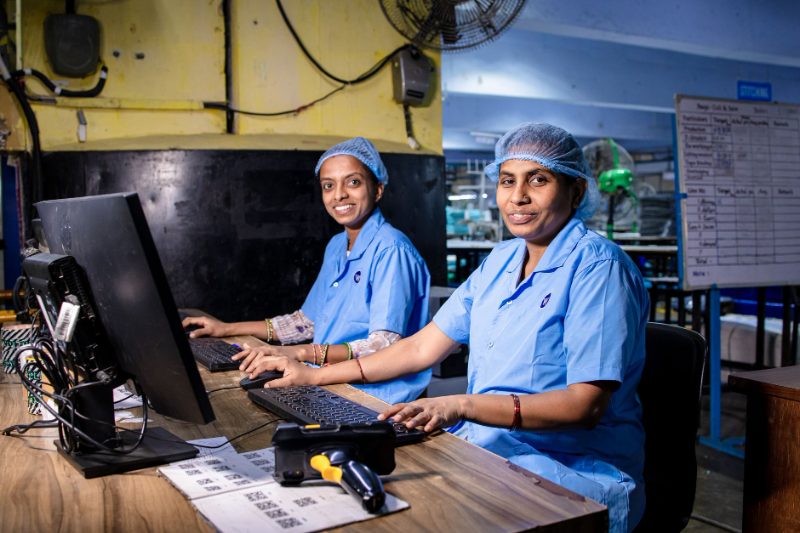
India’s Production Linked Incentive Scheme for Food Processing Industries (PLISFPI) has surpassed its investment and employment targets, drawing Rs 9,207 crore in investment and creating around 3.35 lakh direct and indirect jobs against an original target of 2.5 lakh, the government told Parliament in late July 2026.
The Ministry of Food Processing Industries said 163 applications from 127 companies, including 69 MSMEs, are now covered under the scheme, with approved projects spread across 212 locations in 22 states. Incentives worth Rs 3,271.44 crore have been disbursed up to June 2026 under the scheme, which runs from FY 2021-22 to FY 2026-27 with a total outlay of Rs 10,900 crore.
Why Has the Food Processing PLI Scheme Beaten Its Targets?
Sales of PLI-supported food processing products rose from Rs 58,758 crore in FY 2019-20 to Rs 1,08,854 crore in FY 2025-26, according to government data. Export sales of PLI products grew 7.41% while overall sales climbed 10.58%, driven by capacity additions in millet-based products, ready-to-eat foods and dairy processing. The scheme has also helped create 34 lakh metric tonnes per annum of new processing and preservation capacity, giving Indian food companies the scale to compete with global players on cost and quality.
What Does This Mean for the Broader Food Processing Industry?
The PLI scheme’s outperformance reinforces India’s ambition to grow its food processing sector into a $600 billion opportunity by 2030, per a recent Deloitte-FICCI report. Larger players such as Tata Consumer Products have separately committed Rs 2,000 crore in food processing investment over five years, while smaller MSMEs are using PLI incentives to modernise plants and enter export markets. The scheme’s employment multiplier is also significant: food processing remains the largest employer in India’s registered manufacturing sector, accounting for nearly 13% of total registered manufacturing jobs.
Market Reaction and Industry Response
Industry bodies including FICCI and CII have welcomed the disclosure, noting that the scheme’s success strengthens the case for a follow-on incentive programme beyond FY 2026-27. Food processing stocks with PLI exposure, including dairy and packaged foods companies, have seen steady investor interest through 2026 as the government signals continued policy support for the sector.
What Happens Next?
With the scheme set to conclude in FY 2026-27, the Ministry of Food Processing Industries is expected to review outcomes and consider a successor scheme to sustain investment momentum. Companies with pending PLI applications will continue to be evaluated through 2026, while disbursements against already-approved capacity expansions are expected to continue through the fiscal year.
Frequently Asked Questions
What is the Food Processing PLI Scheme?
It is a government incentive programme (PLISFPI) launched in FY 2021-22 to boost investment, capacity and jobs in India’s food processing sector, with an outlay of Rs 10,900 crore running through FY 2026-27.
How many jobs has the PLI scheme created?
The scheme has created around 3.35 lakh direct and indirect jobs, exceeding its original target of 2.5 lakh jobs, according to data presented to Parliament in July 2026.
Which companies benefit from the food processing PLI scheme?
163 applications from 127 companies, including 69 MSMEs, are covered under the scheme, spanning 212 project locations across 22 states in India.









Leave a comment