

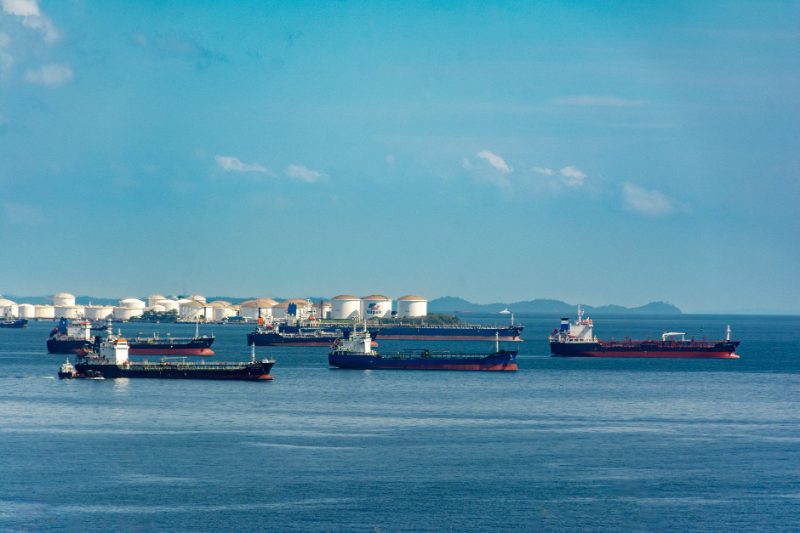
The Strait of Hormuz standoff between the US and Iran has pushed Brent crude to around $88 a barrel and WTI to about $82, after both benchmarks jumped roughly 5% as doubts grew that a deal to reopen the vital shipping corridor will be finalised. The spike directly threatens India, which sources nearly two-thirds of its crude oil and half its LNG imports through the strait.
The US and Iran signed a memorandum of understanding on June 17, 2026 to reopen Hormuz to commercial shipping, but the agreement collapsed after fighting broke out over which vessel routes would be permitted. Iran’s Foreign Ministry spokesman has said Tehran will not fully reopen the strait until the US lifts its naval blockade, while US President Donald Trump has added new demands, including compensation from Iran, further clouding the outlook. Brent settled near $87.72 a barrel and WTI at $82.13 in the latest session, both up about 5% day-on-day, as 10-year US Treasury yields climbed to around 4.70-4.71% on inflation concerns tied to the oil rally.
How Does This Development Affect Indian Industry?
The Strait of Hormuz carries nearly 20% of the world’s daily oil output, and any prolonged disruption would sharply inflate India’s crude import bill, given that roughly two-thirds of India’s oil imports and half its LNG imports pass through the waterway. Energy-intensive sectors including refining, petrochemicals, aviation, and fertilisers face the most immediate cost pressure, since higher landed crude costs squeeze margins for refiners and raise input costs across manufacturing supply chains. Rising shipping insurance premiums and freight costs are also expected to add to landed costs for both energy and non-energy trade moving between Asia and Europe through the corridor, with the Reserve Bank of India’s upcoming policy decisions now under close watch given the added inflationary pressure from crude near $88 a barrel.
What Do Analysts and Officials Say?
Traders are assessing mixed signals from Washington and Tehran, with oil holding a four-day gain after Trump’s sweeping new demands on Iran clouded prospects for reopening Hormuz. Iran’s Foreign Ministry has stated that “as long as the US naval blockade continues, the necessary conditions for the reopening of the Strait of Hormuz do not exist,” underscoring how far apart the two sides remain after the June 17 memorandum of understanding broke down over disputed shipping routes. Analysts tracking India’s economy note that sustained crude prices above $85 a barrel widen the current account deficit and add to fiscal pressure, since India remains one of the world’s largest net oil importers.
Market and Trade Reaction
Brent crude’s roughly 5% jump and WTI’s matching rise have rattled broader markets, with the US dollar index climbing 0.21% to 99.748 and gold gaining 1.40% to $4,402 an ounce as investors sought safe havens. US equities closed lower, with the S&P 500 slipping 0.06%, the Dow down 0.11%, and the Nasdaq 100 off 0.34%, as the oil-driven inflation scare revived bets against near-term rate cuts. Asia-Pacific government bonds also fell in tandem with US Treasuries, with yields in Australia and New Zealand rising after the US 10-year climbed six basis points, reflecting how the Hormuz standoff is transmitting through global fixed-income and currency markets.
What Happens Next?
Markets are watching for any fresh US-Iran negotiations to revive the collapsed June 17 memorandum of understanding on Hormuz shipping routes, as well as upcoming US consumer price inflation data that will shape how central banks respond to the oil-driven price pressure. In India, the Reserve Bank of India’s policy stance and any government measures to cushion fuel retailers or consumers from higher crude costs will be key indicators to track if Brent sustains levels near $88 a barrel through the coming weeks.
Frequently Asked Questions
Why are oil prices surging right now?
Oil prices jumped about 5% after doubts grew that the US and Iran will finalise a deal to fully reopen the Strait of Hormuz, with Brent crude near $88 a barrel and WTI around $82 following the collapse of a June 17, 2026 memorandum of understanding.
How does the Strait of Hormuz situation affect India?
Nearly two-thirds of India’s crude oil imports and half its LNG imports transit the Strait of Hormuz, so sustained disruption raises India’s import bill, adds inflationary pressure, and widens the current account deficit.
What is blocking a Strait of Hormuz deal?
Iran says it will not fully reopen the strait until the US lifts its naval blockade, while the US has added new demands including compensation from Iran, leaving the two sides deadlocked after their June 17 agreement collapsed over shipping routes.











Leave a comment