

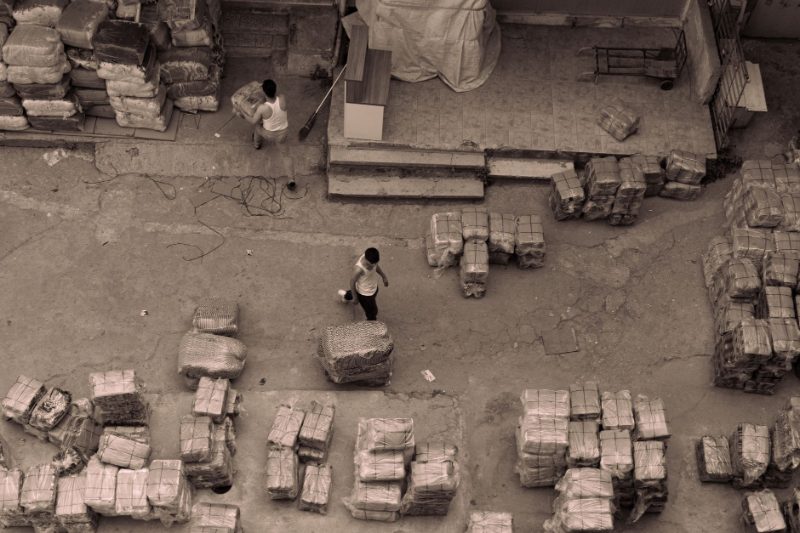
Cotton yarn prices in India have surged by roughly ₹95 per kilogram over the past year, prompting Tamil Nadu spinning mills to demand a government export ban on cotton and yarn along with urgent policy intervention to protect domestic supply. The Cotton Association of India noted that domestic cotton was trading near 86 cents per pound as of September 8, 2026, after a sharp run-up through August 2026, reflecting a tightening raw material market that is squeezing India’s spinning and weaving industry just as export demand strengthens.
Industry bodies including the Confederation of Indian Textile Industry point to surging worldwide demand for cotton yarn as the chief driver of the price volatility, compounded by a domestic shortfall estimated at around 60 lakh bales. Tamil Nadu, home to the country’s largest concentration of spinning mills concentrated around Coimbatore and Tiruppur, has been especially vocal, with mill associations warning that sustained high raw cotton costs could erode competitiveness just as India’s textile exporters look to capitalise on the “China+1” sourcing shift.
Why Are Cotton Yarn Prices Rising So Sharply in India?
Cotton yarn prices are being pushed up by a combination of a roughly 60-lakh-bale domestic supply shortfall, strong global demand for Indian yarn, and firmer international cotton benchmarks that touched near 86 cents per pound in early September 2026. Spinning mills that buy raw cotton at these elevated levels face a direct hit to margins unless they can pass the increase downstream to weavers, knitters and garment exporters, many of whom are themselves negotiating tightly priced export orders.
What Does This Mean for India’s Textile Industry?
India’s textile and apparel sector, which exported $36.55 billion worth of goods in FY26, is entering what industry executives describe as a multi-year growth window driven by the China+1 diversification trend and the UK-India trade pact that took effect in July 2026. However, a sustained cotton price spike threatens to offset some of that competitive advantage, particularly for cotton-heavy segments like home textiles and knitwear, where India already commands 45-60% of major US import categories such as bedsheets and towels. Higher yarn costs could also complicate price negotiations with buyers in the UK and EU markets that India is now targeting more aggressively.
Market Reaction and Industry Response
Tamil Nadu mill associations have petitioned the central government for a temporary ban or restriction on cotton and cotton yarn exports to preserve domestic availability, alongside calls for duty-free cotton imports to bridge the shortfall. The Cotton Association of India has continued to publish daily price benchmarks as volatility persists, while textile industry bodies have flagged the issue at recent government consultations on the sector’s FY27 outlook. Spinning mill stocks and yarn traders are watching the Ministry of Textiles closely for any policy signal in the coming weeks.
What Happens Next?
The government is expected to weigh the mills’ export-restriction demand against broader trade policy goals, particularly since curbing cotton exports could strain relations with buyer countries at a time when India is negotiating expanded market access under new free trade agreements. Analysts expect cotton prices to remain volatile through the October-November harvest arrival season, when fresh domestic supply typically eases pressure, though the scale of this year’s shortfall means relief may be limited. Industry watchers will track CAI’s price bulletins and any Ministry of Textiles announcement on import duty or export policy over the next few weeks.
Frequently Asked Questions
Why did cotton yarn prices rise by ₹95 per kg in India?
A domestic shortfall of around 60 lakh bales combined with surging global demand for Indian cotton yarn pushed prices up by roughly ₹95/kg over the past year, with domestic cotton trading near 86 cents per pound as of September 8, 2026.
What are Tamil Nadu mills demanding from the government?
Tamil Nadu spinning mill associations are demanding an export ban or restriction on cotton and cotton yarn, along with duty-free import facilitation, to protect domestic raw material availability and stabilise costs.
How does the cotton price surge affect India’s textile exports?
Higher yarn costs raise production costs for garment and home-textile exporters just as India seeks to expand its share of US, UK and EU markets, potentially eroding some of the price competitiveness gained from the China+1 sourcing shift.










Leave a comment