

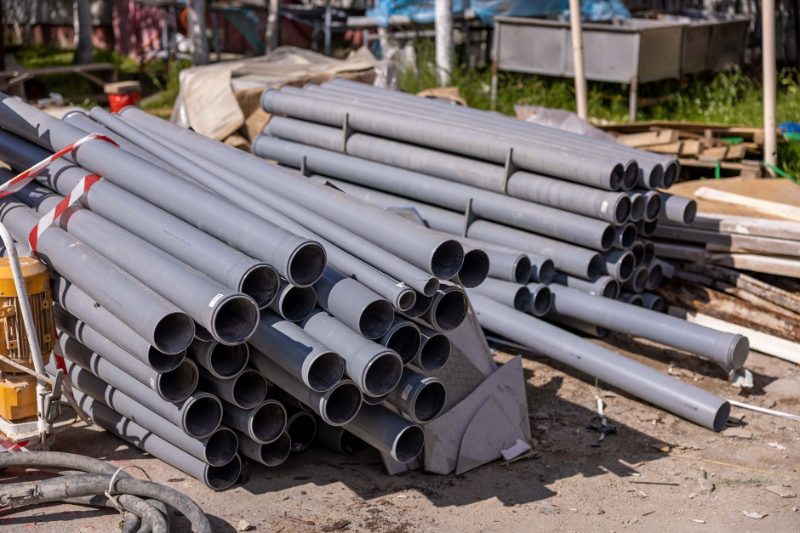
Reliance Industries Limited (RIL) raised domestic PVC prices by ₹2,000 per tonne across all grades effective September 7, 2026, adding fresh cost pressure on India’s pipes, cables and fittings manufacturers just as construction and infrastructure demand picks up ahead of the festive season. The move came days before RIL’s separate polypropylene price hike of up to ₹5,000 per tonne on September 11, marking two significant polymer price increases within a single week.
Indian Oil Corporation’s polymer division also revised prices on September 7, 2026, lifting polyethylene (PE) HD-Raffia, HD-IM, HD-Pipe and most LL grades by ₹1,000 per tonne, with LL 2-MFI grades up ₹2,000 per tonne. Separately, IOC raised PP-Homo/ICP by ₹1,500 per tonne and PP-F&F by ₹3,000 per tonne. Together, the moves signal that India’s two largest domestic polymer producers are aligning on a coordinated upward price cycle heading into the second half of September 2026.
Why Are PVC and PE Prices Rising in India Right Now?
PVC and PE pricing in India typically tracks international ethylene, EDC and naphtha costs, along with import parity levels set by landed cargo prices from the Middle East and Northeast Asia. Producers say tightening global supply and firmer feedstock costs through late August and early September 2026 pushed margins down, prompting the round of increases. RIL, which operates PVC capacity as part of its broader petrochemicals business alongside a planned 1.5 MTPA PVC complex expansion, has consistently acted as the price-setter that other domestic producers follow within days.
What Does This Mean for India’s Pipes and Packaging Sector?
PVC is the primary raw material for India’s pipes and fittings industry, which supplies agriculture, plumbing, and drainage infrastructure, while PE feeds packaging films, HDPE pipes, and household goods. With Reliance’s 1.5 MTPA PVC complex and Adani’s 2 MTPA PVC build-out both targeted at narrowing India’s roughly 2.5-million-tonne local supply gap by 2027, near-term price hikes highlight how tight the market remains until that new capacity is commissioned. Pipe manufacturers, many of whom compete on wafer-thin margins in government tender-driven markets, are expected to seek price revisions from state irrigation and water-supply departments in the coming weeks.
Market Reaction and Industry Response
Distributors tracking daily polymer prices say trading volumes softened immediately after the September 7 circulars as buyers adopted a wait-and-watch approach. Some converters accelerated purchases ahead of the announcement once price-hike signals emerged from feedstock markets, a pattern common in India’s polymer trade. Industry associations representing plastic processors have historically flagged the lack of advance notice on price revisions as a recurring grievance, since it limits their ability to plan procurement.
What Happens Next?
With both PVC and PE now repriced and PP following on September 11, market participants expect producers to hold prices through the rest of September before the next scheduled review, typically issued on a fortnightly cycle. Analysts will watch international crude and naphtha trends through October, along with progress on Reliance’s and Adani’s capacity expansions, as the key variables that will determine whether India’s polymer prices stabilise or extend their upward run into the fourth quarter of 2026.
Frequently Asked Questions
How much did PVC prices increase in India in September 2026?
Reliance Industries raised PVC prices by ₹2,000 per tonne across all grades effective September 7, 2026, shortly before a separate polypropylene price increase on September 11.
Did polyethylene prices also increase alongside PVC?
Yes. Indian Oil Corporation revised PE prices on September 7, 2026, raising HD-Raffia, HD-IM, HD-Pipe and most LL grades by ₹1,000 per tonne, with LL 2-MFI grades up ₹2,000 per tonne.
Who is most affected by rising PVC and PE prices?
Pipe, fitting and cable manufacturers that rely on PVC, along with packaging film and HDPE pipe producers that use PE, face the most direct cost pressure, particularly smaller processors with limited pricing power over end buyers.









Leave a comment