

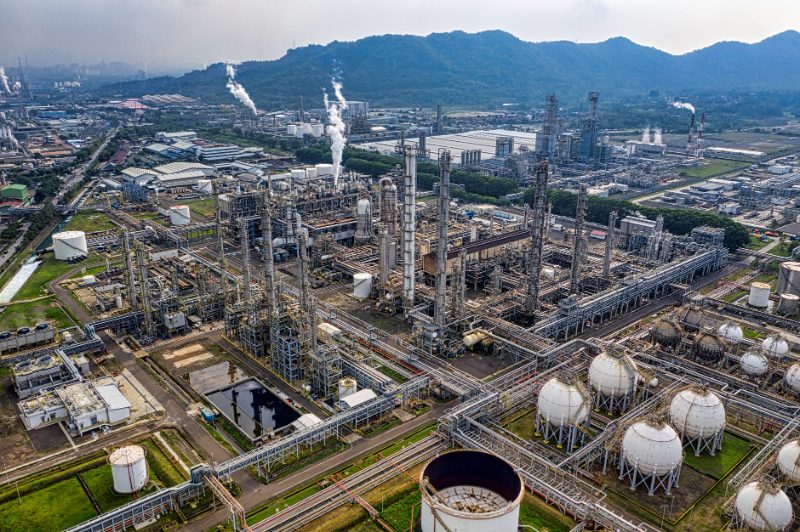
Haldia Petrochemicals is looking to raise the share of LPG it feeds into its naphtha-based cracker to as much as 30%, as the plastics industry’s raw-material supply chain comes under pressure from the ongoing US-Iran conflict. The West Bengal-based company, one of eastern India’s largest polymer producers, is also working to import LPG from every available source to hedge against disruption risk.
The move comes as regional feedstock flows have been hit hard: LPG shipments through key Middle East waterways have fallen by nearly 80% since the conflict escalated, tightening supply and pushing plastics and petrochemical producers across Asia to look for alternative feedstocks. Haldia Petrochemicals operates a 700,000-tonne-per-year ethylene plant along with roughly 491,000 tonnes of annual chemical processing capacity and about 1 million tonnes of polymer processing capacity at its Bengal facility.
Why Is Haldia Petrochemicals Shifting to More LPG?
Naphtha, the primary feedstock for Haldia’s cracker, is more exposed to Middle East supply shocks than LPG, which can be sourced more flexibly from a wider set of global suppliers. By raising LPG substitution to as much as 30% of cracker feed, Haldia aims to de-risk its production of ethylene and downstream polymers such as polyethylene and polypropylene, which feed India’s packaging, consumer goods and construction plastics value chains.
What Does This Mean for India’s Plastics Industry?
Haldia’s move is likely to be watched closely by other Indian crackers and polymer producers grappling with the same feedstock uncertainty. Any sustained rise in LPG-based cracking could reshape cost structures across the plastics industry, since LPG-fed crackers typically yield a different product slate than naphtha-fed ones, affecting the relative availability of propylene versus ethylene downstream. Higher import competition for LPG could also push up costs for other users, including India’s expanding LPG-consuming petrochemical and refining sector.
Market Reaction and Industry Response
Global LPG trade, valued at roughly $80 billion, has become a closely tracked barometer of the broader energy shock from the Iran conflict, with cargo flows and pricing swinging sharply as buyers like Haldia compete for supply. Industry executives have described each additional LPG cargo as a way to stave off shortages that were severe enough earlier in the conflict to threaten production continuity at naphtha-dependent crackers.
What Happens Next?
Haldia Petrochemicals is expected to keep adjusting its feedstock mix as the geopolitical situation evolves, with LPG substitution levels likely to fluctuate based on relative pricing and availability of naphtha versus LPG cargoes. Plastics industry analysts expect Indian polymer producers to continue diversifying feedstock sourcing through the rest of the year to guard against further Middle East supply shocks.
Frequently Asked Questions
Why is Haldia Petrochemicals increasing its use of LPG?
Haldia is raising LPG substitution at its naphtha-fed cracker to as much as 30% to reduce its exposure to Middle East supply disruptions caused by the ongoing US-Iran conflict.
How much has LPG supply been affected by the Iran war?
LPG flows through key Middle East waterways have dropped by nearly 80% since the conflict escalated, tightening global supply and pushing up sourcing competition.
What does this mean for India’s plastics production?
A shift toward LPG-based cracking could alter the mix of ethylene and propylene available to India’s plastics industry, potentially affecting costs and supply for packaging and consumer-goods polymer makers.




Leave a comment