

Reliance Industries (RIL) and Indian Oil Corporation (IOC) raised polymer prices again in September 2026, pushing up costs for LDPE, LLDPE and polypropylene grades used across India’s packaging, agriculture and consumer goods sectors. The hikes, effective September 11, mark the second increase this month and add fresh pressure on plastics converters already working with tight margins.
RIL’s September 11 price list showed LD extrusion coating grades rising by INR 8,000 per tonne, while LD milk packaging and injection-molding grades increased by INR 3,000 per tonne; all other LD grades moved up by INR 2,000 per tonne. IOC followed with its own polymer price revisions the same day, lifting PP-IM and PP-F&F grades by INR 4,000 per tonne and PP-RCP by INR 5,000 per tonne. Domestic producers have now raised polypropylene and polyethylene prices twice since the start of September, according to price bulletins tracked by industry publications such as Plastemart and PolymerUpdate. Together, RIL and IOC supply the majority of India’s domestic polyolefin volumes, so their price circulars are closely watched by thousands of downstream converters, traders and packaging companies nationwide.
Why Are Polymer Prices Rising in India Right Now?
Domestic polymer makers are passing through higher naphtha and crude-linked feedstock costs, alongside firmer international polymer benchmarks across Asia. Traders note that with global oil prices elevated through much of 2026, producers have been reluctant to hold prices flat for more than a few weeks at a time. RIL and IOC, which together account for the bulk of India’s domestic polyolefin supply, tend to set the tone for the rest of the market, and smaller producers typically follow within days of a benchmark move. Import parity pricing also plays a role: when landed costs of imported PP and PE from the Middle East and Southeast Asia rise, domestic producers have more room to push through increases without losing volume to cheaper imports.
What Does This Mean for India’s Plastics Industry?
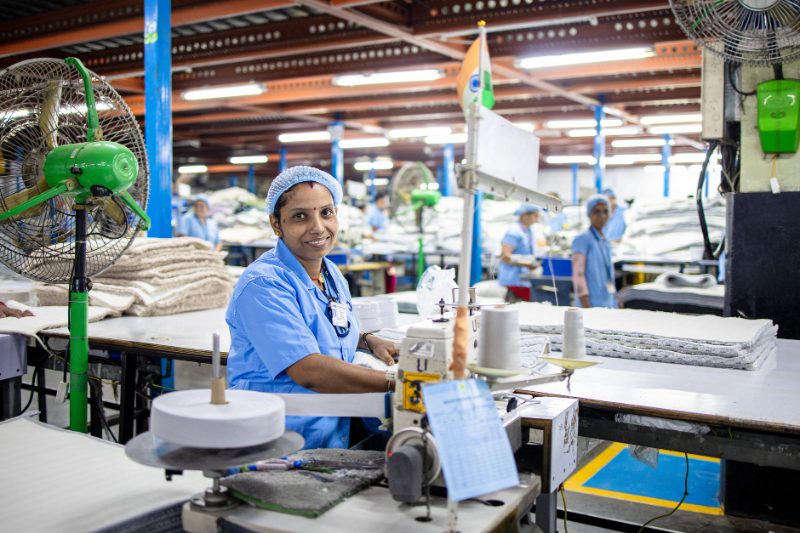
For converters — the small and mid-sized units that turn resin into packaging film, pipes, containers and molded goods — back-to-back hikes compress already thin margins, since retail and industrial buyers resist matching price increases at the same pace. Packaging converters serving FMCG and dairy clients are especially exposed, as milk-packaging LD grades were among the steepest increases this round. Industry associations have flagged that repeated mid-month revisions make cost planning difficult for units that quote fixed prices to customers weeks in advance, particularly MSME converters who lack the working capital to build resin inventory ahead of anticipated hikes. Larger integrated players with in-house compounding and captive resin supply are comparatively insulated, widening the competitive gap with smaller, resin-dependent units.
Market Reaction and Industry Response
Polymer trading circles reacted with limited surprise, since price watchers had flagged the move as likely given the firmness in regional PP and PE benchmarks through late August. Distributors said downstream demand remained steady rather than surging, suggesting the increases were supply-side and feedstock-driven rather than a response to a sudden demand spike. Some converters have started building modest inventory ahead of the festive-season packaging season, which could support prices further into October. Trade sources also pointed to reduced import competitiveness this month, with landed costs of Middle East-origin PP narrowing the gap with domestic quotes, giving Indian producers additional pricing headroom.
What Happens Next?
Market watchers expect polymer prices to stay firm through the festive quarter (October-November), when packaging and consumer-goods demand typically peaks in India. A further revision is possible before month-end if crude prices hold current levels or international PP/PE benchmarks move higher. Converters and packaging buyers will be watching RIL and IOC’s next price circulars, usually issued around the 1st and mid-month, for early signals on where costs head next. Industry bodies representing plastics processors are expected to raise the pace of increases with the government and producers in coming weeks, seeking greater price stability for MSME converters heading into the high-demand festive period.
Frequently Asked Questions
Why did RIL and IOC raise polymer prices in September 2026?
Both companies cited firmer feedstock and international benchmark costs. RIL raised LD grades by INR 2,000-8,000 per tonne and IOC raised PP grades by INR 4,000-5,000 per tonne, effective September 11, 2026.
Which plastics products will get costlier because of this hike?
Packaging film, milk pouches, injection-molded containers and extrusion-coated products made from LDPE and polypropylene are most directly affected, since those grades saw the largest increases.
Will polymer prices in India keep rising through the rest of 2026?
Analysts expect prices to stay firm through the festive season on steady packaging demand, though the pace of further increases will depend on crude oil prices and regional polymer benchmark movements.








Leave a comment