

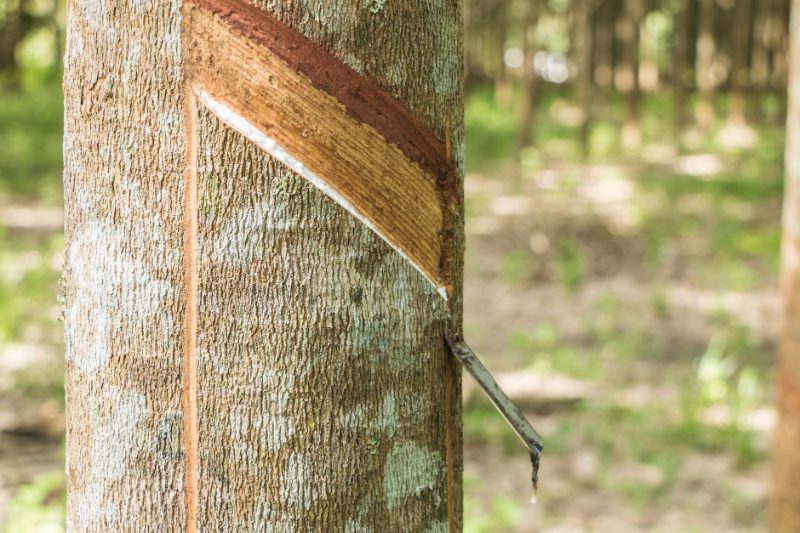
Japanese rubber futures have slid to a one-month low, weighed down by a stronger yen and persistently weak global demand, a price move that could ease raw-material costs for India rubber and tyre industry over the coming weeks. Benchmark futures on the Osaka Exchange posted their steepest weekly drop since end-June as demand signals from China and other major buyers stayed soft.
The decline follows a volatile stretch for natural rubber markets: prices had earlier surged to their highest level since 2013 on supply concerns out of Southeast Asia, before profit-taking and a firmer yen pulled futures back down. China, the world largest rubber importer, brought in 531,000 tonnes of natural and synthetic rubber in May, down 12.5% year-on-year, reflecting weaker demand tied to falling car sales, while tyre-industry operating rates in China have stayed stable but cautious, with companies sticking to essential purchases only.
Why Are Japanese Rubber Futures Falling Now?
A combination of a stronger yen, softer demand signals from China vehicle and tyre sectors, and expectations of higher supply as Southeast Asia peak tapping season winds down has pushed futures lower for six straight sessions. Lower crude oil prices have also reduced the cost incentive for synthetic-rubber substitution, removing some of the support that had earlier pushed natural rubber to decade-plus highs.
What Does This Mean for India Rubber and Tyre Industry?
India imports a significant share of its natural and synthetic rubber, so a sustained pullback in global benchmark prices would ease input costs for domestic tyre makers such as Apollo Tyres, MRF, CEAT and Balkrishna Industries, all of whom have flagged raw-material volatility as a margin swing factor in recent quarters. Indian rubber growers and the domestic mandi rate, currently around Rs 306.5 per kg, tend to track global benchmarks with a lag, so any relief may take time to fully filter through to farmgate prices.
Market Reaction and Industry Response
The Indian rubber industry has separately been pressing for higher import duties on finished rubber products to protect domestic producers and growers, a request that gains more urgency when global prices are volatile in either direction. Tyre makers, meanwhile, tend to benefit when raw natural rubber costs ease, since rubber remains one of the largest input costs in tyre manufacturing alongside carbon black and specialty chemicals.
What Happens Next?
Traders expect Japanese rubber futures to stay volatile in the near term as yen movements, Chinese demand data and Southeast Asian supply conditions continue to pull prices in different directions. Indian tyre and rubber goods manufacturers will be watching closely, since sustained lower input costs could support margins heading into the festive and winter demand season.
Frequently Asked Questions
Why did Japanese rubber futures hit a one-month low?
A stronger yen, weak demand from China vehicle and tyre sectors, and expectations of higher Southeast Asian supply combined to push futures down for six consecutive sessions.
How does this affect India tyre industry?
Since India imports a large share of its rubber, lower global benchmark prices could ease raw-material costs for tyre makers like Apollo Tyres, MRF and CEAT, though domestic prices typically adjust with a lag.
What is the current rubber price in India?
The domestic mandi rate for natural rubber is around Rs 306.5 per kg, a level that reflects both global benchmark trends and local supply from producing states such as Kerala.








Leave a comment