

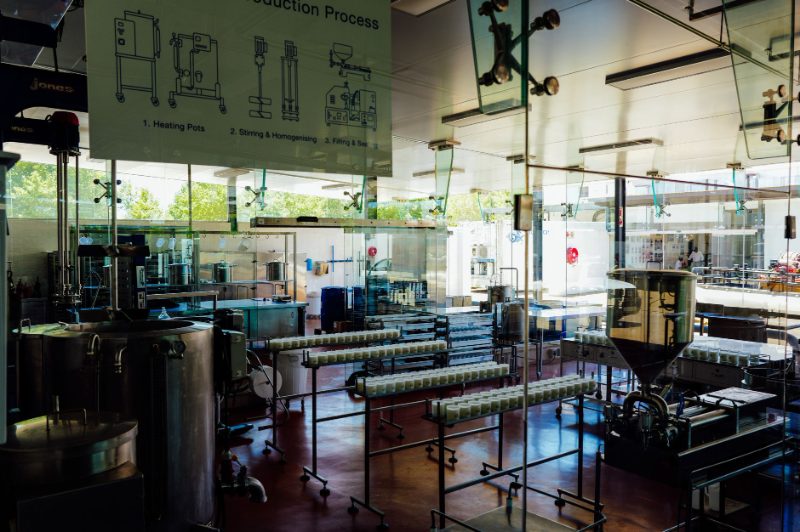
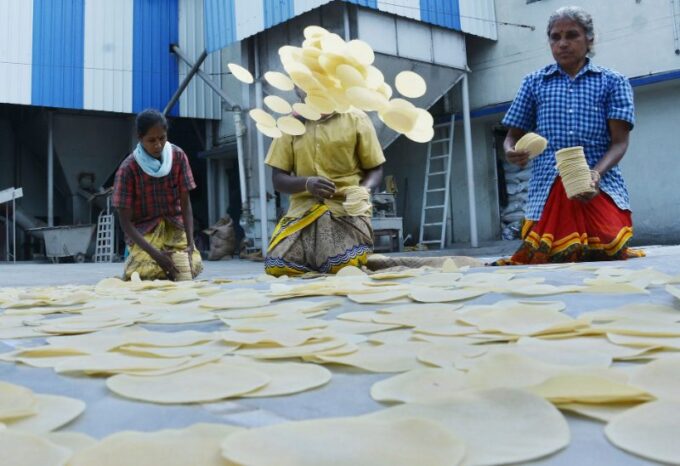
India is targeting a sharp rise in its food processing level, aiming to raise the share of agricultural produce that undergoes processing to 25-30 percent from the current 16-17 percent. The government’s push, confirmed by senior officials on September 12, 2026, is intended to expand value-added production, cut post-harvest losses, and strengthen the country’s export competitiveness in packaged and processed foods.
The announcement was made on the sidelines of a precursor event in New Delhi ahead of Anuga Select India and Anuga FoodTec India 2026, scheduled for September 29 to October 1 at the Bombay Exhibition Centre in Mumbai. India’s food processing industry is currently valued at more than USD 500 billion, with officials citing significant headroom for further expansion as processing infrastructure and cold-chain networks mature.
Why Is India Pushing to Raise Its Food Processing Level Now?
India loses a substantial share of its agricultural output to spoilage and inefficient handling every year, particularly in perishables such as fruits, vegetables and dairy. Raising the processing level to 25-30 percent would let farmers and food companies capture more value from raw produce instead of selling it unprocessed at lower margins. Officials pointed to rising urban demand for packaged, ready-to-eat and healthier food products as a structural tailwind that processing capacity has not yet fully caught up with.
What Does This Mean for the Broader Food Processing Industry?
A jump in the processing level would ripple across packaging, cold-chain logistics, and specialty ingredients suppliers that serve food manufacturers. As of FY2025-26, 408 integrated cold-chain projects had been approved under the Pradhan Mantri Kisan SAMPADA Yojana (PMKSY), with 300 completed and 108 at various implementation stages, giving processors more infrastructure to move perishable inputs efficiently. The Production Linked Incentive Scheme for Food Processing Industries (PLISFPI) has already approved 170 applications, generating cumulative investment of roughly ₹9,000 crore and adding 35 lakh metric tonnes of processing capacity.
Market Reaction and Industry Response
Industry associations have broadly welcomed the target, though several have flagged that reaching 25-30 percent will require sustained investment in mega food parks, farm-level aggregation, and skilled labour. Exporters attending the pre-Anuga event noted that higher processing levels would help Indian food brands meet quality and shelf-life standards demanded by international buyers, potentially widening market access beyond South Asia and the Gulf.
What Happens Next?
The government is expected to detail specific incentives and timelines around the Anuga Select India and Anuga FoodTec India 2026 exhibition in Mumbai from September 29 to October 1, where processing equipment makers, packaging suppliers and food companies will showcase new capacity. Analysts expect follow-on PLI scheme expansions and state-level incentives to be unveiled over the coming quarters as the government works to translate the target into on-ground capacity.
Frequently Asked Questions
What is India’s current food processing level?
India currently processes about 16-17 percent of its agricultural produce, a figure the government wants to raise to 25-30 percent.
Why does India want to increase food processing?
Higher processing levels reduce post-harvest losses, add value to raw agricultural produce, and improve the export competitiveness of Indian food products.
What government schemes support this target?
Key schemes include the PLI Scheme for Food Processing Industries and the Pradhan Mantri Kisan SAMPADA Yojana, which funds cold-chain and processing infrastructure.







Leave a comment