

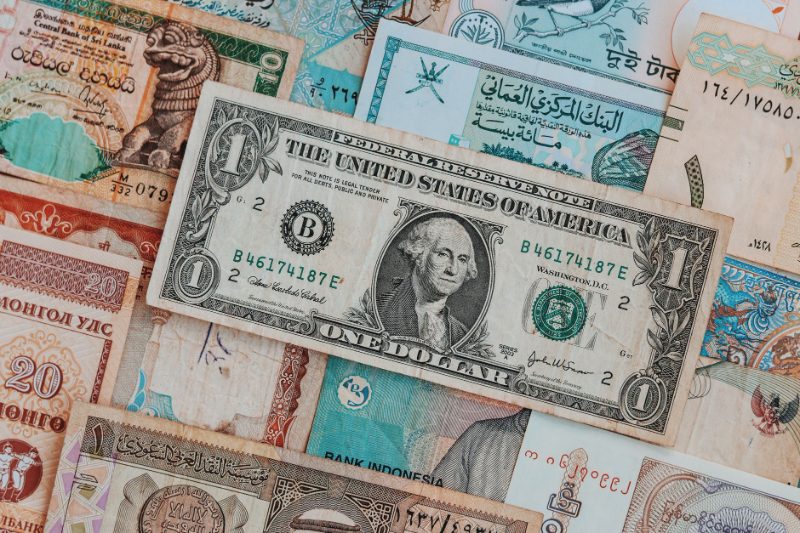
BRICS leaders unanimously adopted the New Delhi Declaration on September 12, 2026, committing member countries to expand cross-border trade and investment settled in their own national currencies and to link domestic payment and messaging systems so transactions can clear without routing through SWIFT. The bloc explicitly rejected proposals for a single common BRICS currency, opting instead for a gradual, country-by-country approach to reducing dependence on the US dollar.
The declaration was adopted at the close of the 18th BRICS Summit hosted by India at Bharat Mandapam in New Delhi, under India’s 2026 BRICS chairship. The text states that member countries are discussing trade settlements and investments in local currencies “while respecting national priorities,” acknowledging there is no single framework that fits all eleven BRICS economies given their differing financial systems and capital account rules.
How Will Local-Currency Trade Settlement Work in Practice?
Rather than creating shared institutions or a new reserve currency, the declaration commits members to bilateral and plurilateral arrangements — similar to existing rupee-rouble and rupee-dirham settlement mechanisms — expanded gradually across the bloc. The economic core of the commitment is linking domestic payment and messaging systems so that cross-border transactions between BRICS members can clear without touching SWIFT, reducing exposure to potential Western sanctions on payment infrastructure.
What Do Economists and Trade Officials Say?
Trade economists tracking the bloc note that the declaration’s language is deliberately non-binding, reflecting divisions among members over how far to push de-dollarisation given that China, Russia, India, Brazil and South Africa each have different priorities and different levels of exposure to dollar-denominated trade and debt. Some analysts describe the outcome as “dollar-exit plumbing” going live incrementally rather than a dramatic single shift, while others caution that without common technical standards, local-currency settlement will likely remain a patchwork of bilateral deals for years.
Market and Trade Reaction
The US dollar index showed limited immediate reaction to the declaration, and BRICS member currencies, including the rupee, traded largely in line with other domestic factors such as oil prices rather than the summit outcome. Trade bodies in India said the declaration’s emphasis on local-currency settlement could gradually support rupee trade invoicing with Russia and other partners already using such arrangements, but cautioned that global commodity markets will likely continue to be priced predominantly in dollars for the foreseeable future.
What Happens Next?
Implementation details are expected to be worked out at BRICS finance ministers’ and central bank governors’ meetings over the coming months, ahead of the next summit under a different member country’s chairship. Analysts will be watching for any bilateral payment-linkage agreements, such as further UPI integration with BRICS partners, as the clearest near-term signal of how seriously individual members are pursuing the declaration’s commitments.
Frequently Asked Questions
Did BRICS agree to create a common currency?
No. The New Delhi Declaration explicitly rejected a single common BRICS currency, backing instead a gradual expansion of trade settled in members’ own national currencies.
What does the declaration say about SWIFT?
Members committed to linking domestic payment and messaging systems so that cross-border transactions between BRICS countries can clear without routing through SWIFT.
When was the New Delhi Declaration adopted?
BRICS leaders unanimously adopted the New Delhi Declaration on September 12, 2026, at the close of the 18th BRICS Summit in New Delhi.











Leave a comment