

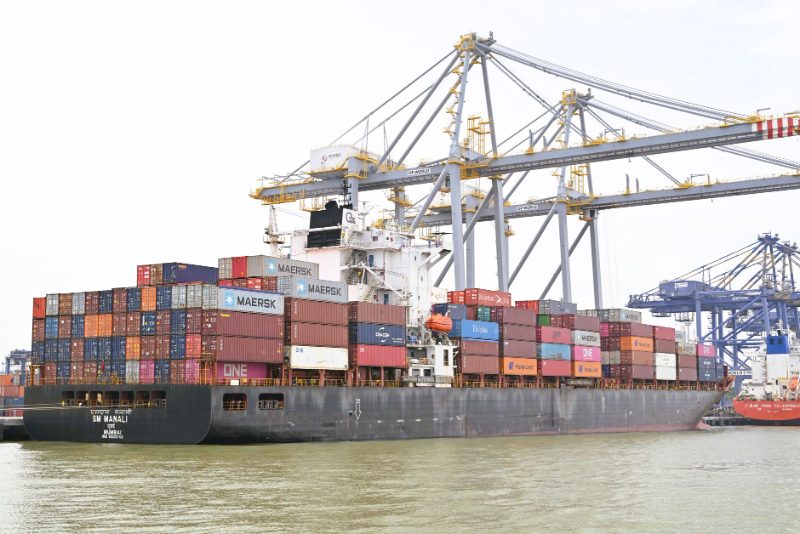
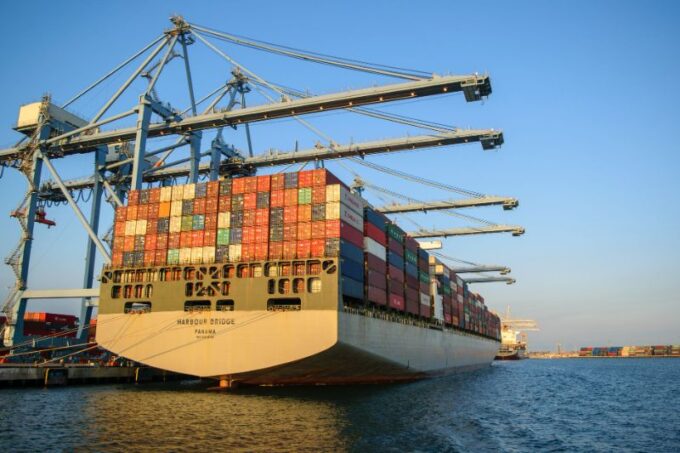
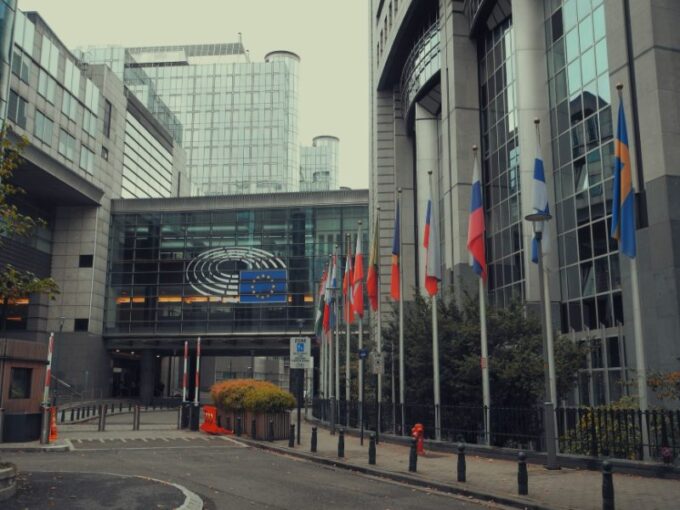
The European Commission on September 11, 2026 formally presented the EU-India Free Trade Agreement to the Council of the European Union, requesting authorisation to sign and conclude the pact. If approved, it will be the largest trade agreement either the EU or India has ever concluded, eliminating or reducing tariffs on 96% of EU goods exports to India and saving European exporters an estimated €4 billion a year in duties.
Negotiations on the EU-India FTA concluded in January 2026 after years of talks, and the deal now moves through a multi-step ratification process: Council authorisation for signature, followed by the consent of the European Parliament, before the agreement can enter into force. India’s government is simultaneously running its own internal ratification procedures, and a commercial attaché has already been posted to Brussels to support the first working-level meetings under the new framework.
What Will the EU-India FTA Change for Indian Exporters?
Once in force, the agreement is expected to grant duty-free or preferential access to a significant share of Indian tariff lines in the EU market, covering textiles, leather, pharmaceuticals, engineering goods and select agricultural products — sectors where Indian exporters currently face tariff disadvantages against competitors like Vietnam and Bangladesh. On the EU side, European automakers, machinery manufacturers, wines and spirits producers stand to gain the most from India’s tariff reductions, given India’s traditionally high applied tariffs in these categories.
What Do Trade Bodies and Officials Say?
European Commission officials have called the deal a “landmark” agreement that will reshape EU-India economic ties, supporting roughly 800,000 European jobs tied to India-linked trade. Indian industry associations have broadly welcomed the deal while flagging that domestic sectors such as dairy and certain agricultural products will need carve-outs or longer phase-in periods to avoid disruption from European competition.
Market and Trade Reaction
Export-oriented Indian sectors, particularly textiles, auto components and pharmaceuticals, saw the news as a positive signal for medium-term order visibility from European buyers. Currency and equity market reaction has been muted so far given the deal still requires Council authorisation and European Parliament consent before formal signature, meaning implementation remains months away at the earliest.
What Happens Next?
The Council must first authorise the Commission to sign the agreement, a step that requires qualified-majority approval among EU member states. Following signature, the European Parliament’s consent is required before the deal can be formally concluded and enter into force, a process that trade officials on both sides expect could extend into 2027 given the scale and complexity of the agreement.
Frequently Asked Questions
When did EU-India FTA negotiations conclude?
Negotiations concluded in January 2026, and the European Commission presented the finalised agreement to the EU Council for signature authorisation on September 11, 2026.
How much will the EU-India FTA save European exporters?
The agreement is expected to eliminate or reduce tariffs on 96% of EU goods exports to India, saving European exporters around €4 billion annually in duties.
Is the EU-India FTA now officially signed?
No. As of mid-September 2026, the Commission has only submitted the deal to the Council for authorisation to sign; formal signature and European Parliament consent are still pending.









Leave a comment