

The All India Rubber Industries Association (AIRIA) has renewed its call for the government to raise import duty on finished rubber products, arguing that a global glut of cheap imported rubber goods is squeezing margins for Indian processors even as raw material costs climb. The demand comes as domestic natural rubber prices have lagged global benchmarks for years, leaving both growers and manufacturers frustrated with different sides of the same pricing problem.
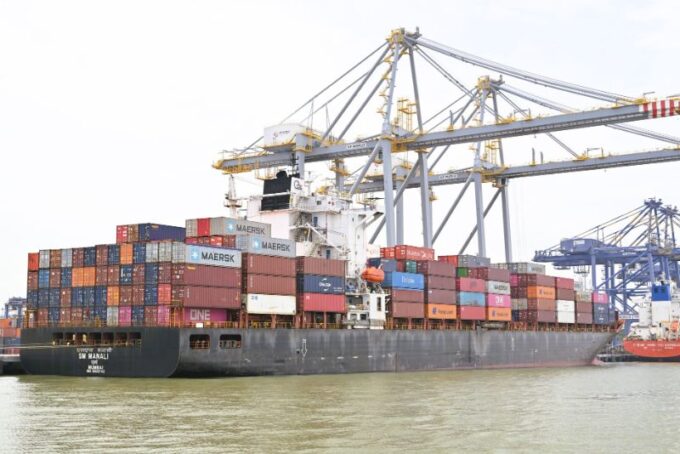
AIRIA’s leadership has pointed to oversupply on the global rubber market as a key factor depressing domestic natural rubber prices, even as international rubber futures have simultaneously rallied to their highest level since 2013 on Southeast Asian supply disruptions. The association argues that while raw material costs are rising for manufacturers, imports of finished rubber products such as tyres, industrial belts and molded rubber goods continue to undercut domestically produced items, creating a squeeze from both ends of the value chain.
Why Is AIRIA Pushing for Higher Import Duties Now?
Industry representatives say the current duty structure leaves Indian rubber goods manufacturers exposed to underpriced imports at a time when their own input costs — natural rubber, carbon black, and other petrochemical derivatives — are rising in line with global commodity trends. AIRIA has characterised the current arrangement as an inverted duty structure, where finished goods face lower effective protection than the raw materials that go into making them domestically, undermining the competitiveness of local manufacturing. The association has raised this issue in previous years as well, but argues the case has grown more urgent given 2026’s raw material cost pressures. India currently produces around 8 to 9 lakh tonnes of natural rubber annually against consumption that consistently outpaces domestic supply, forcing the country to rely on imports even for raw material, which further complicates the duty debate between growers, processors and importers.
What Does This Mean for India’s Rubber Manufacturing Sector?
A higher import duty on finished rubber products would primarily benefit domestic tyre, footwear and industrial rubber goods manufacturers by making imported competing products relatively more expensive, potentially allowing local producers to raise prices or protect market share. However, any duty increase could also raise costs for downstream industries and consumers who rely on imported rubber components, and could invite scrutiny from trading partners under India’s existing trade commitments. MSME rubber processors, who make up a large share of India’s rubber goods manufacturing base, are seen as the primary intended beneficiaries of the policy ask.
Market Reaction and Industry Response
The renewed push comes amid a broader set of policy engagements between AIRIA and the government on issues including import dependence, financing access for MSME rubber processors, and compliance readiness for global markets. Industry watchers note that similar duty-hike requests from rubber and other manufacturing sectors have had mixed success in recent budget cycles, with the government balancing domestic industry protection against inflation and trade relationship concerns. No formal government response or decision on rubber import duty has been announced as of mid-September 2026. Some processors have also called for a broader review of India’s rubber trade policy, including tariff structures on rubber chemicals and machinery, arguing that a piecemeal approach to duty changes fails to address the sector’s competitiveness challenges as a whole.
What Happens Next?
AIRIA is expected to continue raising the import duty issue through pre-budget consultations and direct engagement with the commerce and finance ministries in the coming months. Any decision would likely be considered as part of the broader Union Budget process, meaning manufacturers may not see a resolution until early 2027 at the earliest. In the meantime, the interplay between rising global raw rubber prices and continued import competition in finished goods is expected to remain a central concern for India’s rubber processing industry.
Frequently Asked Questions
What is AIRIA asking the government to do?
AIRIA has asked the government to raise import duties on finished rubber products, arguing that cheap imports are undercutting domestic manufacturers even as raw material costs rise.
Why does AIRIA say the current duty structure is unfair?
The association describes it as an inverted duty structure, where finished rubber goods face comparatively lower protection than the raw materials used to manufacture them in India.
Has the government responded to AIRIA’s import duty request?
As of mid-September 2026, no formal government decision on rubber import duty changes has been announced; the issue is expected to be raised again during pre-budget consultations.









Leave a comment