

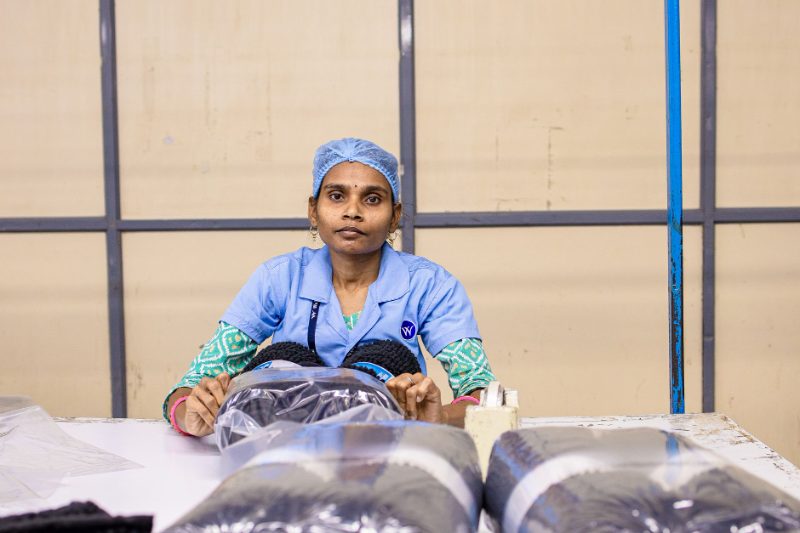
India’s Production Linked Incentive Scheme for the Food Processing Industry (PLISFPI) has emerged as a key driver of sector growth, with 165 applications approved across 274 project locations and government incentive disbursements crossing ₹2,000 crore. The scheme has created an estimated 3.39 lakh direct and indirect jobs, surpassing its original target of 2.5 lakh jobs ahead of schedule.
Launched by the Ministry of Food Processing Industries, PLISFPI runs over a six-year period from FY 2021-22 to FY 2026-27 with a total outlay of ₹10,900 crore. Of the 165 approved applications, 128 companies are participating across the 274 units, with strong representation from micro, small and medium enterprises, including 68 MSME beneficiaries who have benefited from the scheme’s simplified entry norms.
Why Has the PLI Scheme Become Central to India’s Food Processing Growth?
Beneficiaries under the scheme have reported cumulative investments exceeding ₹920 crore, translating directly into new processing capacity for ready-to-cook foods, marine products, dairy, and millet-based products. Government data shows sales of PLI-supported products rose 10.58% year-on-year as of April 2026, while export sales of the same products grew 7.41%, reflecting stronger overseas demand for India-processed food.
What Does This Mean for Millet and Value-Added Food Segments?
One of the clearest gains has come in millet-based products, where sales jumped from around ₹345 crore in 2022-23 to roughly ₹1,845 crore in 2024-25, a more than fivefold increase. The surge aligns with India’s broader push to position millets as a health-focused export category following the International Year of Millets. Processing companies backed by PLI funding have used the incentive to set up dedicated millet processing lines, moving the segment from a niche category to a mainstream export product.
Market Reaction and Industry Response
Industry associations have credited the scheme with unlocking capital that smaller processors previously could not access, given the high upfront cost of food-grade machinery. MSME participants in particular have pointed to the scheme’s role in helping them meet export-quality certification standards, which had earlier kept many small processors confined to domestic markets. The Ministry has indicated it will continue tracking scheme performance closely as it approaches its FY2026-27 conclusion.
What Happens Next?
With the scheme’s six-year window closing at the end of FY2026-27, the Ministry of Food Processing Industries is expected to publish a comprehensive performance review and consider whether a successor scheme is needed to sustain the investment momentum. Industry watchers expect the upcoming Anuga FoodTec India 2026 event in Mumbai to feature several PLI-backed companies showcasing new processing lines built with scheme incentives.
Frequently Asked Questions
What is the PLISFPI scheme?
The Production Linked Incentive Scheme for Food Processing Industry is a ₹10,900 crore central government scheme running from FY2021-22 to FY2026-27, designed to boost investment, exports, and employment in India’s food processing sector.
How many jobs has the PLI food processing scheme created?
The scheme has created approximately 3.39 lakh direct and indirect jobs, exceeding its original target of 2.5 lakh jobs set for 2026-27.
Which food segment has grown the most under the PLI scheme?
Millet-based products have seen the sharpest growth, with sales rising from about ₹345 crore in 2022-23 to around ₹1,845 crore in 2024-25.








Leave a comment