

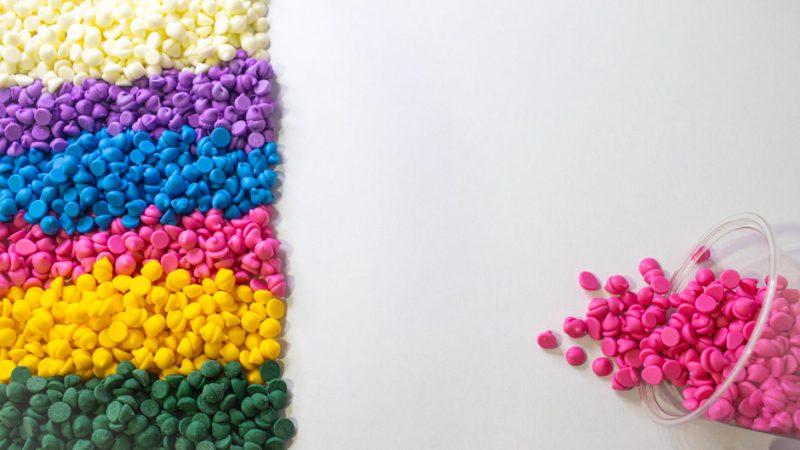
Reliance Industries (RIL) and Indian Oil Corporation (IOC) implemented fresh polymer price revisions effective September 11, 2026, marking the latest polymer price hike India has seen this year. RIL raised LDPE extrusion coating grade prices by Rs 8,000 per metric tonne, while LD milk packaging and injection moulding grades rose by Rs 3,000/MT and all other LD grades increased by Rs 2,000/MT.
IOC Polymer followed with its own revision on the same date, lifting PP-Raffia, TQPP, BOPP and PP-ICP grades by Rs 3,000/MT and PP-IM and PP-F&F grades by Rs 4,000/MT. The near-simultaneous moves by two of India’s largest polymer producers signal a coordinated response to rising feedstock costs rather than an isolated pricing decision by a single player.
Why Did RIL and IOC Raise Polymer Prices in September 2026?
The polymer price hike India producers announced this month comes against a backdrop of a challenging year for the plastics industry, which has been navigating a combination of rising oil prices, labour shortages and tariff uncertainty through 2026. Since polyethylene and polypropylene are derived from naphtha and other crude-linked feedstocks, upstream cost pressure on RIL and IOC’s refining and petrochemical operations tends to flow directly into resin pricing.
Global overcapacity in polyethylene, polypropylene and other olefins has kept margins under pressure for producers worldwide through much of 2026, making periodic price corrections necessary for domestic majors to protect their petrochemical segment profitability even as recovery in the broader chemical cycle remains gradual.
What Does This Mean for India’s Plastics Industry?
For converters, packaging companies and injection moulders that rely on LDPE and PP as core raw materials, the September price revision directly raises input costs at a time when many downstream manufacturers are already operating on thin margins. Packaging companies using LD milk packaging film grades and automotive or consumer goods makers relying on PP-IM grades will likely see the sharpest cost impact given the larger per-tonne increases in those categories.
Smaller converters with less pricing power than large FMCG or automotive customers may find it harder to pass these increases downstream immediately, potentially compressing their margins in the near term. Industry watchers note that resin price movements from RIL and IOC typically set the benchmark that other regional suppliers and importers follow within days.
Market Reaction and Industry Response
Polymer trading circles reacted to the announcement with expectations that secondary converters would attempt to pass on at least part of the increase to their own customers in the coming weeks. Industry bodies representing plastics processors have previously flagged rising input costs as one of several pressure points for the sector in 2026, alongside currency volatility and global trade uncertainty affecting export-oriented plastics manufacturers.
Some market participants pointed out that with global crude prices remaining elevated, further resin price adjustments before the end of the fiscal year cannot be ruled out, particularly if refining margins come under additional strain.
What Happens Next for India’s Polymer Market?
Converters and traders will be watching whether other domestic and imported polymer suppliers follow RIL and IOC’s lead in the coming days, which would confirm a broader market-wide price reset rather than a producer-specific move. Attention will also turn to how downstream demand, particularly from packaging and construction-linked plastics applications, absorbs the higher costs heading into the last quarter of the calendar year.
Frequently Asked Questions
How much did RIL raise LDPE prices in September 2026?
RIL raised LD extrusion coating grade prices by Rs 8,000/MT, LD milk packaging and injection moulding grades by Rs 3,000/MT, and all other LD grades by Rs 2,000/MT, effective September 11, 2026.
Did IOC also raise polymer prices this month?
Yes, IOC Polymer raised PP-Raffia, TQPP, BOPP and PP-ICP grade prices by Rs 3,000/MT, and PP-IM and PP-F&F grades by Rs 4,000/MT, effective the same date as RIL’s revision.
Why are polymer prices rising in India in 2026?
Polymer prices are rising due to elevated crude-linked feedstock costs and continued margin pressure on petrochemical producers, compounded by a broader challenging year for the plastics industry marked by rising oil prices and tariff uncertainty.








Leave a comment