

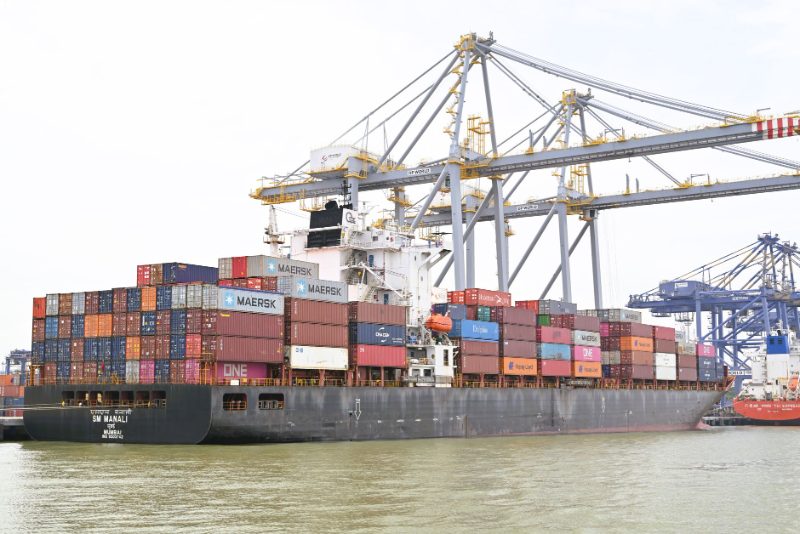
India’s government has ruled out any near-term change to the rubber import duty India currently applies, holding the natural rubber import tax at 25% or Rs 30/kg, whichever is higher, even as the All India Rubber Industries Association (AIRIA) continues to press for relief. A senior commerce department official said there is “no rethink on reducing import duty as of now,” reaffirming a stance that has held steady despite mounting pressure from downstream rubber goods manufacturers.
At the same time, the government has increased financial assistance for the rubber sector by 23% to Rs 708.69 crore for FY25 and FY26, an increase officials frame as sufficient support for the industry without resorting to a duty cut that domestic growers strongly oppose.
Why Is the Rubber Import Duty India Debate Intensifying Now?
The dispute has sharpened as natural rubber prices have surged to a multi-year high near Rs 250/kg, driven by tightening global supply from top producers Indonesia and Thailand. AIRIA argues that with domestic prices already elevated, maintaining a high import duty on natural rubber only adds to the cost burden facing tyre makers and rubber goods manufacturers who depend on imports to cover India’s roughly 550,000-tonne annual production deficit.
AIRIA has separately flagged that lower duty on finished Chinese rubber products, relative to raw material imports, effectively “encourages dumping” of finished goods into the Indian market, creating an uneven playing field for domestic rubber product manufacturers competing against cheaper imported finished items.
What Does This Mean for India’s Rubber Industry?
The standoff highlights a structural tension within India’s rubber import duty India policy framework: domestic natural rubber growers benefit from higher import duties that keep local prices firm, while downstream manufacturers—including tyre makers—want duty relief to offset high global prices. The government’s decision to increase financial assistance rather than cut duties suggests it is trying to support growers directly while leaving the price mechanism for manufacturers largely unchanged.
Notably, some tyre makers have publicly opposed calls for a natural rubber import duty hike, wary that further increases would raise their raw material costs even more, illustrating that the industry itself is divided on the right policy response.
Market Reaction and Industry Response
AIRIA has reiterated its call for the government to lift the import duty on natural rubber and avoid new restrictions on compound rubber imports, while also urging higher duties specifically on finished rubber products to protect domestic producers from what it describes as import dumping. Tyre manufacturers, meanwhile, have generally resisted proposals for a duty hike on raw natural rubber, given the direct impact on their input costs.
The government’s position, delivered through commerce department officials, appears designed to avoid unsettling either camp by keeping the duty structure unchanged while directing additional budgetary support to the sector.
What Happens Next in India’s Rubber Duty Debate?
With natural rubber prices expected to stay elevated through the rest of 2026 amid continued global supply tightness, pressure from AIRIA and downstream manufacturers for duty relief is likely to persist. Whether the government revisits its stance will depend partly on how sustained the price rally proves to be and on political considerations tied to rubber-growing states, where any duty cut could face strong opposition from farmer groups.
Frequently Asked Questions
What is the current import duty on natural rubber in India?
India currently applies a 25% import duty or Rs 30/kg, whichever is higher, on natural rubber imports, and the government has said there is no plan to reduce this rate.
Why does AIRIA want the rubber import duty reduced?
AIRIA argues that with domestic natural rubber prices already at multi-year highs, a high import duty adds further cost pressure on tyre and rubber goods manufacturers who rely on imports to cover India’s production deficit.
How is the government supporting the rubber sector instead of cutting duty?
The government has raised financial assistance for the rubber sector by 23% to Rs 708.69 crore for FY25 and FY26, aiming to support growers without altering the import duty structure.








Leave a comment