

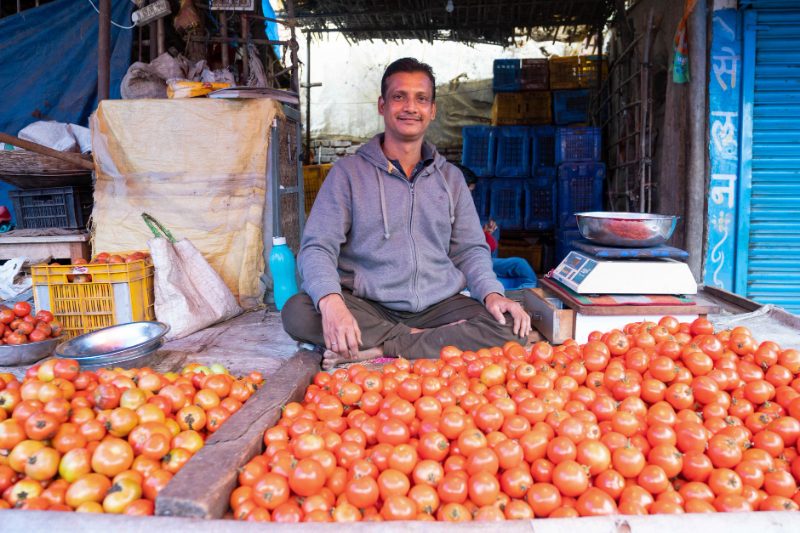
Better food-processing infrastructure can help Mizoram’s organic fruits and vegetables reach markets across India and overseas at significantly higher prices, Union Minister of State Raksha Khadse said during a two-day review visit to the state on September 15-16, 2026. Her remarks put fresh political weight behind the push to scale up the Mizoram food processing sector, a state whose horticulture output has long been constrained by limited cold storage and processing capacity.
Khadse chaired district-level review meetings in Saitual and Kolasib during her visit, examining the implementation of central government schemes tied to agriculture, horticulture, food processing and rural development. Officials from the two districts presented updates on ongoing infrastructure projects, and the minister urged faster execution of schemes meant to link local farmers with formal supply chains. The visit comes as India’s broader food processing industry, valued at roughly $535 billion in FY2026, works toward raising the national processing level from 16-17 percent to a targeted 25-30 percent by 2030.
Why Does Mizoram Need Better Food Processing Facilities?
Mizoram’s hilly terrain and organic farming practices produce fruits such as passion fruit, mandarin oranges and Mizo chilli, alongside a range of vegetables, largely without chemical inputs. Without adequate cold chains and processing units close to farms, a significant share of this produce is sold raw at low prices or spoils before reaching distant markets. Khadse said processing facilities that clean, grade, pack and preserve this produce would let Mizoram’s farmers sell higher-value, shelf-stable products instead of raw crops, directly lifting farmgate incomes. She also linked the food-processing push to broader development priorities discussed at the review meetings, including youth engagement and the Nasha Mukt Bharat Abhiyaan substance-abuse prevention campaign.
What Does This Mean for India’s Wider Food Processing Push?
Mizoram’s case reflects a pattern playing out across India’s north-eastern states, where the Ministry of Food Processing Industries has been directing incentives under schemes such as the Pradhan Mantri Kisan SAMPADA Yojana toward cold-chain and mega food park infrastructure. As of March 2026, 408 integrated cold-chain projects had been approved nationally under the scheme, with 300 already completed. Extending this infrastructure into smaller north-eastern markets is seen by industry bodies as essential if India is to meet its target of nearly doubling processing levels by the end of the decade, since a large share of unrealised value currently sits in regions with strong organic output but weak processing access.
Market Reaction and Industry Response
While Mizoram’s food processing sector is too small to move national commodity prices, industry groups such as FICCI have repeatedly flagged the north-east as an underused sourcing base for organic and specialty foods aimed at premium domestic and export markets. Processors and exporters dealing in specialty produce have welcomed ministerial attention to the region, noting that consistent government follow-through on cold-chain funding, rather than one-off announcements, will determine whether Mizoram’s organic output can be commercialised at scale.
What Happens Next?
Khadse’s review meetings are expected to feed into funding and implementation decisions for pending food-processing and agriculture infrastructure projects in Saitual and Kolasib districts. With Anuga Select India and Anuga FoodTec India 2026 scheduled for September 29 to October 1 in Mumbai, industry watchers expect north-eastern sourcing and processing gaps to feature in discussions among food-processing machinery makers and investors evaluating India’s next wave of capacity additions.
Frequently Asked Questions
Why is Mizoram’s food processing sector attracting central government attention?
Mizoram produces significant volumes of organic fruits and vegetables but lacks adequate cold storage and processing infrastructure, which limits farmers’ ability to access distant, higher-paying markets.
What schemes support food processing infrastructure in north-east India?
The Pradhan Mantri Kisan SAMPADA Yojana and the Production Linked Incentive Scheme for Food Processing Industry (PLISFPI) fund cold-chain, mega food park and processing capacity across India, including north-eastern states.
How big is India’s food processing industry currently?
India’s food processing industry is valued at approximately $535 billion in FY2026, with the government aiming to raise the processing level from 16-17 percent to 25-30 percent by 2030.








Leave a comment