

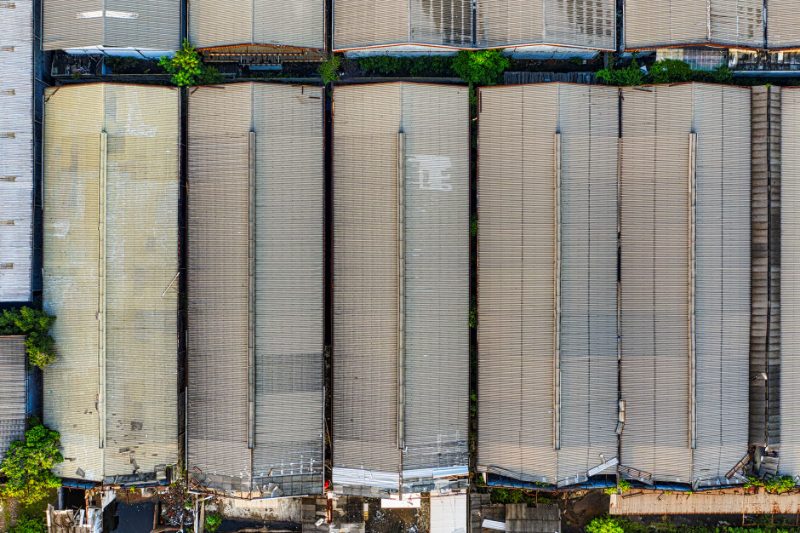
Systematic substrate compatibility testing reveals primer and coating combinations delivering maximum service life.
A systematic study of primer and topcoat adhesion performance across TPO (thermoplastic polyolefin) and EPDM (ethylene propylene diene monomer) roofing membrane substrates is providing new data for industrial roof coating specification. These two synthetic membrane types dominate the industrial and commercial flat roofing market globally; their distinct surface energy characteristics require different primer chemistries to achieve coating adhesion meeting industry service life requirements.
Key findings indicate that solvent-borne modified epoxy primers outperform waterborne alternatives on aged EPDM by approximately 35% in peel adhesion testing. On TPO substrates, corona-discharge surface treatment prior to primer application increases coating adhesion by 50–60% — data with direct application to Indian industrial rooftop coating specification for food processing, pharmaceutical, and logistics centre facilities.
Industry Implications and Market Context
Indian industrial roofing is a growing coating segment as logistics and e-commerce warehousing expands, requiring large-format flat roof coating. Primer-substrate compatibility specification is becoming a commercial differentiator for manufacturers serving this segment.
What Happens Next?
Watch for BIS IS standards on industrial roof coating adhesion requirements to be updated based on international test data. FICCI’s Construction Materials Division is tracking these specifications.
Frequently Asked Questions
What is the difference between TPO and EPDM roofing membranes?
TPO is a thermoplastic polyolefin membrane, typically white, heat-weldable, and increasingly popular for its cool roof properties. EPDM is a thermoset rubber membrane, typically black, known for durability and flexibility in extreme climates. Both are widely used for industrial and commercial flat roofing.
Why do primer specifications matter for industrial roof coatings?
Incorrect primer choice results in premature adhesion failure — the topcoat peeling or blistering within 2–3 years rather than achieving the specified 10–15 year service life. Proper substrate-specific primers are the single most critical variable in industrial roof coating performance.
Where can I find more information?
The National Roofing Contractors Association (NRCA), Single Ply Roofing Industry (SPRI), and Indian Paint Association (IPA) publish technical guidance on industrial roof coating specification.












Leave a comment