

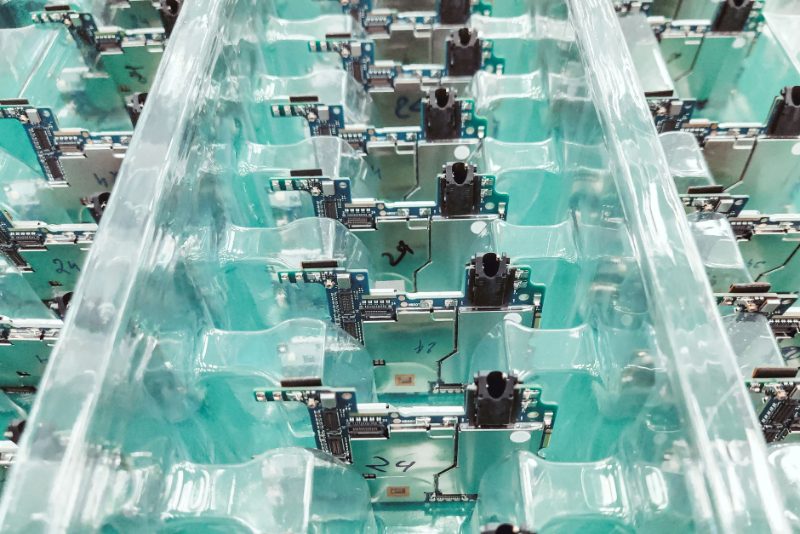
The Union Cabinet approved the Semicon 2.0 scheme with an outlay of ₹1.275 lakh crore on July 17, 2026, alongside the Mobile Phone Manufacturing Scheme (MPMS) worth ₹62,500 crore and the National Investment Policy for Urea-2026, taking the combined package to ₹2.19 lakh crore. The decisions mark one of the largest single-day investment approvals for India’s electronics and chemical manufacturing base this fiscal year.
The Cabinet Committee on Economic Affairs, chaired by Prime Minister Narendra Modi, cleared seven proposals in total, spanning semiconductor design and fabrication, mobile handset production, fertiliser self-reliance, and railway infrastructure. MPMS will run from FY 2026-27 to FY 2030-31, succeeding the Production Linked Incentive Scheme for Large Scale Electronics Manufacturing (PLI-LSEM), whose tenure ended on March 31, 2026, and targets cumulative mobile phone production worth roughly ₹39 lakh crore over five years.
What Does the Semicon 2.0 Scheme Cover?
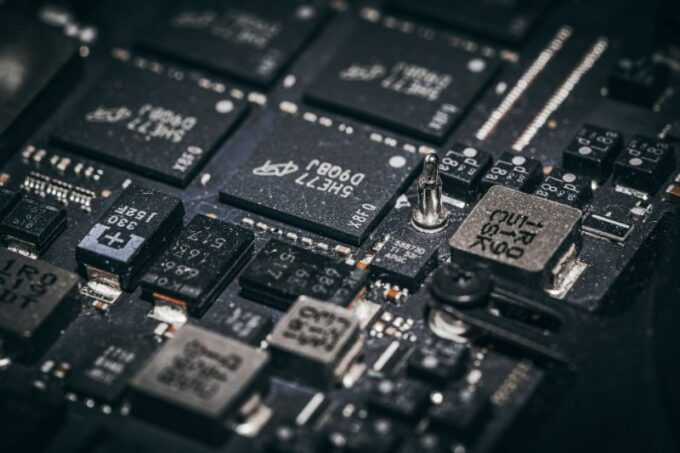
Semicon 2.0 extends the government’s semiconductor mission with ₹1.275 lakh crore earmarked for chip design, fabrication units, and outsourced semiconductor assembly and test (OSAT) facilities. The scheme builds on the original Semicon India Programme and aims to widen incentives beyond large fabs to compound semiconductors, display fabs, and specialised chip packaging, positioning India as an alternative node in the global semiconductor supply chain.
How Will MPMS Replace the PLI Scheme for Mobile Manufacturing?
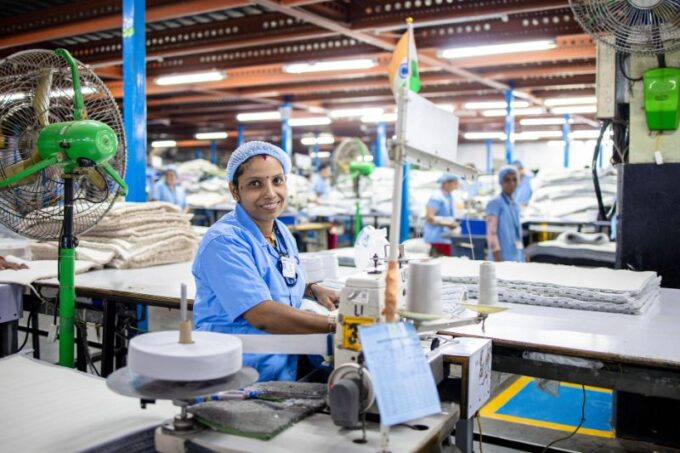
MPMS carries a budgetary outlay of ₹62,500 crore and is designed to succeed PLI-LSEM. Unlike the earlier scheme’s flat production-linked payouts, MPMS is expected to weight incentives toward component manufacturing and value addition within India, addressing criticism that the PLI scheme mostly rewarded assembly rather than deep manufacturing. The scheme covers FY 2026-27 through FY 2030-31.
What Do Industry Bodies Say About the Urea Investment Policy?
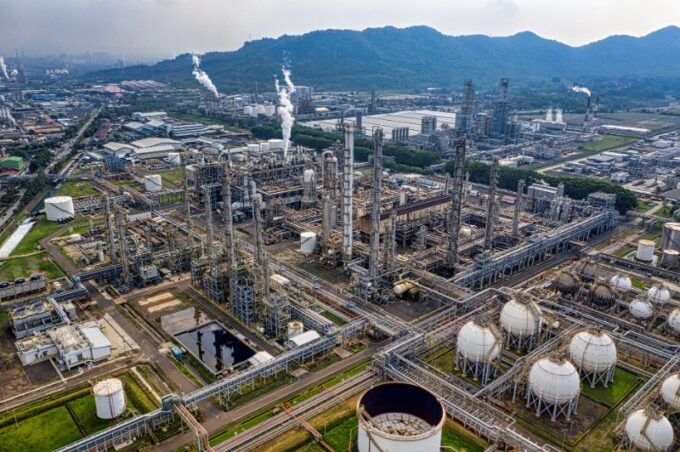
The National Investment Policy for Urea-2026 aims to make India self-reliant in urea production, reducing dependence on subsidised imports that have strained the fertiliser subsidy bill in recent years. Industry bodies such as CII and FICCI have previously flagged import dependence on urea as a fiscal risk, and the new policy is expected to incentivise brownfield capacity expansion and new gas-based urea plants.
Market and Trade Reaction
Shares of domestic semiconductor and electronics manufacturing services companies gained in early trade following the Cabinet announcement, tracking expectations of fresh order flows. Fertiliser sector stocks also saw buying interest on hopes of policy-linked capacity expansion. Global chipmakers evaluating India as a manufacturing base are likely to factor the enhanced Semicon 2.0 outlay into site-selection decisions over the coming quarters.
What Happens Next?
The Ministry of Electronics and Information Technology is expected to notify detailed scheme guidelines and application windows for both Semicon 2.0 and MPMS in the coming weeks. Companies interested in urea capacity expansion will need to await notified norms from the Department of Fertilisers. Implementation progress is likely to be reviewed in the next Cabinet Committee on Economic Affairs meeting.
Frequently Asked Questions
What is the total outlay approved under the Semicon 2.0 scheme?
The Union Cabinet approved ₹1.275 lakh crore for Semicon 2.0 on July 17, 2026, as part of a combined ₹2.19 lakh crore package that also includes the Mobile Phone Manufacturing Scheme and the Urea Investment Policy.
What replaces the PLI scheme for mobile phone manufacturing?
The Mobile Phone Manufacturing Scheme (MPMS), with a ₹62,500 crore outlay running from FY 2026-27 to FY 2030-31, succeeds the PLI-LSEM scheme, which concluded on March 31, 2026.
Why did the government introduce a new Urea Investment Policy?
The National Investment Policy for Urea-2026 is intended to reduce India’s reliance on imported urea and encourage domestic capacity addition, helping contain the fertiliser subsidy burden over the medium term.










Leave a comment