

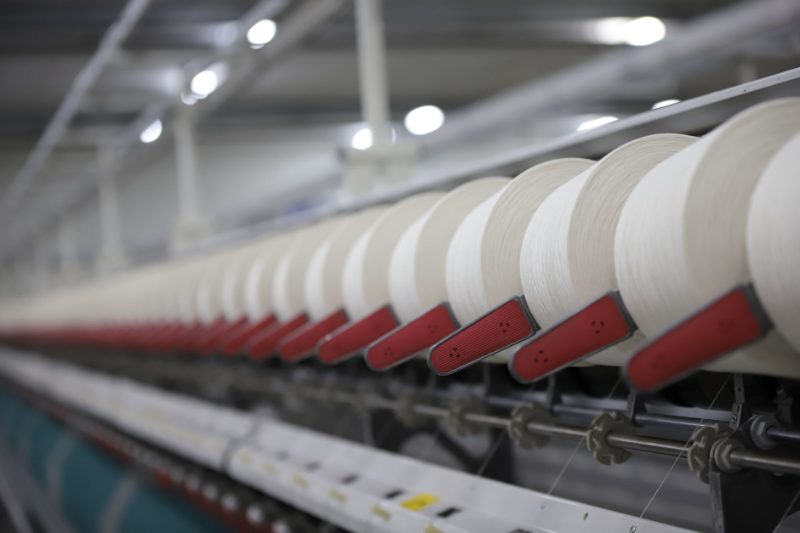
Shares of Indian textile companies including Raymond, Raymond Lifestyle, Welspun Living and KPR Mill rallied this week after reports emerged that the central government may extend the customs duty exemption on raw cotton imports beyond its scheduled October 31, 2026 expiry, potentially until December. The policy move, reported on September 10, 2026, is expected to ease elevated input costs for textile manufacturers grappling with tight cotton supplies.
The potential extension comes alongside a separate boost for the sector: global brokerage Jefferies initiated coverage on Welspun Living with a “Buy” rating and a price target of ₹260 per share, and on Raymond Lifestyle with a “Buy” call and a target of ₹900 per share, citing a structural growth phase for India’s textile industry.
Why Is the Cotton Duty Exemption Extension Important for Textile Makers?
Indian textile manufacturers have faced elevated input costs through 2026 as raw cotton prices remained firm, squeezing margins across spinning and weaving operations. Extending the customs duty exemption beyond October 31 would keep import costs lower for mills that rely on foreign cotton to supplement domestic supply, providing what analysts describe as meaningful relief to manufacturers “grappling with elevated input costs.” The policy uncertainty itself had kept textile stocks including Arvind Ltd and Vardhman Textiles trading with mixed sentiment in recent sessions.
What Does This Mean for India’s Textile Industry?
According to Jefferies, India’s textile sector is entering a structural growth phase driven by the global shift in sourcing away from China and improved tariff competitiveness following free trade agreements with the United Kingdom and the European Union. The India-UK Free Trade Agreement entered into force on July 15, 2026, and is expected to create a meaningful revenue and margin differential for exporters starting from the July quarter. Jefferies projects Welspun Living’s revenue to grow at a 14 percent CAGR between FY26 and FY29, with EBITDA and profit after tax growing at 38 percent and 71 percent CAGRs respectively as margins recover.
Market Reaction and Industry Response
Rachit Khandelwal, Head of Research and Investor Education at BNK Capital, said KPR Mill could be bought for a target of ₹1,200-1,224, with potential to extend to ₹1,360-1,400 over one-and-a-half to two months if it breaks through resistance. For Raymond Lifestyle, Jefferies cited an attractive risk-reward profile supported by leadership in branded textiles and potential apparel business recovery, projecting 23 percent CAGR earnings-per-share growth through FY29 while the stock trades at roughly six times one-year forward EV/EBITDA. Welspun Living’s return on capital employed is expected to improve by around 13 percentage points to 19 percent as operating performance recovers.
What Happens Next?
Textile industry participants and investors will be watching for the government’s formal notification on the cotton duty exemption extension, expected ahead of the current October 31 deadline. Attention will also turn to how quickly companies like Welspun Living and Raymond Lifestyle can convert improved export competitiveness from the UK and EU trade agreements into revenue growth over the coming quarters, alongside continued monitoring of global cotton sourcing shifts away from China.
Frequently Asked Questions
Why are textile stocks like Welspun and Raymond rallying?
Textile stocks rallied on reports that India may extend its customs duty exemption on raw cotton imports beyond October 31, 2026, easing input costs, combined with fresh Jefferies “Buy” ratings on Welspun Living and Raymond Lifestyle.
What price targets did Jefferies set for textile stocks?
Jefferies set a price target of ₹260 for Welspun Living and ₹900 for Raymond Lifestyle, both with “Buy” ratings, citing India’s structural textile growth story and improving tariff competitiveness.
How does the India-UK trade deal affect textile exporters?
The India-UK Free Trade Agreement, in force since July 15, 2026, improves tariff competitiveness for Indian textile exporters, with analysts expecting a meaningful positive impact on revenue and margins starting from the July quarter.










Leave a comment