

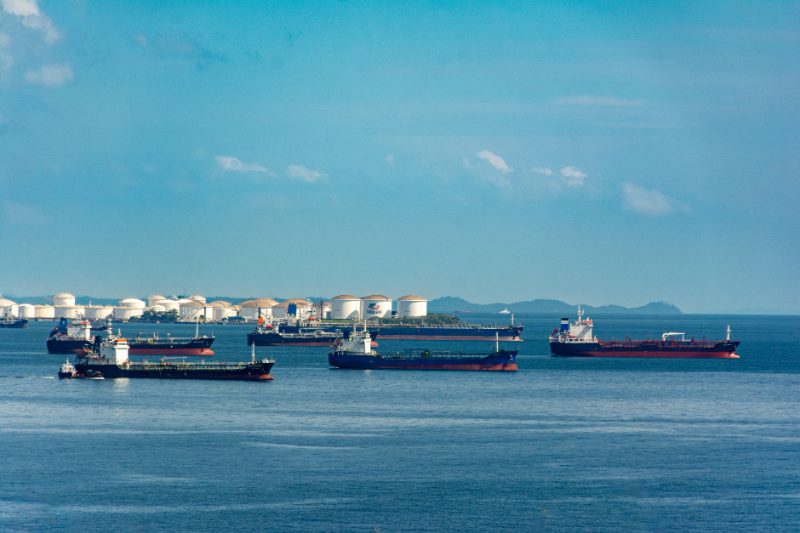
Crude oil prices fell to $76.66 per barrel on August 4, 2026, down 4.58% from the previous session, as markets responded to renewed US-Iran negotiations over fully reopening the Strait of Hormuz. Oil had risen toward $81 per barrel a day earlier but held on to most of its decline as investors weighed signs of a possible easing in Middle East supply tensions.
President Donald Trump said his proposal for talks represents “Tehran’s final opportunity” to strike a deal and expressed confidence that the Strait of Hormuz would reopen soon. Iran, however, denied that direct talks with the US are underway, though it confirmed that discussions with Oman aimed at increasing shipping through the strait are progressing. The Strait of Hormuz is a critical chokepoint for global oil trade, carrying roughly a fifth of the world’s seaborne crude.
How Does the Hormuz Standoff Affect India’s Oil Import Bill?
India is the world’s third-largest crude importer and is directly exposed to any sustained rise in oil prices, even though it does not import crude from Iran itself. Iraq, Saudi Arabia and the UAE remain among India’s largest crude sources after Russia, meaning any escalation around the Strait of Hormuz would primarily hit India through higher global benchmark prices and elevated risk premiums, rather than a direct supply cut. A sustained fall toward the $76-77 range, as seen on August 4, would ease pressure on India’s import bill and current account if it holds.
What Do Analysts Say About the Oil Price Outlook?
Energy market analysts say the pullback in crude reflects cautious optimism that a Hormuz de-escalation could remove one of the year’s key tail risks for global trade, even as Iran’s denial of direct US talks introduces uncertainty into the timeline. Petroleum ministry officials in India have previously said that even during periods of Iran-Israel tension, the country’s overall crude and LNG supplies have remained healthy, reducing the odds of an immediate physical disruption to Indian refiners.
Market and Trade Reaction
Global equity markets took the oil pullback in stride, with the S&P 500 closing at 7,600.50, up 1.48%, its highest level since early June, as a tech-led rally pushed the index near record highs. Spot gold rose 0.57% to $4,059 an ounce, supported by a slightly softer US 10-year Treasury yield, reflecting investors balancing safe-haven demand against improving risk appetite. For India, easing crude prices would be a modest tailwind for the rupee and for import-dependent sectors including fertilisers, aviation and petrochemicals.
What Happens Next?
Markets will watch for confirmation of any formal US-Iran agreement on Hormuz shipping access, as well as the US ISM Services PMI reading due Wednesday, which is expected to stay expansionary and could influence Federal Reserve rate-cut timing. Continued progress in Oman-mediated talks would be the clearest signal of durable de-escalation, while any breakdown in negotiations could quickly reverse Tuesday’s price relief.
Frequently Asked Questions
Why did crude oil prices fall on August 4, 2026?
Crude fell to $76.66 per barrel as markets reacted to renewed US-Iran negotiations over reopening the Strait of Hormuz, easing fears of a prolonged Middle East supply disruption.
How does the Strait of Hormuz situation affect India?
India does not import crude from Iran directly, but as the world’s third-largest crude importer it is exposed to any global price spike caused by tensions around the strait, which carries about a fifth of the world’s seaborne oil.
Are the US and Iran in direct talks over Hormuz?
The US has proposed talks, but Iran has denied direct negotiations are underway, while confirming that Oman-mediated discussions on increasing shipping through the strait are progressing.









Leave a comment