

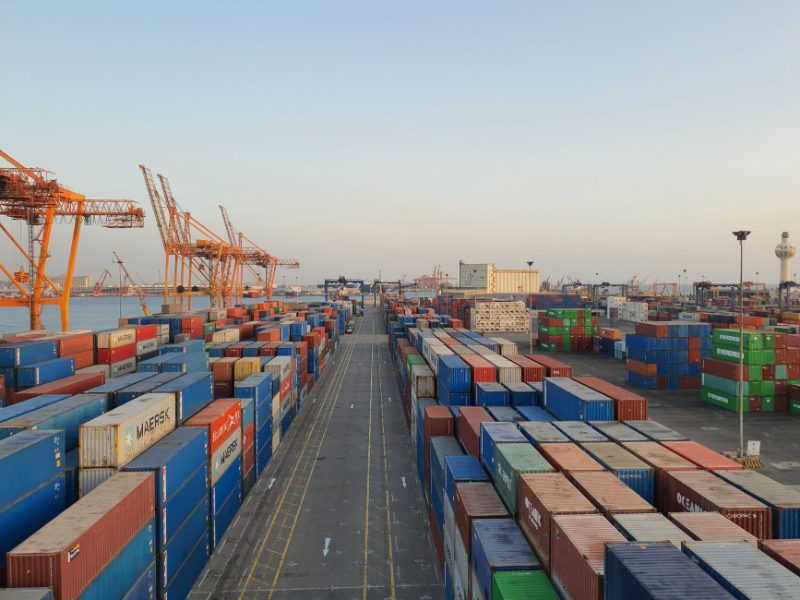
A 35% US tariff on Canadian goods took effect on August 1, 2026, marking a sharp escalation in the trade tensions between the two North American neighbours. The move adds to existing US tariffs on Canadian steel, aluminium and copper, which already range from 15% to 50%, while Canada maintains its own 25% counter-tariff on select American steel, aluminium and vehicle imports.
The new tariff is part of a broader wave of US trade actions in 2026, with additional tariff proclamations set to take effect at 12:01 AM EST on August 19, when the US Trade Representative’s office is also enacting 10-12.5% ad valorem duties on goods from 60 countries over concerns about forced-labour production and shipping practices. Trade analysts say the pace of new US tariff actions is reshaping global supply chains faster than most exporters can adjust.
How Does the US-Canada Tariff Escalation Affect Global Supply Chains?
The 35% tariff on Canada directly raises costs for US importers of Canadian steel, aluminium, energy and manufactured goods, and is expected to push some American buyers toward alternative suppliers in Asia, including India, for select categories. However, trade economists caution that global trade growth is expected to slow in 2026 as the full impact of higher tariffs is felt for a complete year, meaning any near-term gain for third-country exporters could be offset by weaker overall global demand.
What Do Trade Economists and Industry Bodies Say?
Trade researchers tracking the 2026 tariff cycle describe the current period as “a system under construction,” with the US using tariffs as an active instrument of trade policy rather than a one-time correction. Industry groups in tariff-affected sectors have urged governments to diversify export markets and accelerate free trade agreement negotiations to reduce dependence on any single, increasingly unpredictable trade relationship with the United States.
Market and Trade Reaction
Currency and commodity markets have shown measured reactions to the Canada tariff hike, with steel, aluminium and copper prices facing renewed volatility as traders price in reduced US-Canada flows. For India, which secured a reduced 18% US tariff rate earlier in 2026 following a bilateral trade deal, the widening US tariff net on other trading partners could open incremental opportunities in categories like metals, auto components and select manufactured goods, though exporters are watching closely for any broader US tariff revisions that could affect India as well.
What Happens Next?
The next major trigger in the US tariff calendar is August 19, 2026, when new ad valorem duties on 60 countries take effect over forced-labour supply chain concerns. Canada is expected to pursue further countermeasures or seek renewed negotiations with Washington, while other US trading partners, including India, will be watching for any signal of additional tariff proclamations that could reshape competitive dynamics across steel, textiles and electronics through the rest of 2026.
Frequently Asked Questions
When did the US impose a 35% tariff on Canada?
The 35% US tariff on Canadian goods took effect on August 1, 2026, adding to existing tariffs on Canadian steel, aluminium and copper.
How is Canada responding to the US tariff hike?
Canada has maintained its own 25% counter-tariff on select American steel, aluminium and vehicle imports in response to escalating US trade measures.
Could the US-Canada tariff war benefit Indian exporters?
It could open incremental opportunities in categories like metals and manufactured goods, given India’s reduced 18% US tariff rate, though economists caution that slowing global trade growth may offset such gains.









Leave a comment