

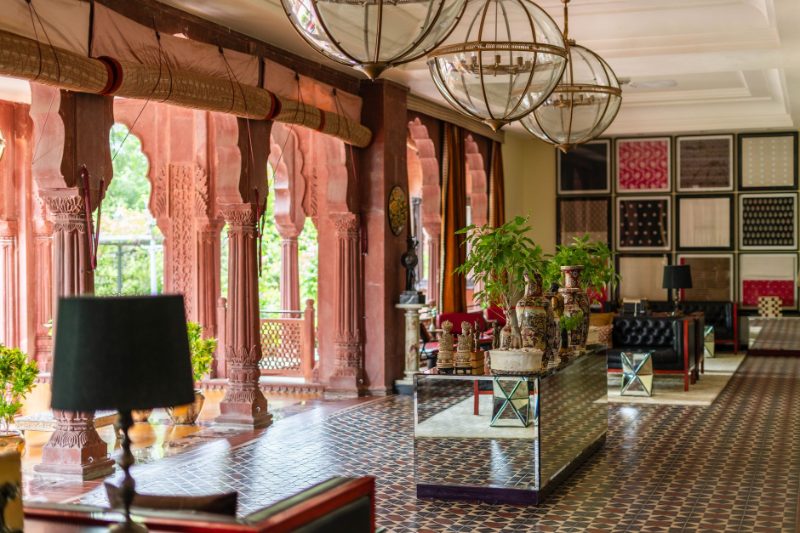
India’s hospitality sector is growing in 2026, but the shape of that growth looks markedly different from the pre-pandemic era of luxury-led expansion. Domestic tourist visits now account for over 85 to 90 per cent of total tourism volumes nationally, making Indian travellers, not international arrivals, the industry’s most reliable and resilient demand base. Hotel operators and industry analysts describe this as a structural shift rather than a temporary rebound, with implications for everything from room pricing to where new properties get built.
Short Trips Replace Long Vacations
A defining feature of the current travel pattern is the rise of short, frequent breaks over longer annual vacations. Most travellers now prefer two-to-three-day trips or weekend getaways, a shift industry executives attribute to time-pressed urban lifestyles and a preference for quick, low-commitment breaks rather than extended holidays that require significant advance planning and leave. This has changed how hotels think about inventory and pricing, with many properties now optimising for high-frequency weekend turnover rather than longer average stays.
Budget and Mid-Range Segments Lead Growth
Spending caution among Indian travellers is also reshaping which hotel categories are expanding fastest. Budget and mid-range hotels are growing at a faster clip than the luxury segment, as travellers increasingly opt for simple, affordable stays over expensive five-star experiences. This trend has been reinforced by the broader rise of experience-based travel, where guests are willing to spend more on activities, local food and unique experiences at a destination while economising on accommodation itself.
Tier-II and Tier-III Cities Take the Spotlight
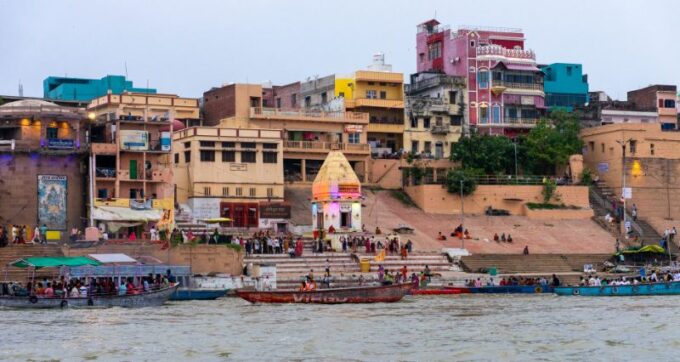
Perhaps the most consequential shift is geographic. Tier-II and Tier-III cities are emerging as key growth markets, benefiting from improved road, rail and air infrastructure alongside strong underlying demand for leisure, religious and business travel. Hotel operators collectively plan to build more than 70,000 new rooms by 2030, with a significant share of that new supply directed toward these smaller cities rather than the traditional metro-centric expansion strategy that dominated the previous decade.
A Year of Consolidation, Not Unchecked Expansion
Industry analysts are cautious about characterising 2026 as a boom year. Instead, it is being described as a period of stabilisation and measured growth, with industry revenues expected to rise at a moderate 8 to 10 per cent, reflecting sustained demand alongside a maturing, more disciplined approach to capacity addition. This measured pace stands in contrast to the aggressive room-count expansion strategies some chains pursued in earlier growth cycles, suggesting operators have learned from past cycles of overbuilding in select micro-markets.
Persistent Structural Challenges
Despite the positive demand story, the sector continues to grapple with structural constraints. The hospitality industry still lacks formal infrastructure status in India, a designation that would unlock cheaper financing and faster regulatory clearances for new projects, and its absence continues to hamper mid-scale hotel development in emerging and pilgrimage destinations specifically. The industry also faces a persistent workforce gap, with demand for skilled hospitality talent, from front-office staff to trained chefs, expected to keep outpacing supply through the remainder of the decade, a constraint that could ultimately limit how fast operators can actually open the tens of thousands of rooms currently in the pipeline.










Leave a comment