

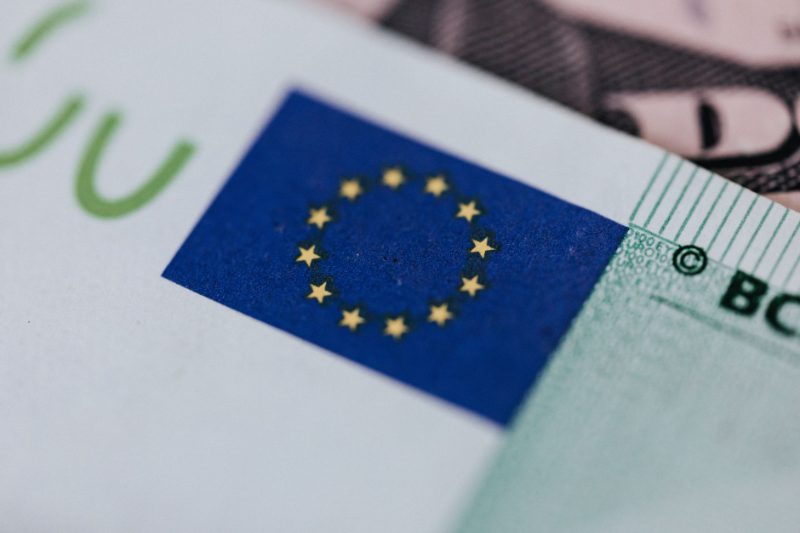
The European Commission on September 11, 2026 formally submitted the India-EU Free Trade Agreement to the EU Council for approval, moving what officials call the bloc’s largest-ever trade pact closer to signing. The India-EU FTA is set to eliminate or reduce tariffs on 96 percent of EU goods exported to India, unlocking an estimated 4 billion euro in annual duty savings for European exporters.
The submission follows the conclusion of FTA negotiations between India and the EU in January 2026, after which both sides worked through the legal scrubbing and translation process required before a deal can be presented for formal Council sign-off. Trade between the EU and India currently exceeds 180 billion euro annually and supports roughly 800,000 jobs within the European Union, underscoring the scale of the relationship the agreement seeks to deepen.
What Does the India-EU FTA Mean for Indian Exporters and Manufacturers?
Under the agreement, 97 percent of EU tariff lines will receive preferential access into the Indian market, while Indian exporters gain duty relief across a wide swath of goods entering the EU, including textiles, leather, engineering goods, chemicals and pharmaceuticals. Manufacturing sectors that have long complained of tariff disadvantages compared to competing exporters from Vietnam and Bangladesh in the EU market are expected to be among the first to benefit once the deal takes effect, though full implementation depends on the pact clearing the remaining approval stages.
What Do Trade Officials and Economists Say?
The European Commission has described the pact as the largest trade agreement the EU has ever concluded, reflecting years of negotiation that began in 2007 and were revived in 2022 after a prolonged hiatus. Trade economists tracking the file note that the agreement’s scale, covering goods, services and investment protection, makes it comparable in ambition to the EU’s deals with Japan and Canada, and expect it to reshape India’s position in European supply chains at a time when companies are actively diversifying away from China-dependent sourcing.
Market and Trade Reaction
Indian export-oriented sectors, particularly textiles, auto components and pharmaceuticals, have welcomed the Commission’s move as a signal that years of uncertainty around the deal’s timeline are nearing resolution. European industry bodies have similarly flagged the pact as a competitiveness boost for EU exporters of machinery, wines and spirits, and automobiles seeking better access to India’s market. Currency and equity market reaction has been modest so far, with analysts noting that the real economic impact will only materialise once the Council formally authorises signature and the European Parliament grants consent.
What Happens Next?
The Council must now approve the Commission’s proposal to sign and conclude the agreement, after which it moves to the European Parliament for consent, a process that can take several months. On the Indian side, ratification through the appropriate domestic procedures will also be required before the FTA enters into force. Trade officials on both sides have not committed to a firm implementation date, but the September 11 submission is being read as a signal that both parties intend to finalise the process within the current EU legislative cycle.
Frequently Asked Questions
What tariff relief does the India-EU FTA provide?
The agreement will eliminate or reduce tariffs on 96 percent of EU goods exported to India, while 97 percent of EU tariff lines will offer preferential access for Indian exports, saving European exporters an estimated 4 billion euro annually in duties.
When will the India-EU FTA come into force?
No firm date has been set. The pact still requires EU Council approval to sign, consent from the European Parliament, and ratification through India’s domestic procedures before it can enter into force.
How big is trade between India and the EU currently?
Trade between the EU and India exceeds 180 billion euro annually and supports approximately 800,000 jobs within the European Union, according to the European Commission.








Leave a comment