

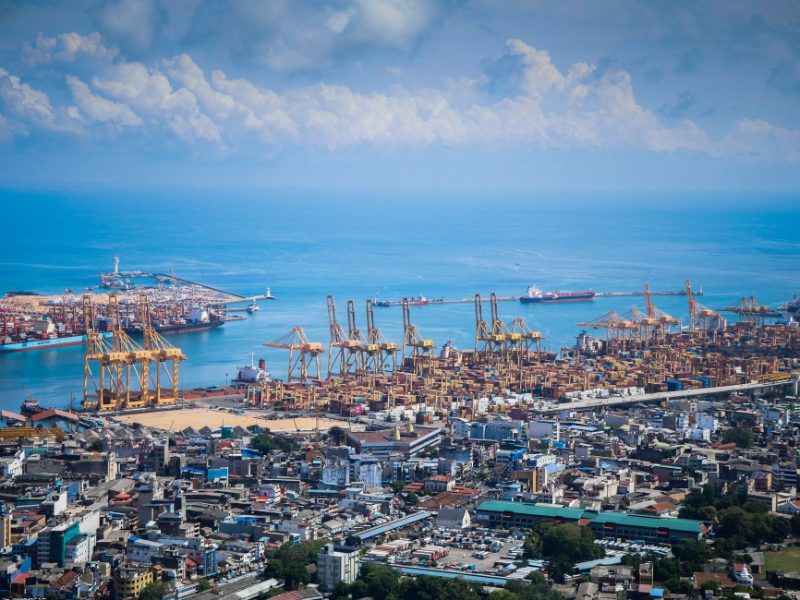
India has overtaken the United Kingdom to become Sri Lanka’s second-largest export destination in the January-April 2026 period, according to Sri Lanka’s Export Development Board. Exports from Sri Lanka to India reached $364.15 million in the four-month period, an 8.9% increase over the same period last year, with the United States remaining Sri Lanka’s largest export market.
The shift reflects deepening South Asian trade integration, with coconut-based products up 23.49% and value-added items like activated carbon posting strong growth in Sri Lankan shipments to India. Traditional export categories such as apparel, textiles and tea saw declines due to weaker demand from Western markets, even as April alone recorded a marginal 1.41% year-on-year dip in exports to India amid short-term fluctuations.
Why Did India Overtake the UK as Sri Lanka’s Export Destination?
India’s rise to Sri Lanka’s second-largest export market reflects a combination of reduced regional trade barriers, rising Indian consumption demand and closer economic cooperation between the two neighbours under existing bilateral trade frameworks. Coconut-based products and activated carbon led the growth, benefiting from India’s expanding industrial and consumer demand, while Sri Lanka’s traditional apparel, textiles and tea exports lost ground due to soft Western market demand.
What Do Trade Analysts Say?
Regional trade economists point to this shift as part of a broader pattern of India strengthening its position as a hub for South Asian trade, benefiting from proximity, lower logistics costs and growing consumption compared to more distant Western markets. Analysts note that while the US remains Sri Lanka’s top export destination by value, the India relationship is diversifying beyond traditional categories into value-added products, which typically carry better margins for Sri Lankan exporters than raw commodity shipments.
Market and Trade Reaction
Sri Lankan exporters in coconut-based and activated carbon segments are reporting improved order visibility from Indian buyers, while apparel and tea exporters face continued pressure to diversify beyond softening Western demand. On the Indian side, importers of coconut derivatives and activated carbon are benefiting from a reliable, geographically close supply source as India’s own industrial and consumer demand for these inputs continues to grow.
What Happens Next?
Sri Lanka’s Export Development Board is expected to publish full first-half 2026 trade data in the coming months, which will show whether the April dip was a temporary blip or the start of a slowdown in the India relationship. Trade watchers should track whether coconut-based and activated carbon export growth can offset continued weakness in apparel and tea, the two categories most exposed to Western demand cycles.
Frequently Asked Questions
How much did Sri Lanka export to India in early 2026?
Sri Lanka exported $364.15 million worth of goods to India between January and April 2026, an 8.9% increase over the same period the previous year, making India the second-largest export destination.
Which Sri Lankan export categories are growing fastest to India?
Coconut-based products grew 23.49% and value-added items like activated carbon posted strong gains, while traditional exports such as apparel, textiles and tea declined due to weak Western demand.
Is the US still Sri Lanka’s largest export market?
Yes, the United States remains Sri Lanka’s largest export destination overall, with India rising to second place ahead of the United Kingdom in the January-April 2026 period.










Leave a comment