

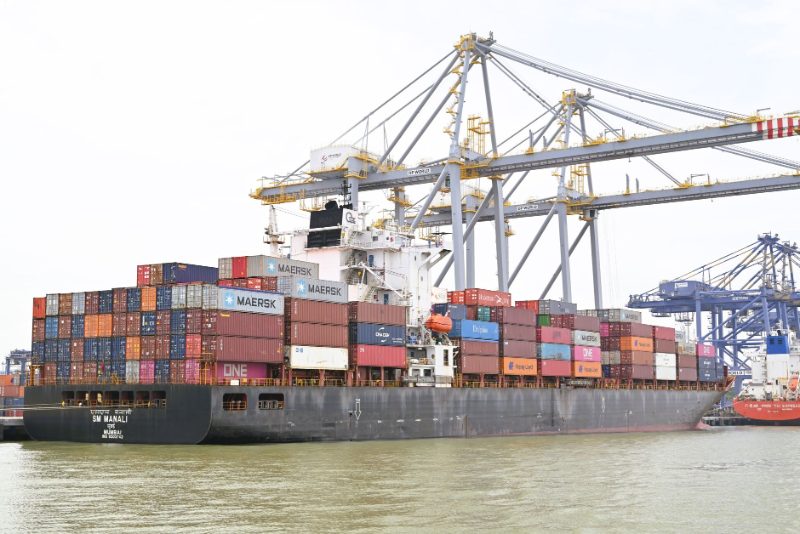
Major ocean carriers are tripling booking cancellation penalties on India export cargo, with Hapag-Lloyd raising its fee from $100 to $300 per container for bookings cancelled within 14 days of vessel departure or rolled within 10 days. Maersk, MSC, Cosco Shipping and Ocean Network Express are moving in the same direction, lifting per-container penalties from the $50-$100 range to $100-$200, with the new terms taking effect July 22 for most trades and August 7 for US-bound cargo.
Maersk and Hapag-Lloyd have also raised overweight surcharges on India export containers to $500 per TEU for cargo exceeding weight thresholds, up from $200 previously. The tightening reflects growing pressure on vessel capacity and equipment availability out of Indian ports, as carriers seek to deter speculative bookings that disrupt sailing schedules and reduce operational efficiency on India-Europe and India-North America corridors.
How Will Higher Booking Penalties Affect Indian Exporters?
Exporters of low-value containerised freight — stone, ceramic tile and agricultural products among them — are already suspending or downsizing bookings as the tripled cancellation fees make speculative or flexible booking strategies uneconomical. For a mid-sized exporter shipping dozens of containers a month, a jump from $100 to $300 per cancelled or rolled booking can add tens of thousands of dollars in unplanned costs if shipment schedules shift, which is common in India’s fragmented port and trucking logistics chain.
What Do Freight Forwarders and Exporter Bodies Say?
Industry bodies have previously flagged concerns over foreign shipping lines using force majeure and penalty clauses to their advantage during periods of tight vessel capacity, arguing Indian exporters have limited bargaining power against a small number of dominant global carriers. Logistics analysts note the timing coincides with a broader India ocean freight outlook of “managed volatility” in 2026, meaning exporters should expect continued rate and surcharge unpredictability rather than a one-off adjustment.
Market and Trade Reaction
Freight forwarders serving India’s export corridors report clients accelerating cargo consolidation to avoid rebooking, while some low-margin commodity exporters are shifting toward longer booking lead times to sidestep the new cancellation windows entirely. Ports along India’s western coast handling Europe and North America-bound freight are the most exposed, given the July 22 and August 7 effective dates apply directly to those trade lanes.
What Happens Next?
The new penalty structure takes effect July 22, 2026 for most export trades and August 7, 2026 for US-bound cargo, giving exporters a narrow window to adjust booking practices. Exporter associations are expected to press carriers and the Directorate General of Shipping for clearer penalty disclosure rules, while businesses in penalty-exposed sectors should build the higher cancellation and overweight costs into Q3 FY27 logistics budgets now.
Frequently Asked Questions
How much have India export booking cancellation fees increased?
Hapag-Lloyd has tripled its fee from $100 to $300 per container for India export bookings cancelled within 14 days of departure, with other major carriers raising penalties from the $50-$100 range to $100-$200.
When do the new shipping penalties take effect?
The new booking and cancellation penalty terms take effect July 22, 2026 for most India export trades, and August 7, 2026 specifically for cargo bound for the United States.
Which exporters are most affected by the penalty hikes?
Exporters of low-value containerised goods such as stone, ceramic tile and agricultural products are most exposed, as the higher cancellation and overweight surcharges erode already thin margins on price-sensitive shipments.











Leave a comment