

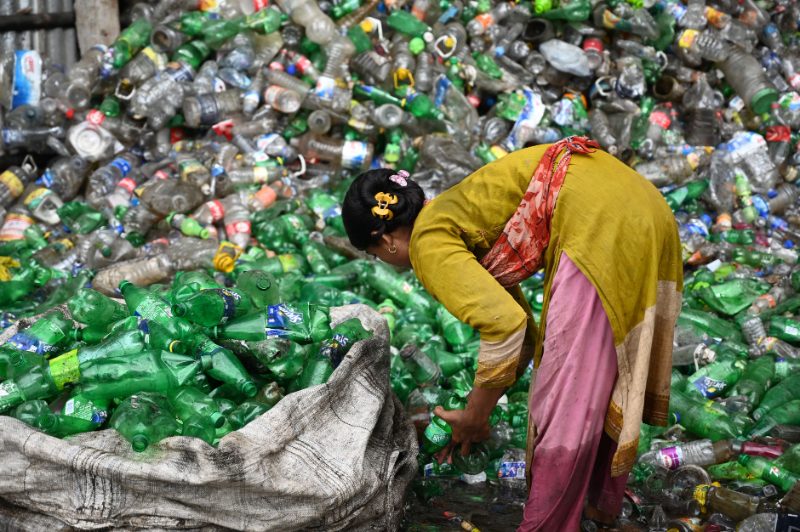
India’s Plastic Waste Management Amendment Rules 2026 now require brands and producers to use a minimum of 40% recycled content in plastic packaging from April 1, 2026—a sweeping policy shift that is forcing the country’s $47 billion plastics industry to overhaul supply chains. The plastic waste rules 2026 also mandate Extended Producer Responsibility (EPR) compliance, making it compulsory for businesses to register on the Central Pollution Control Board (CPCB) portal and meet annual recycling targets or face financial penalties.
The Ministry of Environment, Forest and Climate Change notified the amendment in early 2026, revising the Plastic Waste Management Rules, 2016. The new framework creates a legally binding circularity obligation for the first time in India’s plastic packaging sector, affecting FMCG companies, e-commerce players, food processors, and packaging manufacturers across the country.
What Do India’s Plastic Waste Management Amendment Rules 2026 Require?
The plastic waste rules 2026 establish a tiered recycled content requirement for rigid plastic packaging (Category I): 30% recycled content for FY25–26, rising to 40% by April 2026 and reaching 60% by FY28–29. For flexible packaging, separate targets apply. Companies that fail to meet their annual recycling targets can carry forward the deficit for up to three subsequent years, provided they clear at least one-third of the shortfall annually—a compliance flexibility clause that the government inserted after intense industry lobbying. EPR compliance is no longer optional: all producers, importers, and brand owners (PIBOs) must register on the CPCB EPR portal, set annual plastic waste collection and recycling targets, and report their plastic footprint annually. Non-compliance attracts Environmental Compensation charges that escalate with the size of the gap.
How Will the 40% Recycled Content Mandate Impact India’s Plastics Industry?
The mandate creates significant demand for recycled PET (rPET) and high-density polyethylene (HDPE) recyclate, sectors that were historically fragmented and informal in India. The Food Safety and Standards Authority of India (FSSAI) has authorised 17 recycled PET plants with a combined annual capacity of 3 lakh tonnes (300,000 metric tonnes), which analysts say meets only a fraction of the demand the new rules will generate. Reliance Industries, India’s largest petrochemical company, is expanding its PET recycling capacity at Jamnagar, Gujarat as part of a broader circular economy initiative. The plastics industry, currently valued at $47.04 billion in 2026, faces an estimated Rs. 8,000–12,000 crore investment requirement to build compliant recycling infrastructure by 2028, according to the Chemicals and Petrochemicals Manufacturers Association (CPMA).
Market Reaction and Industry Response
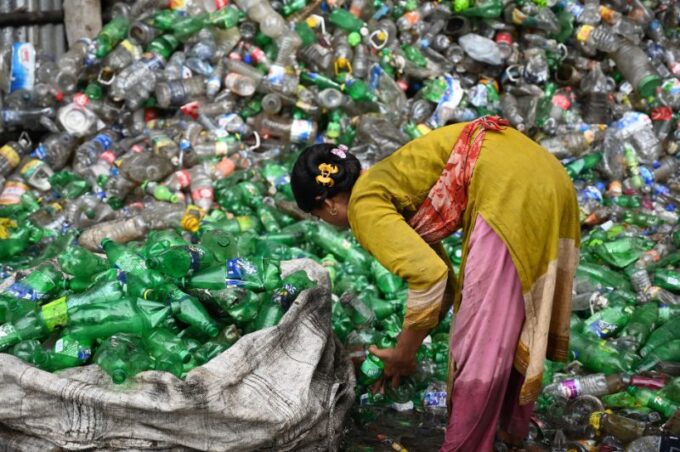
The Indian Plastics Federation has welcomed the clarity the amendment provides but flagged implementation gaps: the formal recycled plastics supply chain currently covers only 35–40% of the total plastic waste generated in India, with the remainder processed by an informal sector of approximately 3,00,000 waste pickers and small recyclers. Industry associations are seeking government support for formalising the informal recycling sector and providing capital subsidies for EPR-compliant recycling plants. E-commerce giants including Flipkart and Amazon India have started sourcing rPET from certified suppliers, and FMCG majors like Hindustan Unilever and Nestlé India have published commitments to achieve 50% recycled content in primary plastic packaging by 2027.
What Happens Next Under India’s Plastic Waste Rules?
The CPCB will conduct its first large-scale compliance audit of PIBOs in September 2026, covering FY25–26 performance. Companies that fail to demonstrate the 30% recycled content threshold for FY25–26 will face Environmental Compensation notices by November 2026. The government is also expected to release the Plastic Waste Management Rules 2026 guidelines for flexible packaging in Q3 2026, completing the regulatory framework. Industry watchers expect the rules to significantly accelerate formal investment into India’s nascent plastic recycling sector, with the market for recycled plastics projected to grow at 18–22% CAGR through 2030.
Frequently Asked Questions
What is the recycled content requirement under India’s Plastic Waste Management Rules 2026?
From April 1, 2026, brands and producers must use at least 40% recycled content in rigid plastic packaging. The requirement rises to 60% by FY28–29. Companies that miss targets can carry forward deficits for up to three years, clearing at least one-third annually to avoid Environmental Compensation penalties.
What is EPR compliance under India’s plastic waste rules?
Extended Producer Responsibility (EPR) requires all producers, importers, and brand owners handling plastic packaging to register on the CPCB EPR portal, set and meet annual collection and recycling targets, and report their plastic footprint. EPR credit trading is permitted, allowing companies to purchase credits from certified recyclers to offset shortfalls.
How much recycled PET capacity does India currently have?
FSSAI has authorised 17 recycled PET plants in India with a combined annual processing capacity of approximately 3 lakh tonnes (300,000 metric tonnes). This is insufficient to meet the demand the 40% recycled content mandate will generate, creating significant investment opportunities in the plastic recycling sector through 2028.










Leave a comment