

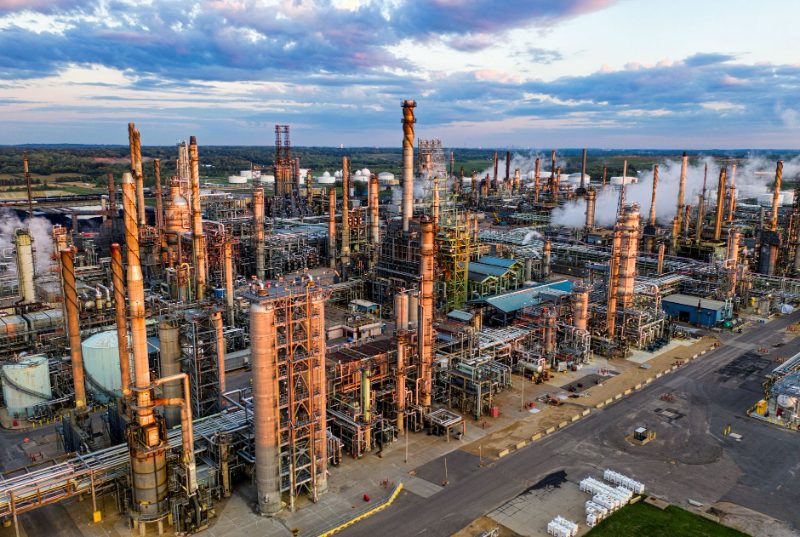
India’s temporary waiver on import duty for critical petrochemical products expired on July 15, 2026, reinstating a 7.5% basic customs duty on around 40 raw materials including PVC, methanol and PTA. The move restores the government’s standard tariff protection for domestic petrochemical producers after more than three months of relief for downstream manufacturers.
The nil-duty window was first introduced on April 2, 2026, as a temporary and targeted measure to help plastics, pharmaceutical and textile manufacturers manage tight raw material supply during the West Asia crisis. It was originally due to lapse on June 30 but the Finance Ministry extended it by 15 days, to July 15, to keep supply chains stable a little longer before the exemption was allowed to end.
Why Did India Let the Petrochemical Import Duty Waiver Expire?
The waiver was designed as a short-term supply-stability tool, not a permanent policy shift. With global petrochemical shipping routes normalising and West Asia-linked disruptions easing through June and early July, the government judged that continued duty-free imports risked undercutting Indian producers of PVC, methanol and purified terephthalic acid (PTA) who compete directly with cheaper imported material. Reinstating the 7.5% basic customs duty on the roughly 40 covered products puts pricing back on a more level footing for domestic petrochemical manufacturers, many of whom had flagged margin pressure while the waiver was in force.
What Does This Mean for India’s Plastics, Pharma and Textile Sectors?
Manufacturers that rely on imported PVC, methanol and PTA as feedstock will now pay more for foreign material, a change that lands directly on plastics processors, packaging converters, pharmaceutical intermediate producers and polyester-linked textile units. Industry groups had lobbied for a longer extension, arguing that domestic petrochemical capacity has not yet caught up with demand growth in PVC (India’s annual demand is roughly 4 million tonnes against about 1.6 million tonnes of local production). With the 7.5% duty back in place, downstream buyers are expected to either absorb higher input costs or pass them through to end customers in pipes, packaging films and synthetic fibres.
Market Reaction and Industry Response
Domestic petrochemical producers, who had publicly pushed back against the waiver’s extension, welcomed the reinstatement as a return to a level playing field. Downstream industry bodies representing plastics processors and textile manufacturers have renewed calls for faster capacity expansion at home, pointing to upcoming projects such as Reliance Industries’ PVC capacity build-out and Adani’s planned entry into PVC manufacturing at Mundra as the more durable fix for India’s petrochemical supply gap. Traders who had built up imported inventory during the waiver period are now working through those stocks before the higher landed cost applies to fresh consignments.
What Happens Next?
With the exemption now lapsed, attention shifts to whether the government revisits targeted relief if global feedstock prices spike again, and how quickly Reliance’s and Adani’s expanded PVC capacities come online through 2027-28 to reduce reliance on imports. Industry watchers expect the Finance Ministry to review the petrochemical duty structure again around the next Union Budget, particularly if downstream manufacturers report sustained cost pressure in the coming quarters.
Frequently Asked Questions
What is the new customs duty on petrochemical imports in India?
As of July 15, 2026, a 7.5% basic customs duty applies to around 40 previously duty-exempt petrochemical products, including PVC, methanol and PTA, after the government’s temporary waiver expired.
Why was the petrochemical import duty waived in the first place?
The waiver was introduced on April 2, 2026, as a temporary measure to help stabilise raw material supply for plastics, pharmaceutical and textile manufacturers during disruptions linked to the West Asia crisis.
Which industries are most affected by the duty reinstatement?
Plastics processors, packaging converters, pharmaceutical intermediate makers and polyester-linked textile manufacturers that depend on imported PVC, methanol or PTA will face higher input costs under the restored 7.5% duty.









Leave a comment