

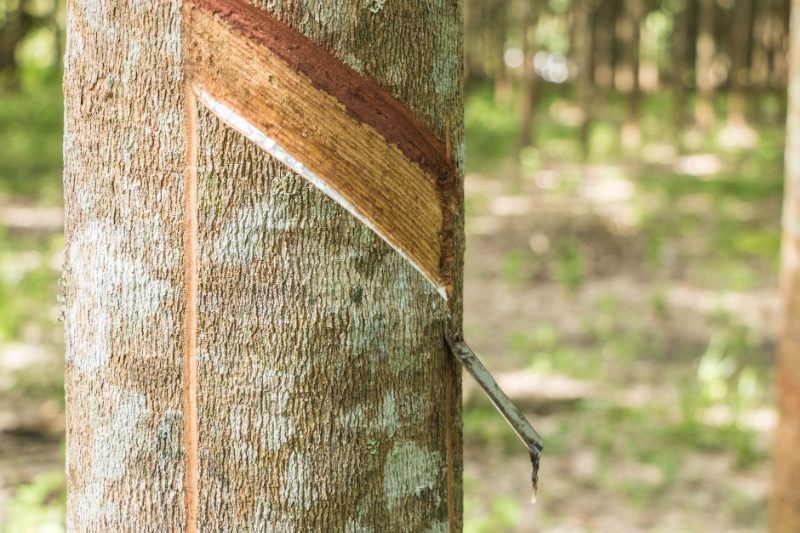
Natural rubber prices fell below 210 US cents per kilogram in early July 2026, their lowest level in nearly two months, as weakening Chinese automotive demand and improving global supply prospects combined to pressure the market. India’s natural rubber price 2026 trajectory has turned volatile, with domestic RSS4 grade prices swinging from Rs. 23,700 per 100 kg in April to Rs. 25,350 per 100 kg in May 2026, before retreating on global headwinds.
The ANRPC (Association of Natural Rubber Producing Countries) projects global natural rubber production to rise 2.4% to 15.34 million tonnes in 2026, while global consumption is forecast at 16.03 million tonnes—leaving a structural deficit of 1.08 million tonnes that has historically underpinned prices. However, near-term sentiment has turned bearish as China’s electric vehicle (EV) sector, a key driver of rubber demand for tyres, faces slowing growth in the second quarter of 2026.
Why Are Natural Rubber Prices Falling in July 2026?
Two factors are driving the July 2026 price retreat. First, Chinese auto demand has softened materially: new vehicle sales in China grew just 3.1% year-on-year in June 2026, a sharp deceleration from the 8.5% growth seen in Q1. Since China accounts for approximately 40% of global natural rubber consumption, any slowdown in its automotive sector has an outsized impact on global prices. Second, improved supply prospects from Thailand, Indonesia, and Vietnam—which together account for over 65% of global production—have eased tightness that drove prices above 230 cents/kg in May. Improved rainfall in key growing regions has lifted latex yield expectations for Q3 2026.
What Does the Price Drop Mean for India’s Rubber Industry?
India’s natural rubber industry occupies a unique position: the country is both a significant producer, concentrated in Kerala and the northeastern states, and a major net importer, with the gap between domestic production of approximately 8.5 lakh tonnes and consumption of 14+ lakh tonnes filled by imports primarily from Thailand and Indonesia. Falling global prices are a mixed blessing for India. They provide cost relief to the country’s 35 tyre manufacturers—including Apollo Tyres, MRF, CEAT, and JK Tyre—which collectively consume over 70% of India’s natural rubber. However, they depress farm-gate prices for Kerala’s 11 lakh small-scale rubber farmers, many of whom are already operating below the Rubber Board’s recommended minimum support price of Rs. 250 per kg. The Rubber Board of India has projected domestic natural rubber demand to grow 3.6% in 2026, driven by the automotive sector’s expansion, but the price correction is adding stress to farmer incomes ahead of the critical July–August monsoon-induced tapping suspension.
Market Reaction and Industry Response
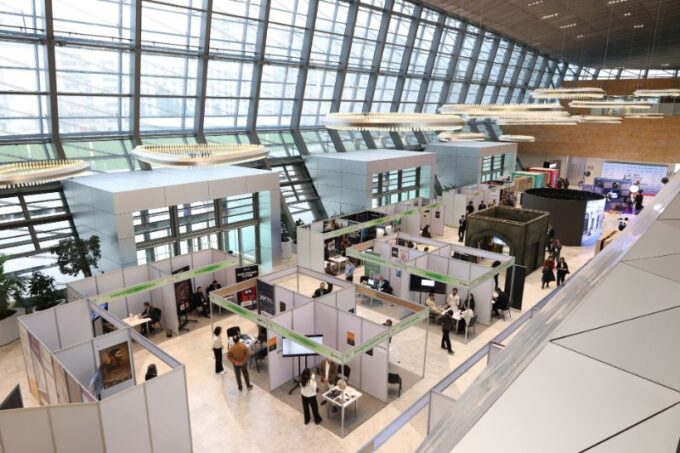
Apollo Tyres and MRF have seen their stock prices outperform the broader market in July 2026 as lower rubber costs are expected to support raw material cost savings of 3–5% in Q2 FY27. However, industry associations representing Kerala rubber growers have urged the Union government to strengthen the Price Stabilisation Fund (PSF) and consider a higher procurement price to prevent farmer distress. The TechnoBiz Rubber Week 2026 conference, scheduled for July 29–31 at RG Royal Hotel, Bengaluru, is expected to address sustainable rubber sourcing, auto-sector demand forecasts, and the impact of synthetic rubber substitution on natural rubber’s long-term price outlook.
What Happens Next for Natural Rubber Prices in India?
Tapping activity in India’s major rubber-growing states typically resumes post-monsoon in September–October, which will provide clearer signals on domestic supply. Global prices are expected to find support around the 200–205 cents/kg band, as the structural deficit of 1.08 million tonnes limits further downside. Indian tyre manufacturers will report Q2 FY27 earnings in October 2026, at which point the margin benefit from lower rubber costs should be visible. The long-term outlook for rubber demand in India remains positive, with the automotive sector expected to drive 3.6% annual consumption growth through 2030.
Frequently Asked Questions
What is the current natural rubber price in India in July 2026?
Natural rubber (RSS4 grade) was priced at Rs. 25,350 per 100 kg in May 2026, up from Rs. 23,700 in April, but global futures have since retreated below 210 US cents per kilogram in early July 2026 due to China demand concerns and improved supply from Southeast Asia.
Why is natural rubber demand growing in India?
India’s natural rubber demand is projected to grow 3.6% in 2026, driven primarily by the automotive sector’s expansion, particularly the rapid growth in two-wheeler and commercial vehicle sales. The tyre industry accounts for over 70% of India’s rubber consumption, with Apollo Tyres, MRF, CEAT, and JK Tyre being the largest buyers.
What is the global natural rubber supply-demand balance for 2026?
Global natural rubber production is forecast at 15.34 million tonnes in 2026 (up 2.4%), while consumption is projected at 16.03 million tonnes, resulting in a structural deficit of approximately 1.08 million tonnes. This deficit provides a fundamental price floor despite near-term demand concerns from China’s automotive market.









Leave a comment