

The fragile ceasefire between the United States and Iran has collapsed, with both sides launching fresh attacks after President Trump declared on July 8 that the truce was “over.” The US-Iran ceasefire collapse has triggered renewed strikes across the Gulf, disrupted the Strait of Hormuz, and sent global oil markets into another bout of volatility just weeks after the two nations had signed the Islamabad Memorandum to end their conflict.
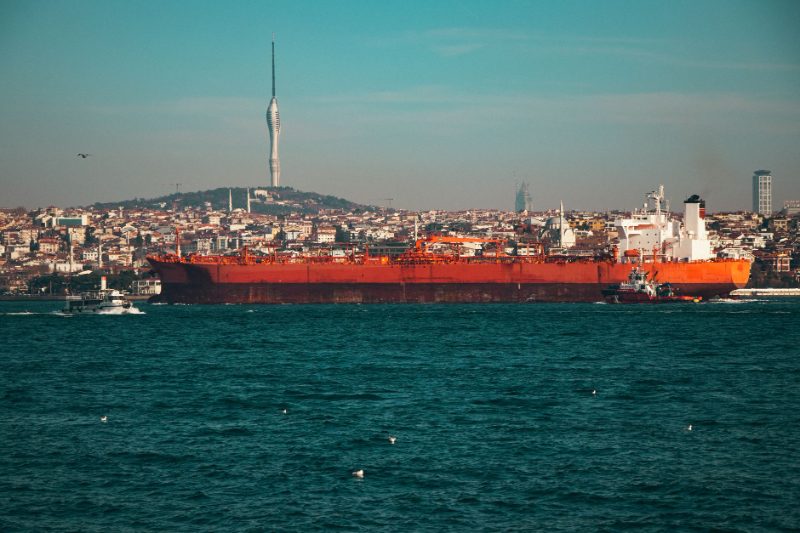
The escalation began on July 6 when Iran’s Islamic Revolutionary Guard Corps struck three commercial vessels, including a Qatari liquefied natural gas tanker, off the coast of Oman. The US responded the following day with retaliatory strikes on Iranian military targets, prompting Tehran to launch missile and drone attacks on Gulf military bases hosting US forces, while the IRGC moved to restrict transit through the Strait of Hormuz, calling it interference by the US in the waterway’s management.
How Is the Renewed Conflict Affecting Global Oil Markets?
Oil prices have spiked and markets have plunged following Iran’s move to disrupt the Strait of Hormuz, which handles a large share of the world’s seaborne crude oil trade and is widely regarded as the single biggest flashpoint in the ongoing conflict. Brent crude, which had spiked above $126 a barrel during the initial phase of the West Asia crisis before settling into a $90-$100 range, has climbed back above $85-90 a barrel as the ceasefire unravelled, with further disruption risk if Hormuz transit is materially curtailed.
What Do Analysts Say About the Islamabad Memorandum’s Collapse?
The June 17 Islamabad Memorandum, signed by the presidents of the US and Iran, had established a 60-day window to negotiate final settlement terms, but both sides have since accused each other of violating the agreement. Conflict analysts note that the speed of the ceasefire’s collapse, barely three weeks after signing, underscores how fragile the underlying diplomatic framework was and raises doubts about whether a durable settlement can be reached within the original 60-day timeline.
Market and Trade Reaction
Global equity markets have shown renewed risk-off sentiment as the conflict reignites, with energy stocks rallying on higher crude prices while transport, aviation, and logistics stocks face pressure from rising fuel costs. In India, the rupee has slipped near an eight-week low against the dollar as crude prices climb, while oil marketing companies face renewed pressure on margins after already absorbing an estimated ₹74,781 crore in losses during the conflict’s earlier phase.
What Happens Next?
Markets and governments will watch closely whether the Strait of Hormuz disruption becomes a sustained blockade or remains a limited, symbolic restriction, given its outsized importance to global energy trade. Diplomatic efforts to revive talks under the Islamabad Memorandum framework, along with any further US or Iranian military action, will determine whether oil prices stabilize or continue climbing in the coming weeks.
Frequently Asked Questions
Why did the US-Iran ceasefire collapse?
The ceasefire unravelled after Iran’s IRGC struck commercial vessels off Oman on July 6, prompting US retaliatory strikes and a cycle of missile and drone attacks that led President Trump to declare the truce over on July 8.
How has the conflict affected the Strait of Hormuz?
Iran’s Revolutionary Guard Corps has moved to restrict transit through the Strait of Hormuz, a critical global oil chokepoint, citing US interference in the waterway’s management, which has driven oil prices higher.
How does the renewed US-Iran conflict affect India?
Rising crude oil prices tied to the conflict have pushed the Indian rupee toward an eight-week low and added to inflation pressure, while Indian oil marketing companies face renewed losses from holding retail fuel prices steady.










Leave a comment