

Maharashtra is preparing to roll out a dedicated Chemical Sector Policy by the end of October 2026 and is examining plans for chemical parks spanning 2,500 to 5,000 acres in Palghar, Raigad and Ratnagiri, as the state moves to attract fresh investment and push its chemical industry up the value chain. The announcement was made at ASSOCHAM MahaChem 2026 in Mumbai on September 12, 2026.
The state is also planning a ₹1,000-crore Maharashtra Industries and Investment Fund to back research and development, technology readiness and innovation, senior government officials said, as Maharashtra positions itself to compete for the next wave of global chemical manufacturing investment.
Why Is Maharashtra Launching a Dedicated Chemical Sector Policy?
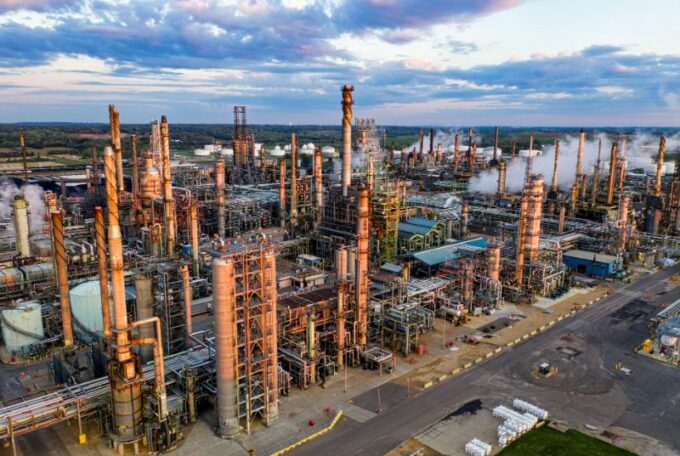
P Anbalagan, Principal Secretary of the Industries, Investment and Services Department, said the state is working to build a more integrated ecosystem for chemical manufacturing through targeted policy support, new industrial parks and technology-led growth. “Maharashtra is working towards a dedicated Chemical Sector Policy and we expect to have it in place by the end of October,” Anbalagan said, adding that it will address sector-specific requirements and complement initiatives in bioplastics, biotechnology and biomanufacturing. The policy is aimed at strengthening Maharashtra’s already large chemical manufacturing base, which the ASSOCHAM-EY report pegs at around $22 billion, spread across more than 3,600 factories and 13 designated chemical zones.
What Does This Mean for India’s Chemical Industry?
Maharashtra accounts for around 19 percent of India’s chemical sector gross value added and 17 percent of the country’s chemical exports, contributing 13.5 percent of the state’s industrial output and employing roughly 3 lakh people, according to the ASSOCHAM-EY report released at MahaChem 2026. The next growth phase for the sector, the report notes, will be driven less by raw capacity and more by higher-value products, with opportunities identified in specialty chemicals, battery materials, electronic chemicals, advanced polymers, specialty coatings, pharmaceutical and agrochemical intermediates, and bioplastics.
Market Reaction and Industry Response
Praveen Pardeshi, Chief Economic Advisor to the Chief Minister and CEO of the Maharashtra Institution for Transformation, said the chemical and pharmaceutical sectors will be critical to the state’s ambition of becoming a $1 trillion economy, emphasising that competitive utility costs, flexible energy access and sustainable water management will be central to strengthening industrial competitiveness. Chief Minister Devendra Fadnavis said the state remains focused on attracting investment through faster clearances and the MAITRI single-window platform, while Milind Hardikar, Chair of ASSOCHAM Maharashtra State Council, said the industry is at “a critical inflection point” requiring a shift toward specialty chemicals and sustainable green chemistry.
What Happens Next?
Industry and government stakeholders will be watching for the formal release of Maharashtra’s Chemical Sector Policy by the end of October 2026, along with further details on the proposed 2,500-5,000-acre chemical parks in Palghar, Raigad and Ratnagiri and the ₹1,000-crore investment fund. The state’s ability to deliver faster regulatory clearances through the MAITRI platform will be a key factor in determining whether it can convert policy intent into actual investment commitments from specialty chemical manufacturers.
Frequently Asked Questions
When will Maharashtra’s Chemical Sector Policy be announced?
Maharashtra expects to roll out its dedicated Chemical Sector Policy by the end of October 2026, according to Principal Secretary P Anbalagan speaking at MahaChem 2026.
Where are Maharashtra’s proposed new chemical parks located?
The state is examining locations in Palghar, Raigad and Ratnagiri for new chemical parks spanning 2,500 to 5,000 acres to attract fresh manufacturing investment.
How big is Maharashtra’s existing chemical sector?
Maharashtra’s chemical sector is valued at around $22 billion, spans more than 3,600 factories across 13 designated chemical zones, and accounts for about 19 percent of India’s chemical sector GVA.







Leave a comment