

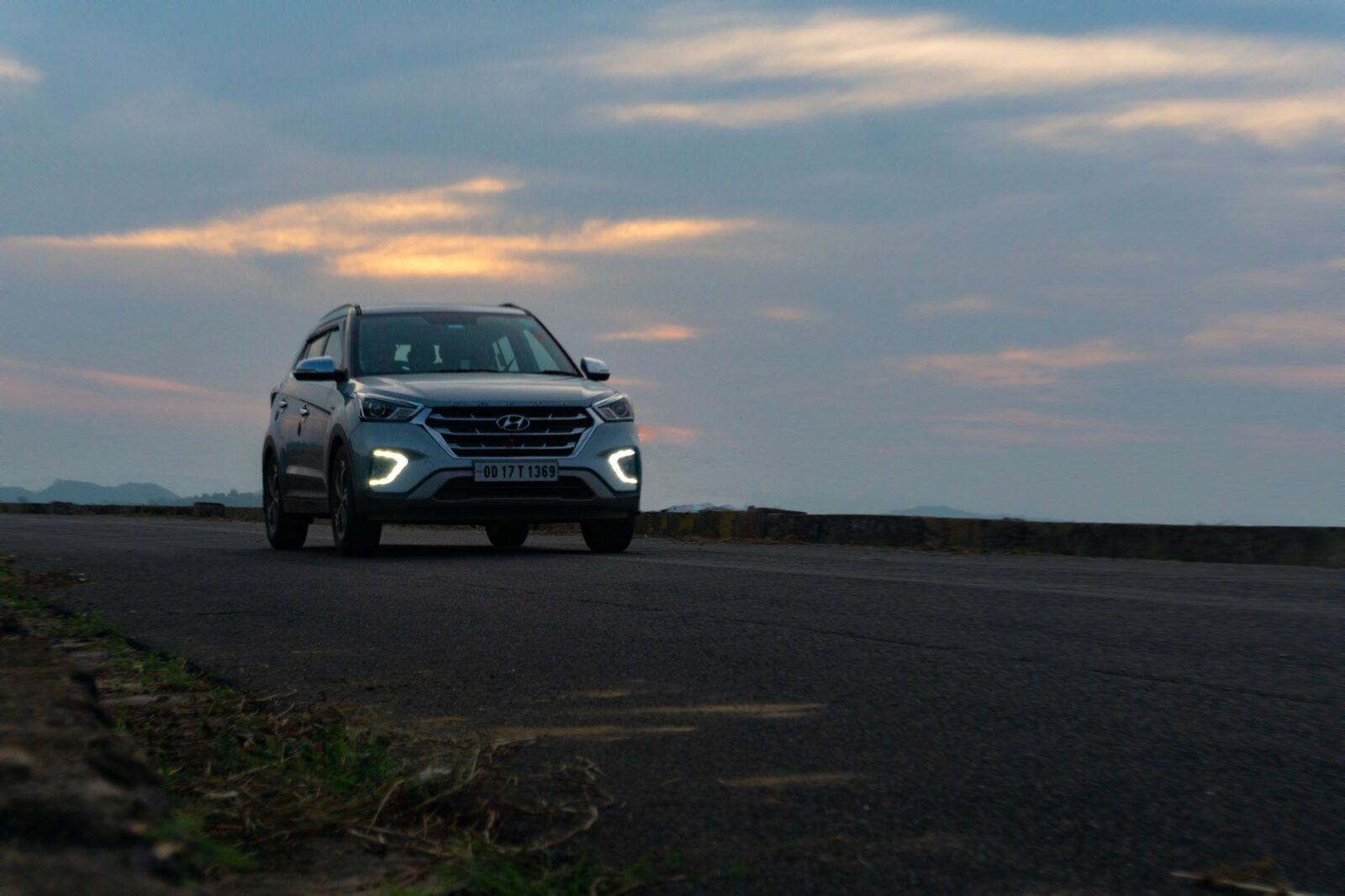
Nissan is set to make a significant push into India’s hotly contested mid-size SUV segment with the official launch of the Nissan Tekton on July 9, 2026. The company’s latest offering arrives at a time when the Indian automotive market is experiencing one of its most competitive phases in recent memory, with established players like Hyundai Creta, Maruti Grand Vitara, and Kia Seltos battling for supremacy while new entrants continuously raise the stakes on features and value.
The Tekton comes loaded with a feature set designed to make an immediate impression on value-conscious Indian buyers. The exterior adopts a bold, road-presence-first design philosophy, featuring a redesigned grille flanked by LED headlamps, large-diameter alloy wheels, roof rails, and a distinctive LED light bar that runs across the rear. A shark-fin antenna and faux skid plates complete an appearance that positions the Tekton firmly in the aspirational SUV space. These are not mere styling exercises — in a market where visual boldness drives showroom traffic, Nissan has clearly done its homework on what Indian consumers respond to.
The timing of the Tekton launch is particularly strategic. India’s overall passenger vehicle market has remained resilient in 2026 despite global headwinds, with the SUV segment continuing to outpace sedans and hatchbacks in both volume and growth rate. The sub-Rs 20 lakh SUV category remains the most intensely fought battleground, where brand perception, dealer network depth, and after-sales service quality are as decisive as the vehicle specifications themselves. Nissan’s challenge is rebuilding the brand’s share of mind in India after a period of relative quietude — the Tekton is clearly the spearhead of that effort.
Industry observers note that Nissan’s partnership and distribution infrastructure in India, bolstered by its alliance with Renault, provides a reasonable foundation for the Tekton to achieve meaningful reach across Tier 1 and Tier 2 cities. The simultaneous facelift of the Renault Kwid, planned for launch on July 3, suggests the alliance is executing a coordinated market push to maximise dealer energy and media attention across the month. This kind of product cadence is important in the Indian market, where consumer attention cycles rapidly between new launches.
The Tekton’s success will ultimately depend on its pricing. The Rs 12–18 lakh range is where buyers have the most options and the least loyalty, making aggressive yet sustainable pricing critical for generating the first-month volume that creates the vital momentum of early success. If Nissan prices the Tekton within Rs 50,000 of its key competitors while delivering on its feature promise, it has a genuine opportunity to reset the conversation around the brand in India’s most important automotive segment. The July 9 price reveal will be the moment of truth.










Leave a comment