

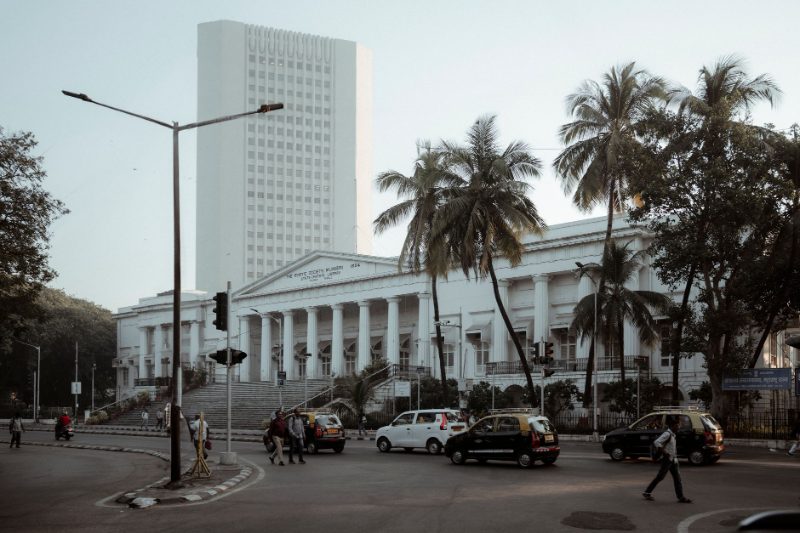
The Reserve Bank of India has completed a net government bond sale of ₹1 trillion, the first time it has done so in a decade, as it drains surplus liquidity from the banking system and defends the rupee. The previous record was ₹900 billion in FY2018, in the aftermath of demonetisation.
Market participants expect the total to double by December, with a further ₹1 trillion to ₹1.5 trillion of sales anticipated during October and November. The India 10-year benchmark yield has risen to 7.1848%, its highest since April 2024.
Why Is the RBI Selling ₹1 Trillion of Bonds?
Reports point to three reasons. The central bank is withdrawing excess liquidity created by dollar inflows through a special lending window. It is also protecting foreign exchange reserves and supporting the rupee, which has slipped to about 96 per dollar as crude oil climbs. And overnight rates had fallen below the RBI’s policy rate, which the sales help correct.
Bond sales reduce the cash available to banks, pushing short-term rates back toward the policy rate and tightening financial conditions without an immediate change in the repo rate.
How Are Bond Yields and Government Borrowing Reacting?
Government bond yields have risen across the curve. The finance ministry has cut the supply of three-year and five-year securities in the second half of the fiscal year and is raising more through 15-year, 30-year and 40-year bonds, a shift that signals alignment with tighter monetary policy. Traders expect the RBI to lean toward shorter-tenure borrowing as liquidity stays elevated, with short-term securities forming about 35% of borrowing.
Term premiums are expected to stay high because of RBI liquidity drainage and heavy state government borrowing.
Market and Trade Reaction
The ICBC treasury head said he expects another ₹1 trillion of open market operation (OMO) sales, or a cash reserve ratio (CRR) hike, consistent with tighter policy in coming weeks. Equities fell sharply on September 28, with the Sensex down 1,124 points, while the rupee weakened to around 95.98 per dollar with state-run banks selling dollars.
Higher yields raise borrowing costs for corporates and lenders, and can weigh on bond portfolios held by banks and insurers.
What Happens Next?
Watch for further OMO sales in October and November, any CRR announcement, the RBI’s next monetary policy review, and the path of crude oil and the rupee. If oil stays near $108, the central bank may keep draining liquidity.
Frequently Asked Questions
What is the RBI net bond sale of ₹1 trillion?
It is the total of government securities the RBI has sold minus purchases, a way to absorb surplus liquidity from banks. It is the first time it has reached ₹1 trillion in a decade.
Why are bond yields rising in India?
Yields are rising because of RBI liquidity drainage, higher government and state borrowing, and global yield increases. The 10-year yield hit 7.1848%.
What could the RBI do next?
Analysts expect more OMO sales of ₹1 trillion to ₹1.5 trillion or a possible CRR hike to tighten liquidity further.












Leave a comment