

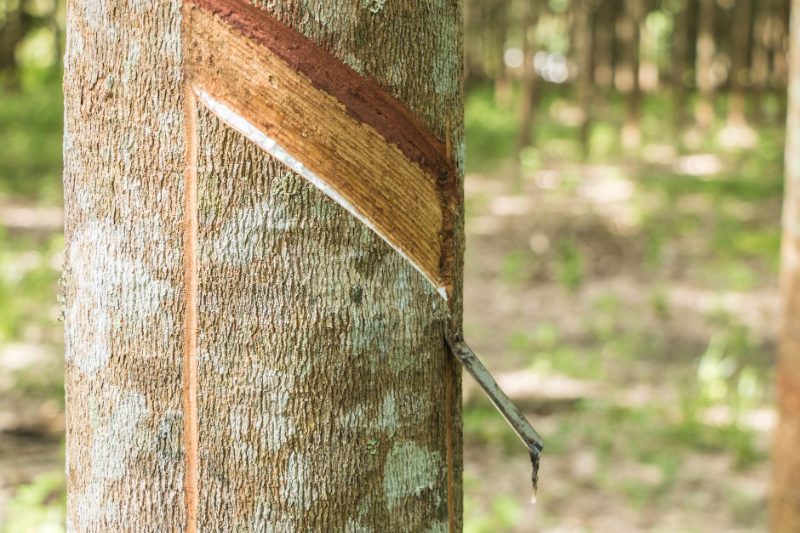
The rubber price in India hit a new record on October 13, 2026, with domestic RSS-4 sheet rubber trading at ₹284.50 per kg in the Kottayam and Kochi markets, according to Onmanorama. Strong demand from tyre manufacturers and other industrial buyers, combined with a supply shortage, drove the rise.
The new high beats the previous record of ₹284 per kg set on August 1, which held unchanged for four days. Domestic rubber now trades above the international RSS-4 rate of ₹282.16 per kg, a gap of ₹2.34 per kg. Domestic and global prices usually move together, so the premium stands out.
What Is Driving the Record Rubber Price in Kerala?
Onmanorama attributes the increase to “strong demand from tyre manufacturers and other industrial buyers amid a supply shortage.” Robust local demand and limited availability pushed the domestic price above the global benchmark. The report does not name any company, official or trade body, and does not give a breakdown of demand by buyer.
The supply concern is not new. In January 2026, the Automotive Tyre Manufacturers’ Association (ATMA) flagged a natural rubber shortage, with prices then near ₹200 per kg. ATMA chairman Arun Mammen said at the time that the industry was “deeply concerned about the present scarcity of natural rubber.” ATMA cited leaf fall disease and high temperatures in major growing regions as factors that reduced yields. Comparing that January level with today’s ₹284.50 per kg shows how far the price has climbed in under ten months.
Why Does the Domestic Premium Over Global Rates Matter?
When domestic rubber trades above the international price, Indian buyers pay more than overseas buyers for the same grade. The ₹2.34 per kg premium is small in absolute terms, but it signals that local demand is outrunning local supply. That is a different situation from a global price rally, where Indian prices simply follow world markets.
Tyre makers are the largest industrial users of natural rubber. Higher raw material costs can squeeze their margins, especially because tyre manufacturing runs continuously and cannot easily pause purchases. ATMA warned in January that prolonged shortages could raise production costs and disrupt production schedules and inventory planning.
What Does This Mean for the Rubber Industry?
For growers in Kerala, a record rate improves returns on each kilogram of RSS-4 sold. For buyers in tyres and other rubber products, it raises input costs at a time when they already face tight availability. The source report does not say how long the shortage may last or whether imports are expected to ease it.
Market Reaction and Industry Response
The Onmanorama report does not quote traders, tyre companies or the Rubber Board, and we found no immediate comment from industry bodies on the October 13 price. We also found no stock market reaction tied to this specific price move. Readers should treat this as a price report rather than an industry assessment.
What Happens Next?
Watch the daily RSS-4 quotes in Kottayam and Kochi to see whether the ₹284.50 level holds or the record moves higher again, as it did after the August 1 peak. The gap between domestic and international RSS-4 prices is the second indicator: a widening premium would point to deepening local shortage, while a narrowing gap would suggest supply is catching up. Any statement from ATMA or the Rubber Board on supply or imports would also shape expectations.
Frequently Asked Questions
What is the current rubber price in India?
On October 13, 2026, domestic RSS-4 rubber traded at ₹284.50 per kg in the Kottayam and Kochi markets, a record high, according to Onmanorama.
Why is the domestic rubber price higher than the international price?
Onmanorama says strong local demand from tyre makers and other industrial buyers, together with a supply shortage, pushed domestic RSS-4 to ₹284.50 per kg. The international RSS-4 rate was ₹282.16 per kg, ₹2.34 lower.
What was the previous record for rubber prices?
The previous record was ₹284 per kg on August 1, 2026, and it held unchanged for four days.











Leave a comment